
Trees
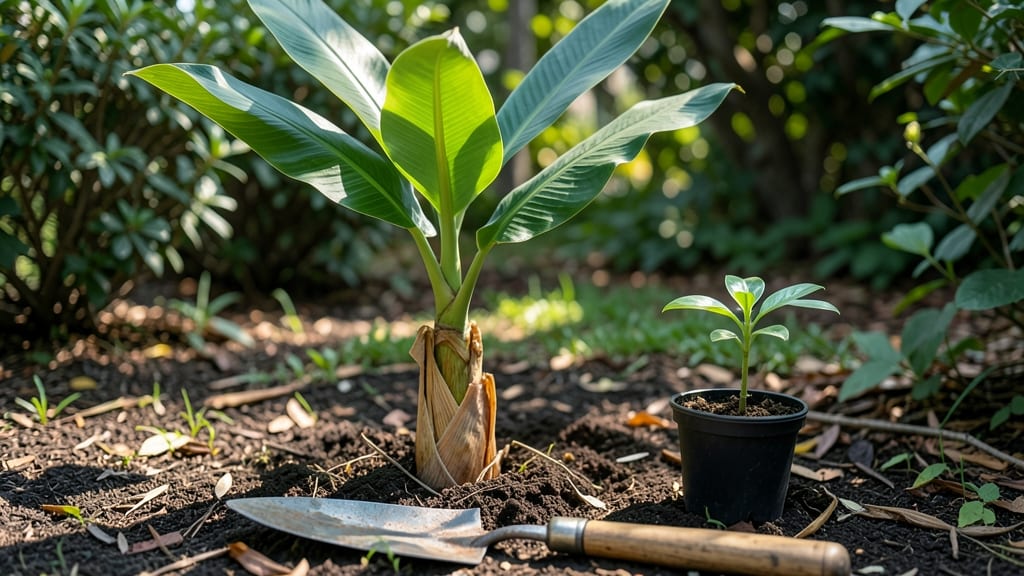
Planting banana trees in Florida at the right time means the difference between a fast-growing, fruit-heavy 🍌 tree and one that struggles to take off. Since frost isn’t a concern, the key is avoiding extreme heat or dry spells when roots establish.
If you’ve ever watched a banana tree wilt under summer’s scorching sun or rot from too much summer rain, you know timing matters. The best window is actually early spring—think February to April—when soil warms but humidity hasn’t peaked yet.
Florida’s zones 9a-11 let you plant year-round, but coastal areas and inland regions behave differently. South Florida’s heat arrives earlier, while North Florida’s drier springs demand extra moisture during transplanting.
Below, I’ll break down the exact months for your zone, how to prep soil for faster growth, and the one trick that cuts transplant shock in half—so you’re harvesting in under a year.
Best months to plant banana trees in Florida for fast growth
Florida’s warm climate makes it one of the best places to grow banana trees year-round, but timing still matters for fast growth and fruit production. Unlike northern states, you won’t worry about frost, but temperature shifts, rainfall patterns, and humidity levels create ideal planting windows.
Planting at the wrong time can lead to slow establishment, pest stress, or even root rot from overwatering during Florida’s wet seasons.
For maximum growth, focus on planting during Florida’s mild, moist seasons—spring and early summer—when soil temperatures stay warm and rainfall is consistent. Coastal areas benefit from ocean breezes that reduce heat stress, while inland regions need extra watering attention during summer’s intense sun.
Let’s break down the best months for each Florida microclimate to ensure your banana tree thrives from day one.
🌱 Comparison Table: Best Planting Months by Florida Region
Spring planting (February–April) is my top recommendation for most of Florida because it aligns with rising soil temperatures and increased rainfall.
In North Florida, for example, February’s average soil temp of 65°F is perfect for root establishment, while South Florida’s January–May window avoids the brutal summer heat that can stress young plants.
If you’re in Central Florida, consider a fall planting (September–October) to take advantage of hurricane-free conditions and cooler temps.
For coastal gardeners, March–June offers the best balance of humidity and breeze protection. The ocean’s moderating effect keeps soil from drying out too quickly, reducing your watering workload. In contrast, inland areas should prioritize February–April or September to avoid the intense summer sun that can bake exposed roots.
Pro tip: If planting in summer, choose overcast days or use shade cloth for the first 2 weeks to ease the transition.
One common mistake I see is planting banana trees during Florida’s peak summer months (June–August). While possible, the extreme heat and high UV index can cause leaf burn and slow root growth.
If you must plant in summer, opt for dwarf varieties like ‘Lady Finger’ or ‘Red Dwarf’, which tolerate heat better than standard types. Always water deeply at the base (not overhead) to protect leaves from sun scald.
Rainfall also plays a critical role. Florida’s wet season (June–October) brings frequent downpours, which can waterlog soil and suffocate roots if drainage is poor. If planting during this time, ensure your site has well-draining soil or amend clay-heavy areas with organic matter.
In dry spells, supplement with drip irrigation to maintain consistent moisture without overwatering.
To maximize growth, pair your planting timing with soil prep. Work in <
How Florida’s climate zones affect banana tree planting timing
Florida’s climate zones—primarily USDA Zone 9 in the northern half and Zone 10 in the southern half—create distinct conditions for banana tree planting. In Zone 9, cooler winter temperatures and slightly drier air demand earlier planting, while Zone 10’s year-round warmth allows more flexibility.
Understanding these differences ensures your banana tree establishes strong roots and thrives, producing fruit faster.
In Zone 9, the best 4-week planting window opens in late February to early March, when soil temperatures rise above 65°F and frost risk fades completely.
Meanwhile, Zone 10 gardeners can plant year-round, but spring (March-May) remains ideal to avoid summer’s extreme heat stress. These timing differences directly impact growth speed and fruit production.
| Zone | Best Planting Window | Soil Temp Requirement | Key Consideration |
|---|---|---|---|
| Zone 9 | Late February - Early March | 65°F+ | Avoid winter chill; wait for consistent warmth |
| Zone 10 | March - May (or year-round) | 70°F+ | Plant before summer’s peak heat (June-August) |
| Both Zones | Avoid June-August | N/A | Extreme heat slows root establishment |
For Zone 9, prioritize planting after the last cool snap (typically by March 15). Test soil temperature with a thermometer—65°F is the minimum for root growth.
In Zone 10, you can plant as early as January, but aim for March-April to align with natural rainfall patterns and reduce transplant shock.
Humidity also plays a critical role. Zone 9’s lower humidity means you’ll need to water more frequently after planting, while Zone 10’s higher humidity reduces watering needs but increases fungal risks. Always use well-draining soil mixed with compost to prevent root rot, regardless of zone.
Common mistakes include planting too early in Zone 9 (risking frost damage) or too late in Zone 10 (delaying fruiting).
Use this zone-specific checklist: ☑️ Test soil temperature before planting ☑️ Mulch heavily to retain moisture ☑️ Avoid overhead watering to prevent disease ☑️ Monitor for pests like banana aphids in humid areas
By aligning planting with your zone’s unique conditions, you’ll see faster growth and earlier fruiting. For example, trees planted in Zone 10’s ideal window can produce fruit in as little as 9 months, while Zone 9 plants may take 12 months.
Timing truly makes the difference! 🌱