
Plants
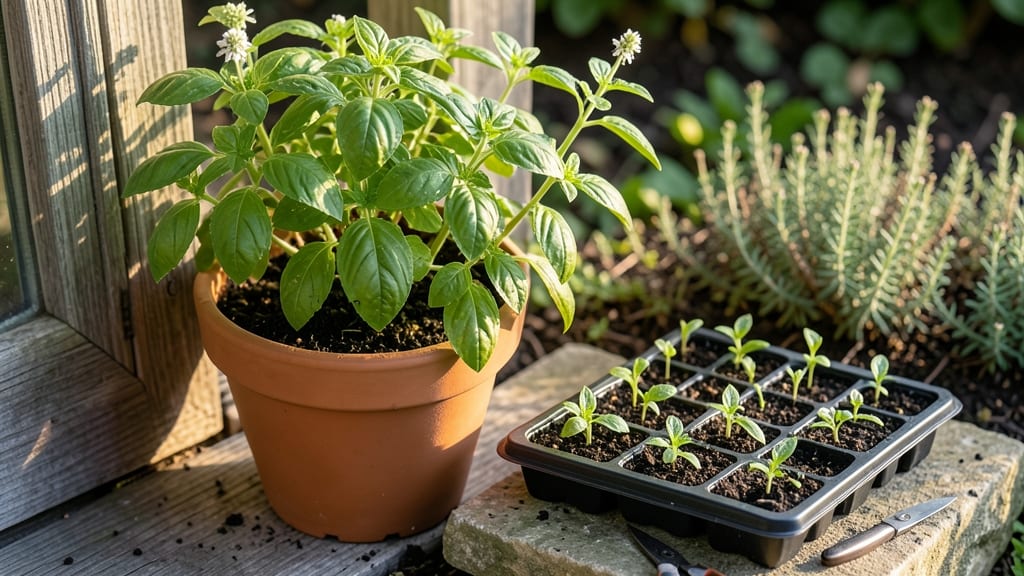
Planting basil in Virginia after the last frost—typically around April 15—sets the stage for a thriving herb garden 🌿.
Get it wrong, though, and you might end up with leggy, flavorless plants that struggle to survive the heat or cold. The key is matching your microclimate—whether you're in the Shenandoah Valley or the Piedmont—to the right timing for strong, aromatic basil all season.
In this guide, I’ll break down the best planting windows by region, whether to start seeds indoors or transplant, and how to extend your harvest well into fall—so you’re not left with sad, wilted leaves by summer’s end.
You’ll also discover the one common mistake that kills basil before it even gets going, plus tips for container gardening if space is tight. Let’s make this your best basil season yet!
Virginia’s microclimate zones: when to plant basil by region
Virginia’s diverse geography creates distinct microclimates that dramatically affect when you should plant basil. From the milder Coastal Plain to the cooler Blue Ridge Mountains, each region has unique last frost dates and growing windows.
Getting the timing right means the difference between lush, flavorful basil and leggy, bitter plants. Let’s break down the best planting windows for each Virginia zone to maximize your harvest.
Basil thrives in warm soil and consistent temperatures above 50°F. Planting too early risks cold damage, while waiting too long can lead to bolting or stunted growth. Virginia’s USDA zones 7a-8a mean you’ll need to adjust your schedule based on elevation and proximity to the coast.
Whether you’re in Norfolk’s humid climate or Roanoke’s mountain air, these guidelines will help you time your basil planting perfectly.
🌿 Pro Tip: Always check your local last frost date (typically mid-April in Coastal Virginia to late April in the mountains) before planting. Use a frost calendar from your county extension office for precise timing.
In the Coastal Plain, where humidity lingers longer, aim to plant basil by April 15 to avoid fungal diseases like downy mildew. The Piedmont region offers a slightly longer window, with April 20 being ideal—this area benefits from warmer days and drier soil, perfect for basil’s roots.
For mountain gardeners in the Blue Ridge, wait until May 1 to ensure soil warmth and nighttime temperatures stay above 55°F.
The Shenandoah Valley has the latest planting window due to its higher elevation and cooler nights. Planting after May 10 here reduces the risk of early frost damaging young seedlings.
If you’re in this region, consider container gardening to move pots indoors before first frost in November. This extends your growing season dramatically.
💡 Expert Tip: Use a soil thermometer to confirm temperatures before planting. Basil seeds won’t sprout until soil reaches 70°F, so don’t rush—wait for the perfect conditions to avoid poor germination.
No matter your Virginia zone, transplanting seedlings (rather than direct sowing) gives you more control over timing. Buy 6-inch seedlings from local nurseries once your region’s last frost date has passed.
Harden off seedlings for 5-7 days by gradually exposing them to outdoor conditions before planting. This reduces transplant shock and ensures stronger, healthier plants.
For container gardeners, you can push the limits slightly. Start seeds indoors 4-6 weeks before your region’s last frost date, then transplant outdoors after May 1 (Coastal) or June 1 (mountains).
Containers warm up faster in spring, giving you an earlier start than in-ground planting. Just ensure pots have drainage holes and use lightweight potting mix to prevent root rot.
Finally, remember that basil is an annual in Virginia, meaning it won’t survive winter. Plan to harvest and enjoy your
Direct sowing vs. transplanting basil: best methods for Virginia gardens
Deciding between direct sowing and transplanting basil in Virginia depends on your timeline and local climate. Both methods yield flavorful herbs, but each has distinct advantages for Virginia’s USDA zones 7a-8a. Let’s break down the best approach for your garden.
For direct sowing, wait until after the last frost date—typically mid-April to early May in Virginia—when soil temperatures reach at least 50°F. This method skips the transplanting process but requires patience for germination, which can take 7-14 days in warm soil.
Direct Sowing vs. Transplanting Basil
| Factor | Direct Sowing | Transplanting |
|---|---|---|
| Best Time | Mid-April to May (after last frost) | Late April to early June (after hardening off) |
| Soil Temp | At least 50°F | 55°F+ (warmer soil speeds growth) |
| Germination Time | 7-14 days | Immediate growth (no waiting) |
| Seed Depth | 1/4 inch deep | N/A (use seedlings) |
| Hardening Off | Not needed | 1-2 weeks required |
| Best For | Patience, fewer seedlings | Faster harvest, urban gardens |
If you choose transplanting, start seeds indoors 4-6 weeks before your last frost date (around mid-March for Virginia). Seedlings need 1-2 weeks of hardening off before moving outdoors in late April or May. This method gives you a head start but requires careful monitoring to avoid transplant shock.
For container gardening, transplanting is often easier—just ensure pots have drainage holes and use a lightweight potting mix. In-ground planting works well for direct sowing in loose, well-draining soil amended with compost. Both methods thrive with 6-8 hours of sun daily and consistent moisture.
In Virginia’s climate, direct sowing is ideal if you’re planting in late spring when soil is warm. Transplanting suits those who want an earlier harvest or live in cooler microclimates like the Blue Ridge Mountains. Whichever you choose, mulch around plants to retain moisture and deter weeds.
Pro tip: Avoid planting basil too early—cold soil stunts growth. Use a soil thermometer to confirm temperatures meet the 50°F minimum before sowing or transplanting. With the right timing, you’ll enjoy fresh basil from June through October!