
Plants
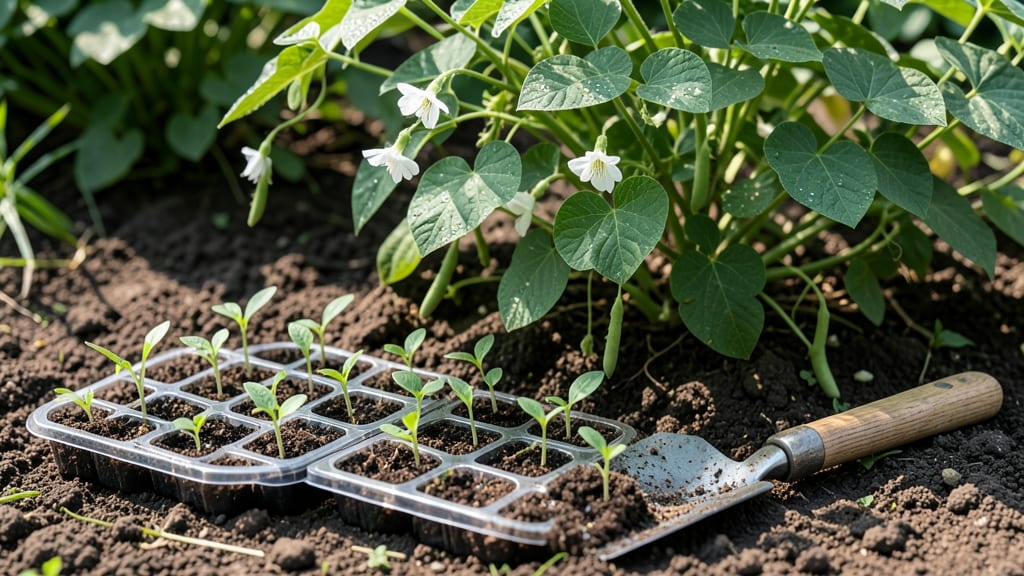
Planting beans in New Jersey after the last frost—when soil hits 60°F—is the key to fast germination and a bountiful harvest in just 50-60 days.
Picture this: you’ve cleared the garden bed, seeds are ready, but the soil is still cool. That’s how you end up with slow sprouts or worse, no beans at all. Timing matters more than most gardeners realize, especially in NJ’s 6a-7b zones where frost lingers until mid-April.
Here’s the game-changer: a soil warmth checklist that aligns planting with NJ’s microclimates, whether you’re growing bush beans for quick harvests or pole beans for a summer-long supply. We’ll cover the exact dates, how to test soil temp, and why succession planting keeps your kitchen stocked from July to September.
Skip the guesswork—learn the fastest, foolproof method to get your 🌱 beans thriving, plus NJ-specific tips to outsmart pests and extend your harvest well past Labor Day.
Optimal planting windows for beans in New Jersey by variety
New Jersey’s USDA Zones 6a-7b offer a 165-day frost-free season, perfect for growing beans in both spring and summer. However, soil temperature (not just air temperature) determines when beans will germinate successfully.
Most varieties need 60°F+ soil to sprout reliably, which typically aligns with mid-April to early June in most of NJ.
Coastal areas like Cape May and Atlantic City can plant 1-2 weeks earlier than inland regions like Trenton or Newark, thanks to milder microclimates. Inland gardens may need to wait until late April or even early May to avoid cold soil delays.
Always check your local last frost date—usually April 15—but don’t rush planting until the soil warms.
Here’s how to align your planting with New Jersey’s climate, broken down by bean variety and seasonal strategy:
Spring planting is your best bet for a summer harvest, but don’t overlook fall planting. If you sow seeds by late August, you can still enjoy beans into October before the first frost hits. Just pick heat-tolerant varieties like 'Black Valentine' or 'Contender' for late-season success.
For coastal NJ, where winters are milder, you can even experiment with early spring plantings under row covers as soon as March 15—just be prepared to remove them if frost threatens. Inland gardeners should wait until after April 15 to avoid cold soil stunting germination.
Pro tip: Use a soil thermometer to confirm 60°F+ soil before planting. If your soil is cooler, try black plastic mulch or straw mulch to warm it up faster. This is especially critical for pole beans, which need even warmer soil (65°F+) to thrive.
Succession planting is key to non-stop bean harvests. After your first planting, sow new seeds every 2 weeks until July 15. This ensures you’ll have fresh pods from July through September, just in time for grilling season!
For fall plantings, stick to fast-maturing varieties (under 55 days) to beat the frost.
Remember, beans are heat-l
How to test soil warmth for bean germination success in NJ
Beans are finicky about soil temperature, and in New Jersey’s USDA Zones 6a-7b, waiting for the right warmth is key to fast germination. Cold soil can delay sprouting by weeks, leaving your garden vulnerable to pests or late-season frosts.
The secret? Testing soil warmth before planting—whether you use a soil thermometer or a simple DIY trick. Let’s break it down so you can plant with confidence and avoid the frustration of slow starts.
Most bean varieties—including bush beans and pole beans—thrive when soil temperatures hit at least 60°F. In NJ, this typically aligns with mid-to-late May for early plantings, but coastal areas like Cape May might warm up a week earlier.
If you’re eager to start sooner, black plastic mulch or row covers can help warm the soil faster. But first, you need to know exactly when your soil is ready.
Why soil warmth matters: Beans are warm-season crops, meaning their seeds won’t germinate below 50°F. Even if air temperatures feel spring-like, the ground might still be chilly. For example, a 55°F soil can delay germination by 10+ days compared to 65°F soil. That’s the difference between a July harvest and a September one!
Step-by-Step: Testing Soil Warmth for Beans
-
📋
Step 1: Choose Your Method
- 🌡️ Soil Thermometer: The most accurate. Insert the probe 2-3 inches deep (where bean seeds will be).
- 🌱 DIY Test: Dig a small hole, place a thermometer or even a baby’s pacifier (yes, really!) in the soil, and cover it with dirt. Wait 30 minutes for a reading.
-
📋
Step 2: Check the Temperature
- 🌱 Ideal Range: 60–70°F for most beans. Lima beans prefer 65–75°F.
- ❄️ Too Cold: Below 55°F? Wait 1–2 weeks or use black plastic mulch to warm the soil.
- ☀️ Too Hot: Above 85°F can stress seeds. Plant in morning shade or water soil to cool it.
-
📋
Step 3: Time Your Planting
- 🌱 Early Spring (April–May): Test soil weekly after last frost date (usually April 15 in NJ).
- 🌿 Summer (June–July): Soil is usually warm enough, but succession plant every 2 weeks for continuous harvests.
- 🍂 Fall (August–September): Plant heat-tolerant varieties like ‘King of the Garden’ beans by August 1 for a late harvest.
-
📋
Step 4: Extend the Season (If Needed)
- 🔥 Black Plastic Mulch: Lays on soil 1–2 weeks before planting to raise temps by 5–10°F.
- 🛡️ Row Covers: Use floating row covers to protect seedlings from late frosts while letting sunlight warm the soil.
- 🌱 Cold Frames: For early spring starts, use a cold frame to create a microclimate.
Pro tip: In NJ’s coastal regions, soil warms faster than inland areas due to proximity to the ocean. If you’re near the shore, you might plant 1–2 weeks earlier than inland gardeners.
Always double-check with your local Cooperative Extension for frost date updates—last year’s schedule might not match this year’s!
Once your soil hits the sweet spot of 60–70°F, plant your beans 1 inch deep and keep the soil moist (not soggy) until germination. With the right warmth, you’ll see sprouts in 7–10 days—and a bountiful harvest in just 50–60 days. Happy planting! 🌱