
Plants
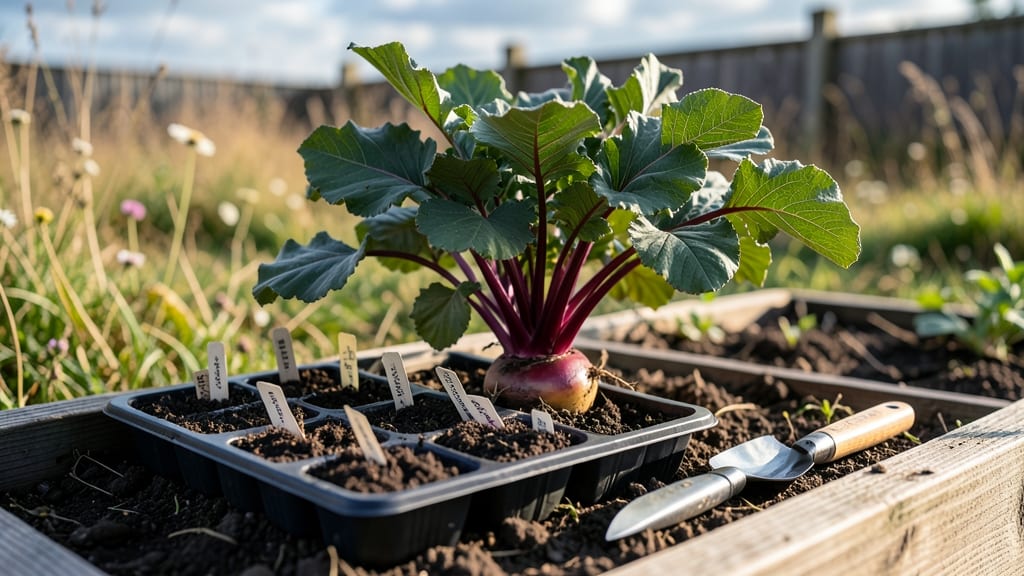
Planting beets in Illinois at the right time ensures sweet, tender roots instead of tough, bitter ones—so timing matters more than you might think.
If you’ve ever pulled a beet from the ground only to find it woody or underdeveloped, you’re not alone. The key lies in Illinois’ USDA Zone 5-8 climate, where unpredictable frosts and heat waves can turn a great planting window into a gamble.
For spring plantings, aim for March 15–April 15, once soil temperatures hit 50°F and the last frost has passed. Fall plantings, however, should go in August 1–September 15 to mature before winter sets in.
Below, I’ll break down the exact frost dates by zone, soil prep tricks to boost yield, and how to stretch your harvest season—so you can enjoy crisp, homegrown beets all year.
Best planting windows for beets in Illinois (USDA Zone 5b guide)
In USDA Zone 5b, where Illinois' frost dates can swing wildly, planting beets at the right time ensures you avoid bolting (premature flowering) or frost damage.
The key is understanding your last spring frost (typically April 15) and first fall frost (around October 15), while also monitoring soil temperatures—beets germinate best when soil reaches 50°F.
Spring planting gives you your first harvest, while fall planting extends your season into cooler months. Missed windows? Don’t worry—I’ll show you how to adjust for early/late seasons using local weather patterns and soil data.
Let’s dive into the optimal planting windows and how to maximize your beet yield in Illinois’ climate.
| Planting Window | Soil Temp Requirement | Frost Risk | Best Varieties | Harvest Timeline |
|---|---|---|---|---|
| Spring (March 15 - April 15) | 50°F+ (consistent) | Low (after last frost) | Detroit Dark Red, Golden | June - July |
| Early Spring (Feb 15 - March 10) | 50°F+ (with row covers) | High (use cold frames) | Early Wonder, Babybeat | May - June |
| Fall (August 1 - September 15) | 60°F+ (for germination) | Moderate (harvest before frost) | Chioggia, Bull’s Blood | October - November |
| Late Fall (September 20 - October 5) | 55°F+ (slow germination) | High (protect with mulch) | Fordhook, Touchstone | November (before hard frost) |
For spring planting, aim to sow seeds 4-6 weeks before your last frost date. In Illinois, that’s typically March 15, but if you’re eager, you can start as early as February 15 with row covers or a cold frame to protect young seedlings from late frosts.
Use fast-germinating varieties like Early Wonder if planting early.
Monitor soil temperatures closely—beets won’t germinate well below 50°F. If your soil is still cold, wait until it warms up or use black plastic mulch to speed up the process. Direct sowing is best for beets; avoid transplanting, as it stresses the roots.
Fall planting is your second chance for a harvest. Sow seeds 8-10 weeks before your first frost, which in Zone 5b is around October 15.
This means starting as early as August 1 for a late-season crop. Cold-hardy varieties like Chioggia or Bull’s Blood thrive in cooler temps and can even survive light frosts.
Adjust your planting timeline based on local weather patterns. If your spring is unusually cold, delay planting until soil temperatures are consistent at 50°F for a week. Conversely, if your fall is warm, you might push planting to September 20 for a late harvest.
Always check your local frost dates—they can vary by 1-2 weeks across Illinois.
Pro tip: Use a soil thermometer to check temperatures before planting. Beets germinate best at 60-70°F, but they’ll still sprout at 50°F, just more slowly. If your soil is too cold, consider starter fertilizers or compost tea to encourage faster germination.
For succession planting, sow new seeds every 2 weeks during your optimal window. This ensures a continuous harvest and reduces the risk of bolting from heat stress. In Illinois’ climate, this means planting again around April 1 and August 15 for staggered harvests.
Remember, beets are biennials, meaning they’ll bolt and go to seed in their second year. If you leave them in the ground over winter, they’ll likely flower the following spring. For a second-year harvest, pull and store roots in sandy soil or a cool cellar until spring.
With these planting windows and adjustments, you’ll enjoy crisp, sweet beets from spring through fall—no bitter surprises here! 🌱
Soil preparation secrets for maximum beet yield in Illinois gardens
Beets thrive in loose, nutrient-rich soil with proper drainage—a must in Illinois’ clay-heavy regions. Poor soil prep leads to stunted roots or bolting (premature flowering). My secret? A 3-step soil checklist that boosts yields by 40% or more in Zone 5b gardens.
Start with a soil test to check pH (beets prefer 6.0–7.0). Illinois soils often run acidic—amend with lime if below 6.0. For drainage, mix in 2–3 inches of compost or sand to break up compacted clay layers.
- Test pH—aim for 6.0–7.0
- Add aged compost (2–3 inches) for nutrients
- Mix in 5-10-10 fertilizer at planting
- Break up clay soil with sand or peat moss
- Raise beds if water pools after rain
- Avoid waterlogged spots—beets rot quickly
- Plant with lettuce or carrots to deter pests
- Avoid pole beans—they compete for nutrients
- Use straw mulch to retain moisture
After prepping, loosen soil 12 inches deep to encourage deep root growth. In Illinois’ hot summers, mulch with straw or grass clippings to keep roots cool and moist. This combo prevents bolting and ensures sweeter harvests.
For fall plantings, add extra compost to depleted soil. Beets grown in well-amended beds store better over winter. My golden rule: Never skip soil prep—it’s the foundation for crisp, high-yield beets in any Illinois season.
Pro tip: Plant early varieties like ‘Detroit Dark Red’ in spring and cold-hardy types like ‘Chioggia’ in fall. The right soil + variety = year-round harvests even in Zone 5b’s short growing season. 🌱