
Plants
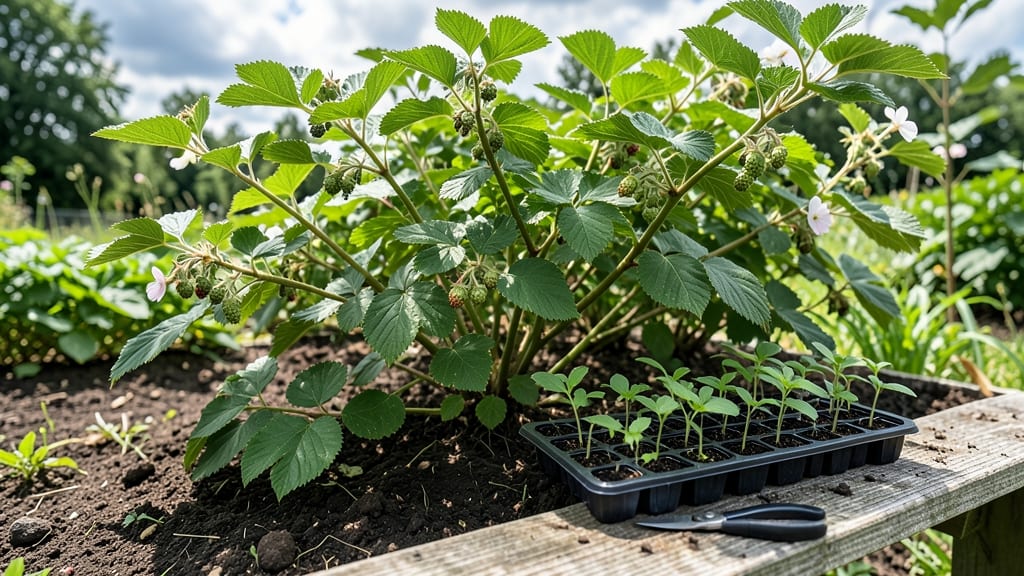
Planting blackberries in Georgia at the right time ensures a juicy, bountiful harvest from late spring through fall—so timing matters more than you might think.
Georgia’s warm climate and long growing season make it a blackberry gardener’s paradise—but timing your planting wrong can mean poor yields or even failed crops. Get the schedule right, and you’ll enjoy sweet, plump berries from May to August.
For USDA Zones 7b-8a, the best window is late winter to early spring (February–March) for bare-root plants or fall (September–October) for established canes. This avoids frost damage and gives roots time to establish before summer heat hits.
Below, I’ll break down the exact months to plant, soil prep tips, and how to pick the best varieties for your Georgia region—so you can skip the guesswork and start harvesting sooner.
Best planting months for blackberries in Georgia’s USDA zones 7b-8a
Georgia’s USDA Zones 7b-8a offer perfect conditions for growing blackberries, but the timing of your planting makes all the difference. Unlike cooler climates, Georgia’s mild winters and long growing season allow for two ideal planting windows: late winter/early spring and fall.
In Zone 7b (North Georgia), you’ll want to plant earlier to avoid late frosts, while Zone 8a (South Georgia) gardeners have a slightly extended window. Let’s break down the best times to plant bare-root canes versus potted plants for maximum success.
For bare-root blackberries, the best planting window in Georgia is from mid-February to early March. This timing ensures the soil has warmed to at least 50°F (10°C), which is critical for root establishment.
In Zone 7b, where frosts can linger until mid-March, planting in late February minimizes frost risk. Meanwhile, Zone 8a gardeners can stretch their planting window slightly later, up to mid-March, thanks to milder winters.
Planting too early in cold, wet soil can lead to root rot or stunted growth.
Potted blackberries offer more flexibility, allowing you to plant as late as April in both zones. Since potted plants have established root systems, they can handle slightly cooler soil temperatures better than bare-root canes. However, avoid planting after mid-April, as blackberries need time to establish roots before the summer heat sets in. If you miss the spring window, fall planting (September to October) is your next best option, as long as you plant at least 6-8 weeks before the first frost (typically mid-November in Zone 7b and slightly later in Zone 8a).
| Planting Type | Best Months (Zone 7b) | Best Months (Zone 8a) | Soil Temp Threshold | Notes |
|---|---|---|---|---|
| Bare-Root Canes | Mid-February to Early March | Late February to Mid-March | 50°F (10°C) | Plant before buds swell; avoid frost risk. |
| Potted Plants | March to April | March to Early April | 45°F (7°C) | Established roots tolerate cooler soil. |
| Fall Planting | September to Early October | September to Mid-October | 50°F (10°C) | Plant 6-8 weeks before first frost. |
Georgia’s microclimates play a huge role in planting success. For example, areas in North Georgia (Zone 7b), like the Blue Ridge Mountains, experience cooler temperatures and later frosts, so planting in late February is ideal.
In contrast, South Georgia (Zone 8a), including regions like Savannah or Columbus, can handle slightly later plantings due to milder winters. Even within these zones, elevation changes can shift frost dates by 1-2 weeks, so always check your local last frost date for precision.
One common mistake Georgia gardeners make is planting bare-root blackberries too early, when soil temperatures are still below 50°F (10°C). Cold soil slows root growth and increases the risk of disease.
To test soil temperature, use a soil thermometer or wait until you can easily push a wooden stake into the ground—if it goes in smoothly, the soil is ready.
For potted plants, you have a bit more flexibility, but avoid planting during heatwaves, as transplant shock can occur if roots dry out too quickly.
If you’re planting in Zone 7b, prioritize early spring planting (February to early March) to give your blackberries enough time to establish before summer heat arrives. For Zone 8a, you can push your window slightly later, but still aim to finish by mid-April.
Fall planting is another great option, especially if you missed the spring window. Just ensure you plant at least 6-8 weeks before the first frost to allow roots to establish before winter dormancy.
In Zone 7b, this typically means planting by early October, while Zone 8a gardeners can plant as late as mid-October.
For urban gardeners or those with limited space, container-grown blackberries are a fantastic option. These plants can be planted up to April in both zones, as their root systems are already established.
However, containers dry out faster, so you’ll need to water daily during hot spells and ensure they receive full sun (6+ hours). Choose thornless varieties like Arapaw or
How Georgia’s climate affects blackberry planting success (and how to adapt)
Georgia’s humid subtropical climate creates ideal conditions for blackberries—but it also brings unique challenges. The heat stress of summer, high humidity promoting fungal diseases, and early frost risks in North Georgia can derail your harvest if you’re not prepared.
Understanding how these factors vary between Zone 7b (North Georgia) and Zone 8a (South Georgia) is key to maximizing your blackberry success.
In North Georgia (Zone 7b), the biggest threat is late spring frosts that can damage new growth, while South Georgia (Zone 8a) gardeners face more intense summer heat and hurricane risks that can stress plants.
Both regions require adaptive strategies like strategic mulching, smart irrigation, and selecting the right varieties to thrive in their specific microclimates.
⚠️ Critical Planting Warning for Georgia Blackberries
Never plant bare-root blackberries when soil temperatures are below 50°F (10°C)—this causes root damage and poor establishment. In Zone 7b, wait until March 15+ after last frost, while Zone 8a can start as early as February. Potted plants offer more flexibility but require immediate watering after transplanting to prevent shock.
Pro Tip: Use black plastic mulch in summer to raise soil temps by 5-10°F and reduce weed competition.
For North Georgia gardeners (Zone 7b), focus on early-maturing varieties like 'Arapaw' or 'Natchez' to avoid frost damage. These varieties produce fruit 60-70 days after planting, giving them time to ripen before November’s first frost.
Pair them with row covers during late spring blooms to protect flowers from 28°F (-2°C) frosts that can destroy blossoms.
In South Georgia (Zone 8a), prioritize heat-tolerant varieties like 'Ouachita' or 'thornless 'Chester', which handle 90°F+ temperatures better than traditional types.
Install shade cloth (30%) over trellises during peak summer to prevent sunburn on canes and berries. Drip irrigation set to run early morning (5-7 AM) minimizes fungal risks from prolonged leaf wetness.
Both regions benefit from 3-4 inches of organic mulch (straw or pine needles) to retain moisture and regulate soil temps.
In Zone 7b, apply mulch in early spring; in Zone 8a, mulch after June 1 to avoid trapping excess heat. Prune in late winter (before buds swell) to remove dead canes and open the plant for better airflow—critical in Georgia’s humid conditions.
Remember: Thornless varieties like 'Prime-Ark Freedom' are easier to harvest but may yield 10-15% less than traditional types. Balance convenience with productivity by choosing semi-thornless 'Apache' for a middle ground. With these climate-specific adaptations, you’ll turn Georgia’s challenges into bountiful harvests from June through August.