
Plants
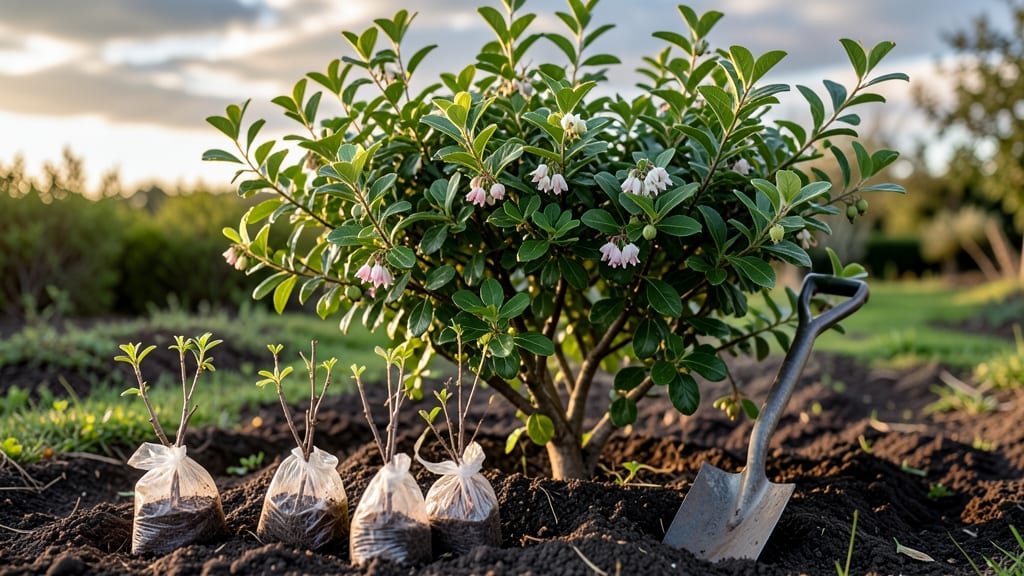
Planting blueberries in Colorado at the right time means the difference between a thriving 🫐 bush and one that never bears fruit.
Colorado’s unique climate—from high-altitude chill to sudden heat waves—can make or break your blueberry bushes if you plant them at the wrong time. Timing isn’t just about seasons; it’s about elevation, frost dates, and soil readiness.
In USDA Zones 5-7, the ideal window stretches from late April to early June, but that’s only part of the story. High-altitude gardens near Denver or Boulder face later frosts, while southern Colorado’s lower elevations can push planting into March.
Below, I’ll break down the exact months for your region, how to prep soil for acid-loving 🫐 bushes, and why container planting might be your best bet for shorter seasons.
Best planting months for Colorado blueberries by elevation zone
Colorado’s dramatic elevation changes create three distinct planting zones for blueberries, each with its own last-frost benchmarks and soil temperature triggers. Whether you're gardening in Denver’s foothills or the Rocky Mountain slopes, timing your planting window correctly ensures your bushes thrive—not just survive.
Northern Colorado’s shorter growing season demands earlier starts, while southern regions can stretch planting into early summer.
Blueberries need 40–50 frost-free days to establish roots before winter. At 3,000–5,000 ft, you’ll have a 120-day window between last frost (mid-April) and first frost (mid-October). But at 7,000+ ft, that shrinks to just 90 days, making spring planting critical.
Microclimates further complicate things—southern Colorado’s desert edges can be 2–3 weeks earlier than mountain valleys.
Soil temperature is your second key indicator. Blueberry roots won’t activate until soil hits 45°F (7°C). In lowland zones, this typically aligns with late April, while high-altitude areas may wait until mid-May.
Test with a soil thermometer—planting too early in cold soil can stunt growth or invite rot. Container-grown blueberries adapt better to shorter seasons but still need 6+ weeks of warm soil before transplanting.
For lowland zones (3,000–5,000 ft), aim to plant 4–6 weeks after your average last frost. In Colorado Springs or Pueblo, this means late April to early May.
Use hardiness zone 6 varieties like ‘Bluecrop’ or ‘Jersey’—they tolerate brief spring frosts better than southern hybrids. Mulch heavily with pine needles or wood chips to insulate roots from temperature swings.
Mid-altitude gardeners (5,000–7,000 ft) should wait until soil temperatures stabilize above 50°F (10°C). In Fort Collins or Boulder, this usually lands in mid-May. Choose zone 5–6 varieties like ‘Patriot’ or ‘Duke’ for their cold tolerance.
If planting in Juneau County foothills, opt for early-ripening cultivars to maximize your short season.
High-altitude areas (7,000+ ft) present the biggest challenge. Container planting is your best bet—move pots to a south-facing porch in winter or bury them in straw mulch for insulation.
Varieties like ‘Northblue’ or ‘Top Hat’ thrive in these conditions. Plant no later than early June, even if roots are small—root growth slows dramatically after July.
Northern Colorado’s shorter frost-free season demands extra caution. In Steamboat Springs or Grand Junction, plant 2–3 weeks earlier than Denver to account for colder nights.
Southern Colorado’s desert microclimates (e.g., Alamosa or Durango) can push planting into early June, but monitor nighttime temperatures40°F (4°C) can damage new growth.
Pro tip: Use frost cloth for 2–3 weeks after planting in all zones to protect tender new shoots. Water deeply before your first frost to harden off roots.
And remember—blueberries hate alkaline soil. Test your pH before planting; amend with sulfur or peat moss to reach the ideal 4.5–5.5 range. 🌱
If you miss the spring window, fall planting is possible in lowland zones—aim for September when soil is still warm but nights cool. High-altitude areas should never plant in fall; the risk of winter kill outweighs any root establishment.
For container growers, late summer transplanting works if you water daily and use shade cloth for the first 2 weeks. 💧
Track your local frost dates using the Colorado Climate Center’s frost calendar or plant near a heat-retaining wall to create a microclimate. With the right timing, your blueberry bushes will reward you with years of sweet harvests—no matter your elevation. Start planning now, and you’ll be enjoying home
How to prepare your Colorado soil for blueberry planting success
Blueberries thrive in acidic soil with a pH between 4.5 and 5.5, but Colorado’s natural alkaline soils often need adjustments. Without proper prep, your bushes may suffer from nutrient deficiencies or stunted growth, even if you plant at the perfect time.
The key is balancing organic matter, acidifying amendments, and proper drainage—all while avoiding common pitfalls like over-fertilizing with nitrogen.
Start by testing your soil’s pH level using a home test kit or sending a sample to your local Cooperative Extension office. Colorado’s soils often test between 7.0 and 8.5, which is far too alkaline for blueberries.
If your soil is above 6.0, you’ll need to acidify it before planting. This process takes time—sometimes 3 to 6 months—so don’t wait until the last minute.
⚠️ callout warning ⚠️
While blueberries need acidic soil, too much acidity (below 4.0) can harm beneficial microbes and damage roots. Test your soil monthly during the acidification process. If you notice yellowing leaves or slow growth, your soil may be too acidic. Adjust by adding lime (yes, even for acid-loving plants!) to bring the pH back up.
To lower your soil’s pH, mix in organic amendments like peat moss, pine needles, or sulfur. Peat moss is the most effective, lowering pH by 1.0 to 1.5 points per application.
Spread a 2- to 3-inch layer over the planting area and till it into the top 6 to 12 inches of soil.
For faster results, use elemental sulfur at a rate of 1 to 2 pounds per 100 square feet, but avoid applying it in hot, dry weather, as it can burn plant roots.
Don’t forget to improve drainage, especially in clay-heavy Colorado soils. Blueberries hate soggy roots, so amend the soil with compost or well-rotted manure to create a loamy texture. If your site is prone to waterlogging, consider planting in a raised bed with a sand-perlite mix to enhance drainage.
A simple percolation test—digging a hole, filling it with water, and checking how quickly it drains—can save you from future root rot.
Avoid the temptation to over-fertilize with nitrogen, a common mistake that leads to leafy growth at the expense of berries. Instead, use a balanced, acid-forming fertilizer like a 10-10-10 or 12-12-12 blend with added iron and manganese.
Apply it lightly in early spring and again after harvest, but skip fall feedings to encourage root hardening before winter. Mulch with pine bark or wood chips to maintain acidity and retain moisture.
Before planting, create a checklist to ensure your soil is ready: ☑️ pH between 4.5 and 5.5 ☑️ Well-draining, loamy texture ☑️ 2-3 inches of organic mulch ☑️ No signs of pests or disease With these steps, your Colorado blueberry bushes will have the perfect foundation for healthy growth and bountiful harvests for years to come. 🌱