
Plants
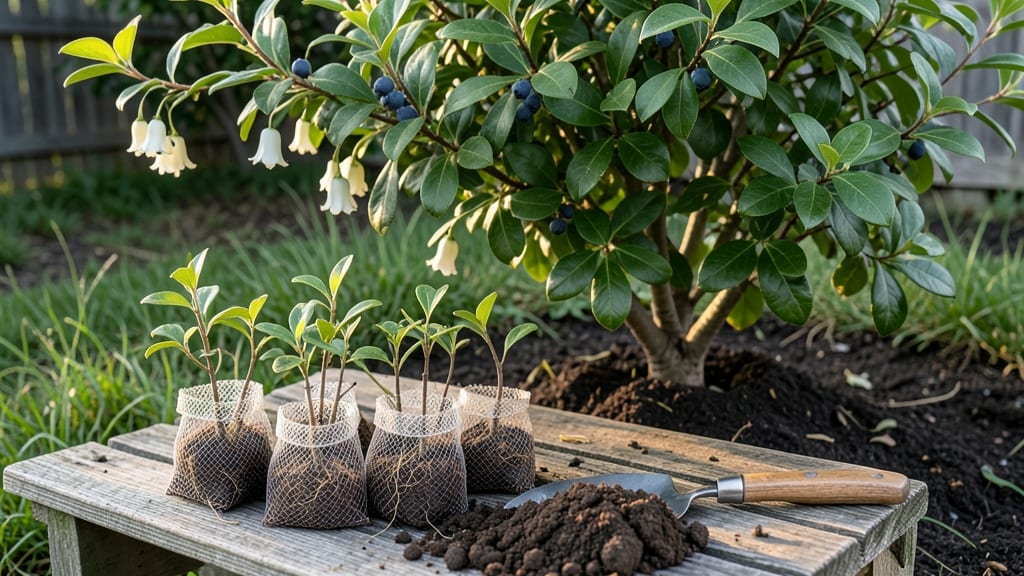
To plant blueberries in Massachusetts, aim for early spring—between March 15 and April 15—when soil temperatures hit 45°F and frost risks drop below 10%.
Massachusetts gardeners know timing is everything—plant blueberries too early, and frost will kill your young bushes; too late, and they won’t establish roots before winter. The key lies in understanding your microclimate zone and the exact window for maximum survival and harvest potential.
Whether you’re in Zone 5b (western MA) or Zone 6b (coastal areas), soil readiness—measured by a simple finger test—often shifts your planting date by 2-3 weeks. Coastal zones can start earlier, while inland areas may need to wait until after the last average frost.
Below, I’ll break down the zone-by-zone deadlines, soil prep secrets, and how to tell if you’ve missed the window (hint: look for budding shoots before transplant). By the end, you’ll know the precise weeks to plant for a reliable harvest.
Massachusetts blueberry planting zones: exact timing by hardiness zone (5-7) and microclimate
Blueberries thrive in Massachusetts, but timing your planting depends on your USDA hardiness zone and local microclimate. Zone 5 (western MA) has later frosts than Zone 7 (southeastern MA), while coastal areas like Cape Cod stay warmer longer. Understanding these differences ensures your bushes establish strong roots before winter.
For spring planting, aim for 2-4 weeks after your last average frost date. In fall planting, complete it 6-8 weeks before first frost to allow root establishment. These windows vary dramatically across Massachusetts—sometimes by 3+ weeks—so your exact location matters more than just the zone number.
Here’s how to pinpoint your optimal planting window using USDA data and local agricultural extension averages:
| Zone | Last Frost Date (Avg.) | Spring Planting Window | Fall Planting Window | Microclimate Adjustments |
|---|---|---|---|---|
| Zone 5 (Western MA) | April 25 | May 10–May 25 | September 15–October 1 | Inland areas: Plant 3–5 days later. High elevation (e.g., Berkshires): Delay by 1 week. |
| Zone 6 (Central MA) | April 15 | April 25–May 10 | September 20–September 30 | Urban heat islands: Plant 3–5 days earlier. River valleys: Follow zone 6 averages closely. |
| Zone 7 (Southeastern MA) | April 5 | April 15–April 30 | October 1–October 15 | Coastal (e.g., Cape Cod): Plant 5–7 days earlier. Sheltered bays: Follow zone 7 averages. |
In Zone 5, where western Massachusetts falls, late spring frosts are common until May 10. Planting after this date reduces frost damage risk to emerging shoots. Fall planting here must finish by October 1 to avoid winter kill, especially in high-elevation areas like the Berkshires.
For Zone 6 (central MA), Boston and Worcester have milder springs, with April 15 as the average last frost. This zone offers the widest planting window, but urban areas like Somerville or Cambridge can be 2–3°F warmer due to the "heat island" effect, allowing slightly earlier planting.
Zone 7 (southeastern MA) includes Providence, RI and Cape Cod, where coastal microclimates delay frost. Here, spring planting can start as early as April 15, but sheltered bays may extend this window further. Fall planting can stretch into mid-October in these areas.
Always check your local frost dates using the National Weather Service or UMass Extension for the most precise timing. Coastal gardeners should also monitor ocean breezes, which can delay soil warming by 1–2 weeks compared to inland sites.
Pro tip: Use a soil thermometer to confirm 50°F soil temps before planting. Cold soil slows root growth, making your blueberries vulnerable to winter stress. In Zone 5, wait until May 15 if soil temps are below this threshold.
For bare-root plants, soak roots for 2–4 hours before transplanting to rehydrate them. Container-grown blueberries can handle slightly later planting, as their roots are already established—but still aim for 2 weeks before your zone’s deadline.
Remember: Acidic soil (pH 4.5–5.5) is non-negotiable for blueberries. Test your soil 4–6 weeks before planting to amend with sulfur or peat moss if needed. Coastal soils often require more acidification due to limestone deposits.
🌱
Critical factors that shift your planting window (beyond just zones)
Your USDA zone gives a starting point, but soil temperature, elevation, and wind exposure can shift your blueberry planting window by 2-4 weeks—either earlier or later.
In Massachusetts, coastal areas like Cape Cod often see warmer soil 1-2 weeks before inland zones, while high-elevation spots like the Berkshires may need to delay planting until soil warms further. These microclimate tweaks mean the difference between thriving bushes and frost-nipped failures.
For example, the Duke blueberry variety thrives in early spring (March-April), while Jersey or Bluecrop prefer late April-early May. Choosing the wrong variety for your microclimate can delay your harvest by 3-4 weeks—or worse, leave you with no berries at all.
Always check your plant’s chilling hour requirements (most MA varieties need 800-1,200 hours) to match your local frost patterns.
Don’t rely on calendar dates alone—test your soil’s readiness with a finger test or soil thermometer. Stick your finger 6 inches deep; if the soil feels like a warm bath (around 50°F), it’s time to plant.
A cheap infrared thermometer ($15) gives precise readings and saves you from guessing. Pro tip: Morning soil temps are 5°F cooler than afternoon, so test in the late morning for accuracy.
Planting Window Shifters: When to Adjust Your Timeline
✅ Plant 2 weeks earlier (late Feb-early March)
⚠️ Risk: Early frost if soil is too cold
✅ Delay 2-3 weeks (late April)
⚠️ Risk: Slow root establishment
✅ Plant in windbreaks or use containers
⚠️ Risk: Desiccation in young plants
✅ Plant 1-2 weeks later (May)
⚠️ Risk: Smaller first-year harvest
Wind exposure is another game-changer. In exposed areas like Nantucket or Provincetown, young blueberry bushes can dry out 30% faster due to wind. If your site is windy, plant in a sheltered spot or use containers for mobility.
For in-ground planting, create a windbreak with evergreen shrubs or a fence on the prevailing wind side (usually west in MA).
Elevation also plays a surprising role. For every 1,000 feet gain, soil warms 3-5°F slower in spring. In the Berkshires (elevation 1,000-2,000 ft), aim for late April planting, while coastal MA (elevation 0-500 ft) can start as early as mid-March.
Use a soil thermometer to confirm—50°F is the minimum safe temp for bare-root planting.
Finally, blueberry variety choices directly impact your timeline. Early-season types like Patriot or Duke need fewer chilling hours (ideal for Zone 6-7) and can be planted 2 weeks earlier than late-season varieties like Bluecrop.
Always match your local frost dates to the variety’s harvest window—planting a late-season blueberry in a short-growing-season area (e.g., northwest MA) risks frost damage to flowers.