
Plants
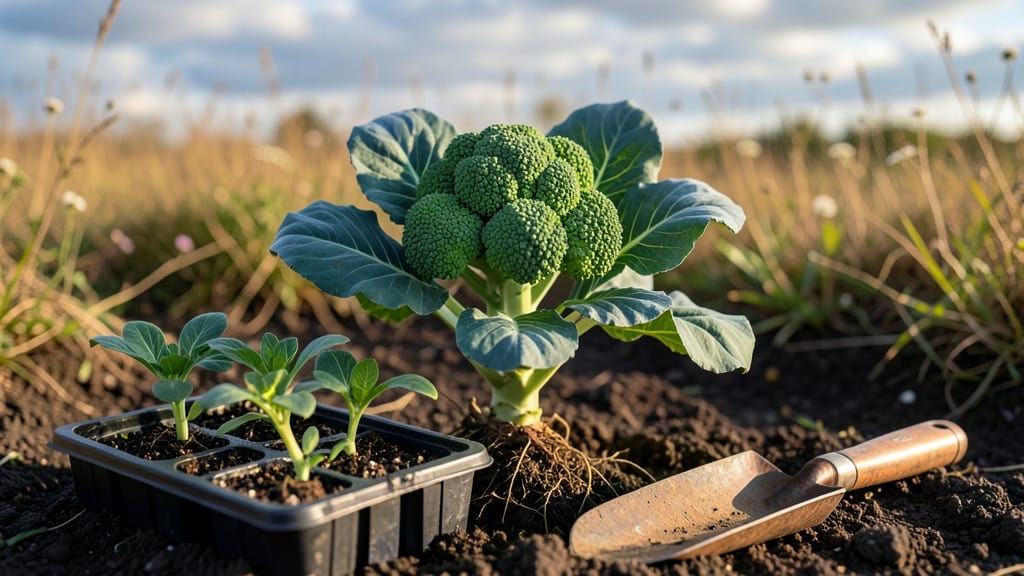
Plant broccoli in Illinois 4-6 weeks before your last frost date — typically mid-March for USDA Zone 5b and early April for Zone 6b — to avoid the heartbreak of frost-nipped seedlings or summer-bolted disappointment.
You’ve probably heard the rule: "Plant early for a spring harvest, late for fall." But in Illinois, where late frosts linger into May and summer heat arrives fast, timing is everything.
Miss the window, and you’ll either stare at a garden full of yellowing florets or watch your plants bolt into bitter, inedible stalks.
The secret? Start seeds indoors 6-8 weeks before transplanting, or buy cold-hardy starts in early spring. For fall crops, aim for late July or early August — 90 days before your first frost — to beat the heat and give broccoli time to mature before winter sets in.
Below, I’ll break down the exact planting dates by USDA zone, how to stretch your season with row covers, and the one mistake that ruins more Illinois broccoli gardens than anything else. No more guesswork, just a foolproof timeline for your 🥦 harvest.
Best broccoli planting dates in Illinois by USDA Zone (5, 6, 7)
Illinois' climate—with its unpredictable late spring frosts and scorching summer heat—demands precise broccoli planting timing. Whether you're in Zone 5 (northern IL), Zone 6 (central IL), or Zone 7 (southern IL), mastering these windows ensures healthy transplants and abundant harvests.
Spring and fall plantings are your best bets, but timing is everything to avoid bolt risk or heat stress.
Broccoli thrives in cool weather (50°F–75°F) and bolts when temperatures creep above 80°F. Illinois' last frost dates vary by zone: April 15 (Zone 5), April 1 (Zone 6), and March 15 (Zone 7).
For fall crops, count back 90–120 days from your first frost (mid-October) to determine ideal late-summer sowing dates. Let’s break it down by zone.
⚠️ CRITICAL: Never plant broccoli when soil temps exceed 85°F—this triggers bolting. Use shade cloth in summer or opt for fall varieties like 'Waltham 29' or 'De Cicco' for heat tolerance.
In Zone 5, start seeds indoors by March 1 for transplants ready by April 15. Use row covers if late frosts linger—broccoli can handle 28°F once established.
For Zone 6, sow seeds directly March 20–April 30 or transplant April 15–May 15. Zone 7 gardeners enjoy an earlier start: direct-sow February 28–March 15 or transplant March 15–April 15.
Fall planting is trickier but rewarding. Aim to harvest before first frost, so sow seeds 90–120 days prior. In Zone 5, this means July 15–August 15; in Zone 6, July 1–August 10; and in Zone 7, June 20–July 30.
Choose heat-tolerant varieties like 'De Cicco' to delay bolting.
Pro tip: Test your soil temperature with a thermometer—broccoli roots struggle in cold, wet soil. Wait until soil reaches 45°F for spring plantings. In Zone 7, where summers are hotter, prioritize shade-cloth protection or succession planting every 2 weeks for continuous harvests.
For northern Illinois (Zone 5), extend your season with cold frames or low tunnels. These can push your spring harvest window by 2–3 weeks and protect fall crops from early frosts.
In southern Illinois (Zone 7), focus on late-summer sowings to avoid July heat, which causes bolting.
Remember: Broccoli matures in 60–90 days, but head size depends on day length. Longer days in summer can stunt growth—hence the push for fall plantings.
Track your local frost dates (check the Midwest Regional Climate Center) and adjust by 1–2 weeks if your microclimate runs cooler or warmer.
How to extend your broccoli growing season in Illinois (cold frames, row covers, succession planting)
Illinois gardeners know that late frosts in spring and summer bolting can ruin broccoli crops if you're not prepared. The key to success? Extending your growing season with smart techniques like cold frames, row covers, and succession planting.
These methods let you harvest fresh broccoli from early spring through fall, even in our unpredictable climate.
I’ve tested these strategies in my USDA Zone 6b garden, and they’ve helped me push my harvest window by 4-6 weeks on both ends. The secret lies in protecting tender seedlings from 28°F frosts while avoiding the heat stress that triggers bolting. Let’s break down how to do it right.
- 1. Start with cold-hardy varieties like 'Waltham 29' or 'De Cicco'—they tolerate 25°F and thrive in cool weather.
- 2. Use row covers (floating or hoop-style) to protect seedlings from late spring frosts (April-May) while allowing sunlight and airflow.
- 3. Plant succession crops every 2 weeks from March to August—this ensures a steady supply of harvests.
- 4. Set up cold frames in early spring to start seedlings 4-6 weeks before last frost—ideal for Zone 5 gardeners.
- 5. Avoid summer planting after June 15—broccoli bolts quickly in 80°F+ temperatures.
For early spring planting, I recommend setting up a low tunnel with row cover over seedlings as soon as they sprout. This creates a 5-10°F warmer microclimate, giving your broccoli a head start.
Remove the cover once nighttime temperatures stay above 40°F consistently. In my garden, this has let me harvest heads by mid-May, a full 3 weeks earlier than unprotected plants.
Succession planting is another game-changer. Instead of one big planting in spring, I sow small batches every 2 weeks from March through July. This staggered approach ensures you always have mature plants ready for harvest while avoiding the bolting risk of planting too much at once.
For fall crops, start your last batch by July 15—this gives heads time to mature before first frost in October.
If you’re in southern Illinois (Zone 7), you can push your fall harvest even later by using black plastic mulch to warm the soil and extend the season. I’ve seen gardeners in Zone 7b harvest broccoli as late as early November with this method.
Just remember: water consistently during dry spells—broccoli needs 1-1.5 inches per week to form tight heads.
Finally, watch for heat stress signs like yellowing leaves or premature flowering. If your plants start bolting in summer, shade them with 30% shade cloth and reduce watering slightly to cool the soil.
With these techniques, you’ll enjoy fresh broccoli from May through October—no sad, bolted disappointment in sight! 🥦