
Plants
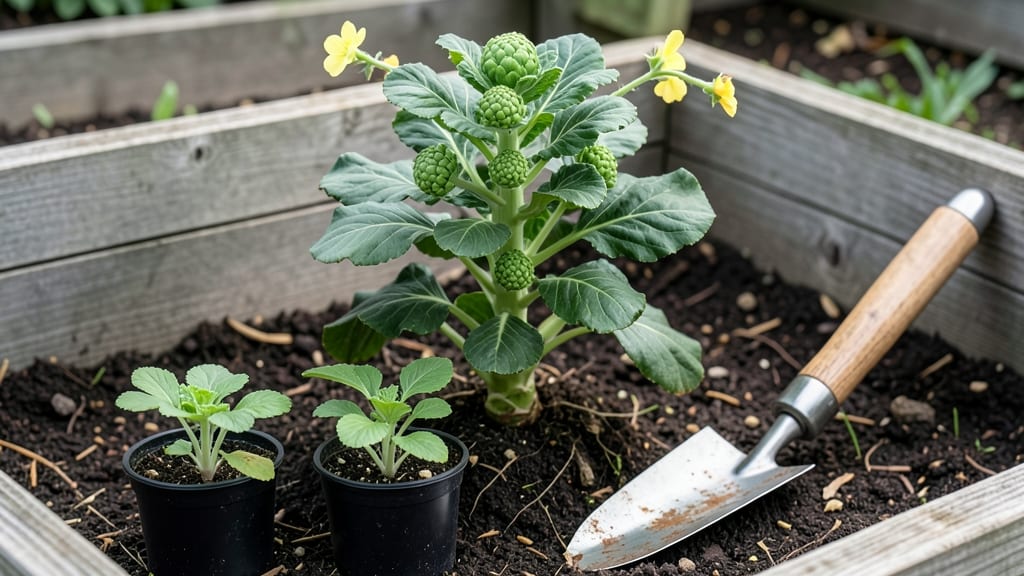
To plant Brussel sprouts in Louisiana, aim for late summer to early fall—typically August through September—when temperatures start cooling and humidity drops just enough for these cool-season crops to thrive.
Louisiana’s humid summers and mild winters make growing 🥦 a challenge—but with the right timing and heat-tolerant varieties, you can harvest crisp, flavorful sprouts year after year.
Miss the window, and you’ll either bake your seedlings in summer heat or watch them bolt before frost. The key is planting 8-10 weeks before your first frost (usually mid-November in most of the state) to give them time to mature before winter sets in.
Below, I’ll break down the exact months for your region, the best heat-tolerant varieties, and how to avoid common mistakes that ruin harvests—so you can enjoy homegrown Brussels sprouts from late fall through winter.
Best planting months for Brussels sprouts in Louisiana’s climate zones
Growing Brussels sprouts in Louisiana requires precise timing to avoid the brutal summer heat and take full advantage of the mild winters. Unlike cooler climates, Louisiana’s USDA Zones 8a-9a demand early planting to ensure your plants mature before the first frost—typically around December 1 in most regions.
The key is planting 8-10 weeks before frost, which translates to late summer for direct sowing and early fall for transplants.
Louisiana’s climate varies dramatically from north to south, so I’ll break down the best planting windows for Zone 8a (North), Zone 8b (Central), and Zone 9a (South).
Each region has slightly different frost dates and heat tolerance thresholds, meaning your timing must be tailored to avoid bolting or stunted growth. Let’s dive into the specifics to maximize your harvest.
Here’s a quick reference for your region’s ideal planting windows, including both direct sowing and transplanting schedules. This summary table will help you plan with confidence, whether you’re a first-time gardener or a seasoned pro.
For North Louisiana (Zone 8a), direct sowing should begin by late July to give plants enough time to establish roots before the heat peaks. Transplants can go in slightly later, around mid-August, but avoid planting after early September—the risk of bolting increases as temperatures rise.
This region’s shorter growing season means you’ll need to prioritize fast-maturing varieties like 'Long Island Improved' or 'Ruby Ball'.
In Central Louisiana (Zone 8b), you’ve got a bit more flexibility. Direct sowing can start as early as early August, and transplants thrive when planted by early September.
The slightly later frost date here allows for a longer growing window, but don’t push it past mid-September—your plants need 90-100 days to mature, and cooler nights in October will slow growth significantly.
If you’re gardening in South Louisiana (Zone 9a), you’re in the sweet spot for extending your growing season. Direct sowing can wait until mid-August, and transplants can go in as late as mid-September.
The later frost date (January 10) gives you more time to experiment with succession planting or even a second crop in early spring. However, avoid planting after late September, as the combination of heat and humidity can stress young plants.
One common mistake I see in Louisiana gardens is planting Brussels sprouts too late. The heat tolerance threshold is 90-95°F for short periods, but prolonged exposure to temperatures above 85°F will cause bolting—where the plant prematurely flowers and produces bitter sprouts.
To mitigate this, use shade cloth during the hottest part of the day or choose heat-tolerant varieties like 'Coronet' or 'Tasty-Top'.
Another pro tip: Prep your soil in June by amending it with compost and aged manure to improve drainage and fertility. Brussels sprouts thrive in well-draining, slightly acidic soil (pH 6.0-7.0), and Louisiana’s clay-heavy soils often need extra organic matter to prevent waterlogging.
If your soil is heavy, consider raised beds or containers filled with a 50/50 mix of garden soil and compost.
Finally, don’t forget to space your plants properly. Brussels sprouts need 18-24 inches of space between plants to develop fully. In Louisiana’s humid climate, proper spacing also improves airflow, reducing the risk of diseases like downy mildew.
Mulch around the base with straw or pine needles to retain moisture and suppress weeds, especially during the dry spells that often hit in late summer.
With the right timing and care, you’ll be harvesting crisp, flavorful Brussels sprouts from late fall through winter—just in time for holiday meals! The key is to plant early, stay vigilant about heat stress, and give your plants the space and nutrients they need to thrive in Louisiana’s unique climate.
Happy gardening! 🌱
Heat-tolerant Brussels sprout varieties perfect for Louisiana gardens
Louisiana’s hot summers can stress Brussels sprouts, but these heat-tolerant varieties thrive in our Zone 8-9 climate. I’ve grown them for years and found these five varieties consistently produce crisp, flavorful sprouts despite the humidity.
The key is selecting varieties bred for heat resistance and disease tolerance, plus proper planting depth to prevent bolting.
For Louisiana gardens, I recommend planting these varieties 8-10 weeks before your first frost—typically August through early September. This timing ensures they mature before winter’s chill sets in.
Each variety has unique strengths, like 'Ruby Ball'’s vibrant color or 'Coronet'’s compact size, making them perfect for different garden spaces.
| Variety | Days to Maturity | Planting Depth | Heat Tolerance | Disease Resistance |
|---|---|---|---|---|
| Long Island Improved | 90-100 days | 1/2 inch deep | High (90°F+) | Moderate (downy mildew) |
| Ruby Ball | 85-95 days | 1/4 inch deep | Very High (95°F+) | High (black rot) |
| Coronet | 80-90 days | 1/2 inch deep | High (92°F+) | Very High (fungal) |
| Jade Cross | 90-100 days | 1/4 inch deep | Moderate (88°F+) | Moderate (alternaria) |
| Tasty Purple | 85-95 days | 1/2 inch deep | High (90°F+) | High (clubroot) |
My favorite for Louisiana’s heat is 'Ruby Ball'—it handles our 95°F+ summers better than most and produces vibrant purple sprouts. Plant seeds 1/4 inch deep in well-draining soil to prevent rot. For compact gardens, 'Coronet' grows just 2-3 feet tall and matures quickly, perfect for succession planting.
All these varieties need full sun (6+ hours daily) and consistent moisture, but avoid overwatering in Louisiana’s humidity. I mulch with straw or pine needles to retain moisture and regulate soil temperature. For disease prevention, rotate crops yearly and avoid planting where cabbage-family plants grew last season.
Harvest begins when sprouts reach 1-1.5 inches in diameter, typically November through January in Louisiana. Start with the lowest sprouts and work upward to keep the plant producing. With these heat-tolerant varieties, you’ll enjoy homegrown Brussels sprouts even in our warm climate!
🌱 For extra yield, try succession planting every 2 weeks in August-September. This extends your harvest window and maximizes garden space.