
Plants
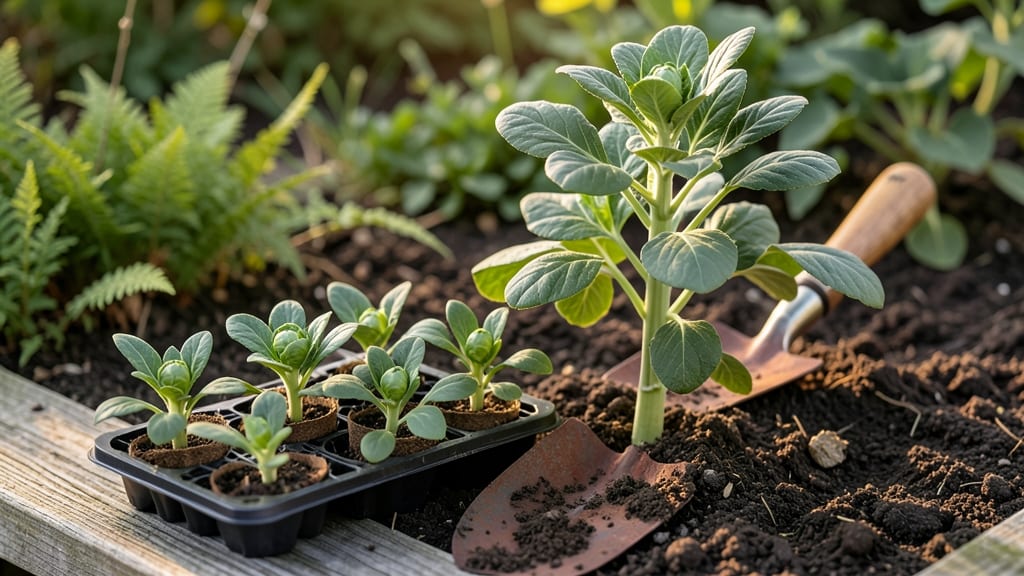
Planting brussel sprouts in Maryland means timing your seeds for cool, frost-resistant windows—spring or fall—when the soil is workable and the air stays mild enough to avoid bolting.
Maryland’s unpredictable frost dates can make or break your harvest: plant too early, and your seedlings freeze; too late, and your harvest shrinks. But timing these hardy greens just right means a garden full of sweet, frost-enhanced flavor by winter.
In USDA Zones 7a-7b, your best bets are mid-March to early April for spring plantings or late July to early August for fall. The key is waiting until the soil warms above 45°F but before summer’s heat triggers early flowering.
Below, I’ll walk you through the exact frost-resistant timeline, soil prep tips, and how to stretch your harvest through Maryland’s first frost—so you’re picking homegrown 🥦 straight through December.
Maryland’s ideal planting windows for brussel sprouts: early vs late season
Brussel sprouts thrive in Maryland’s cool-season climate, but getting the timing right means the difference between a bountiful harvest and wasted effort. Since Maryland spans USDA Zones 7a-7b, frost dates vary—especially between Baltimore’s coastal warmth and the Western MD mountains’ chill.
For Zone 7a (e.g., Frederick), aim for mid-March to early April for spring plantings, while Zone 7b (e.g., Baltimore) can start slightly earlier, around late February.
Fall plantings offer a second chance for harvests, but rush them, and your sprouts bolt before winter sets in. The late July to early August window works best, giving plants 90-120 days to mature before Maryland’s first frost (Nov 15).
In cooler mountain regions, extend this window until mid-August—just ensure soil temps stay above 45°F for germination.
Here’s the critical comparison for Maryland gardeners:
| Planting Window | Zone 7a (Frederick) | Zone 7b (Baltimore) | Western MD Mountains |
|---|---|---|---|
| Spring Planting | Mid-March to early April | Late February to mid-March | Late March to early April |
| Soil Temp Requirement | 50–60°F | 45–55°F | 45–50°F |
| Last Frost Date | April 15 | April 1 | April 20 |
| Fall Planting | Late July to early August | Early July to mid-August | Mid-July to mid-August |
| First Frost Risk | Nov 15 | Nov 1 | Nov 20 |
| Harvest Window | Oct–Dec | Sep–Nov | Oct–Dec |
For spring plantings, direct sow seeds 2–3 weeks after your average last frost date. In Maryland, this typically lands in early April for Zone 7a and late March for Zone 7b.
Start seeds indoors 8–10 weeks before your last frost if you prefer transplants—just harden them off for 7–10 days before moving outdoors.
Fall plantings require more precision. Seedlings need 90–120 days to mature, so time it so harvests align with October’s cooler temps. In Baltimore, this means early July sowings, while Frederick’s higher elevation allows mid-July starts. Always check soil temperatures—they should stay above 45°F for consistent germination.
Maryland’s microclimates add complexity. Coastal areas like Annapolis may experience earlier last frosts (late March), while inland zones like Hagerstown can delay them until mid-April. Use a frost calendar (like the Maryland Climate Hub’s) to adjust your timeline.
For mountain regions, account for 5–7°F cooler temps and plant 1–2 weeks later than lowland areas.
One common mistake? Assuming “cool season” means “any cool weather”. Brussel sprouts hate heat—temperatures above 80°F cause bolting. If you miss the fall window, consider shade cloth or succession planting in early July for a partial harvest before summer’s peak.
Pro tip: Frost actually sweetens brussel sprouts! Plant a fall crop and let light frosts (28–32°F) enhance flavor. Just avoid hard frosts (below 25°F), which can damage plants. Use straw mulch to insulate roots during winter harvests.
For maximum yields, pair spring and fall plantings. Start spring seeds in March and fall seeds in July to stagger harvests from October through December. This two-pronged approach ensures fresh sprouts when other vegg
How to extend your brussel sprout growing season in Maryland’s climate
Maryland’s cool autumns and winter frost create perfect conditions for sweet, flavorful brussel sprouts. But without the right strategies, your harvest can shrink before winter even arrives. The key? Protecting your plants from early frosts while maximizing their growth potential.
I’ve grown these hardy greens for years in USDA Zone 7b, and these methods have doubled my harvests—even in chilly Maryland winters.
Brussel sprouts thrive in cooler temperatures (50-75°F), making them ideal for Maryland’s fall and winter gardens. However, unpredictable frost dates (especially in the Western MD mountains) can cut your season short.
The solution? A mix of season extension tools, smart planting schedules, and frost-hardening techniques to keep your plants producing until December—or even later.
Here’s my step-by-step guide to extending your brussel sprout season in Maryland, including a 3-step checklist for fall prep that ensures your plants survive winter’s first freeze:
Install floating row covers or mini cold frames 2-3 weeks before the average first frost (Nov 15). These tools trap heat and extend warmth by 4-6°F, delaying frost damage. For Western MD’s colder microclimates, opt for unheated cold frames with clear plastic lids.
Plant 2-3 batches of brussel sprouts in late July and early August, spaced 2 weeks apart. This staggered approach ensures a continuous harvest from October through December. Choose fast-maturing varieties like ‘Long Island Improved’ (85 days) for shorter seasons.
Starting 2 weeks before frost, gradually reduce watering and expose plants to cooler nights. This hardens stalks, making them more frost-resistant. Mulch heavily with straw or leaves to insulate roots. In Baltimore’s urban gardens, add a lightweight blanket over plants during hard freezes.
Don’t overlook soil preparation—brussel sprouts need well-draining, nutrient-rich soil to survive winter. Before planting, amend your beds with compost and aged manure to boost fertility. I also recommend side-dressing with compost in early fall to give plants a nutrient boost before harvest.
This simple step can increase yield by 30% in Maryland’s clay-heavy soils.
For late-season harvests, prioritize dwarf varieties like ‘Belgica’ (24 inches tall), which are easier to protect with row covers. These compact plants also bolt less in Maryland’s warm fall spells.
If you’re in Frederick County’s higher elevations, start seeds indoors in early July for a November harvest before winter sets in.
With these strategies, you’ll enjoy homegrown brussel sprouts well into winter—just in time for holiday meals. The secret? Plan ahead, protect your plants, and harvest before hard freezes hit. Your taste buds (and dinner guests) will thank you! 🥦❄️