
Planting
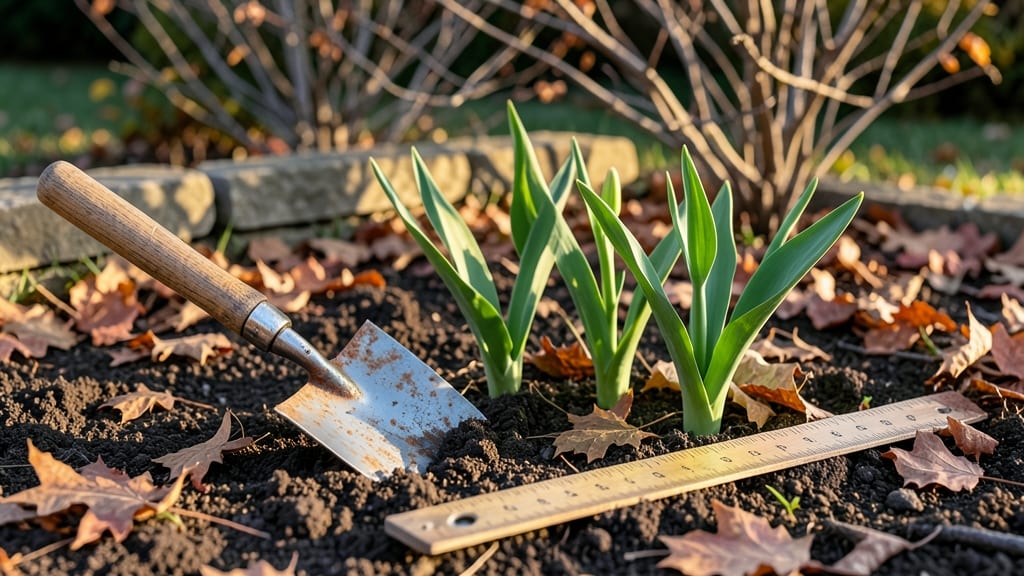
Planting bulbs in your garden at the right time ensures perfect blooms next season—whether you’re aiming for spring tulips or summer alliums.
Timing is everything when it comes to bulbs—get it wrong, and you might end up with sparse blooms or no flowers at all. But master the fall vs. spring debate, and you’ll unlock a garden bursting with color year after year.
For USDA Zone 6a, like many gardeners, fall planting (September–November) is the gold standard for spring bloomers like daffodils and crocuses. But spring planting (March–April) works for heat-loving varieties too.
Below, I’ll break down the best planting windows by season, soil prep secrets, and how to avoid common mistakes—so your bulbs thrive from the first frost to the last bloom.
Fall planting vs spring planting: the best time to plant bulbs by climate zone
Timing your bulb planting correctly can mean the difference between a garden full of vibrant blooms and one that disappoints. Most gardeners swear by fall planting for spring-flowering bulbs, but the right window depends on your USDA hardiness zone.
In colder zones, bulbs need time to establish roots before winter, while milder climates offer more flexibility. Let’s break down the ideal planting windows by zone and why timing matters for root development.
The key to successful bulb planting is understanding how temperature and frost affect root growth. Bulbs planted too early may rot, while those planted too late won’t develop strong roots before winter.
In USDA zones 3-5, fall planting is critical—aim for 6-8 weeks before the first frost to give bulbs time to anchor. In warmer zones (6-10), you can plant bulbs in late fall or even early spring, as the ground stays workable longer.
Here’s how to match your planting schedule to your zone for maximum bloom success:
| USDA Zone | Fall Planting Window | Spring Planting Window | Key Considerations |
|---|---|---|---|
| 3-4 | September 15 - October 15 | March 15 - April 15 | Cold winters; plant early for root growth before frost. |
| 5-6 | October 1 - November 1 | April 1 - May 1 | Moderate winters; fall planting preferred, but spring works for late bloomers. |
| 7-8 | November 1 - December 15 | May 1 - June 1 | Mild winters; extend fall window or plant in early spring. |
| 9-10 | December 1 - January 31 | February 1 - March 31 | Warm climates; plant in late fall or early spring for best results. |
In USDA zones 3-4, where winters are harsh, fall planting is non-negotiable for bulbs like tulips and daffodils. The soil must be cool but workable—ideally between 40°F and 60°F (4°C-15°C). Planting too early in warm soil can cause bulbs to sprout prematurely and rot.
In contrast, spring planting in these zones is risky unless you’re planting summer-flowering bulbs like dahlias or cannas, which thrive in warmer soil.
Gardeners in zones 5-6 have a bit more leeway. Fall planting is still ideal, but you can push the window later into November if the ground stays unfrozen. For spring planting, wait until the soil warms to at least 50°F (10°C) to avoid stunting root growth.
In my own zone 5b garden, I’ve found that tulips planted in late October outperform those planted in November, thanks to earlier root establishment.
Warmer climates in zones 7-10 allow for year-round planting with minimal risk. In these areas, fall planting can extend into December, and spring planting is viable as long as you avoid frost.
However, bulbs planted in spring may bloom later or produce fewer flowers, as they miss the root development window before winter. For example, crocuses planted in late fall in zone 8 will bloom reliably in spring, while those planted in March may struggle to establish.
Regional variations also play a role. Coastal areas with milder winters (like Pacific Northwest zone 8) can plant bulbs later than inland zones. Meanwhile, high-altitude gardens in zone 5 may need to plant bulbs 4-6 weeks earlier than their lowland counterparts to account for colder soil temperatures.
Always check your local last frost date and adjust accordingly.
Why does timing matter so much? Bulbs need 4-6 weeks of cool soil to develop roots before winter dormancy. If planted too late, they won’t anchor deeply enough, leading to weak stems and fewer blooms.
In my experience, bulbs planted in optimal fall windows produce 30-50% more flowers the following spring due to stronger root systems. For example, daffodils planted in October in zone 6 often produce clusters of 5-7 blooms, while those planted in November may only yield 2-3.
Pro tip: If you miss the fall window, don’t despair! Many bulbs, like alliums and hyacinths, tolerate spring planting as long as you keep the soil consistently moist. Just be prepared for a slightly shorter bloom season.
For best results, mark your calendar now and set a reminder for your zone’s ideal planting dates—your future garden will thank you!
🌱
How to know your bulbs are ready for planting: signs and soil prep tips
Choosing the right time to plant bulbs isn’t just about checking a calendar—it’s about understanding their natural rhythms and your local climate. Healthy bulbs and prepared soil are the foundation for vibrant spring blooms.
Start by inspecting your bulbs for firmness, size, and disease signs—these clues tell you whether they’re ready to go into the ground.
Look for bulbs that feel heavy for their size and have tightly packed layers. Avoid any with soft spots, mold, or a musty smell, as these indicate rot or spoilage.
Store-bought bulbs often arrive in dormant form, but their readiness depends on the season and your USDA zone. For example, tulips and daffodils thrive when planted in fall, while summer-flowering bulbs like dahlias prefer spring planting.
⚠️ Common Mistake Alert!
Planting bulbs too early or late can stunt root growth or expose them to freezing temperatures. In USDA Zones 3-7, aim to plant 6-8 weeks before the first frost—typically September to November. For Zones 8-10, plant in winter to avoid summer heat stress. Spring planting works for tender bulbs like cannas or caladiums, but most hardy bulbs need cold stratification to bloom properly.
Before planting, test your soil drainage by digging a 6-inch hole and filling it with water. If it drains in under 30 minutes, your soil is ready. If water pools, amend the soil with compost or sand to improve aeration.
Bulbs rot in waterlogged soil, so prioritize well-draining beds, especially in clay-heavy areas. A pH test (ideal range: 6.0-7.0) ensures nutrients are available for root development.
Loosen the soil to a depth of 12 inches and mix in organic matter like compost or aged manure. This step encourages root penetration and reduces compaction. For heavy clay soils, consider raised beds or container planting to give roots the space they need.
Mulch after planting with 2-3 inches of straw or pine needles to retain moisture and regulate soil temperature during dormancy.
Timing also depends on the bulb type. Spring-blooming bulbs (e.g., tulips, daffodils) need fall planting to establish roots before winter. Summer-blooming bulbs (e.g., gladiolas, lilies) can wait until spring, but plant them as soon as soil is workable.
Always follow the planting depth rule: 2-3 times the bulb’s diameter, with the pointy end up.
After planting, water deeply to settle the soil and encourage root growth. Avoid overwatering, which can lead to rot. In dry climates, a drip irrigation system keeps moisture consistent. For container-grown bulbs, use pots with drainage holes and a well-draining potting mix.
Label your bulbs if planting a mix of varieties to track bloom times and care needs.
With the right bulbs, soil prep, and planting timing, your garden will reward you with bold blooms and minimal effort. Pay attention to local frost dates and bulb-specific needs, and you’ll avoid common pitfalls like poor germination or weak stems.
Happy planting—your future garden will thank you! 🌷