
Plants
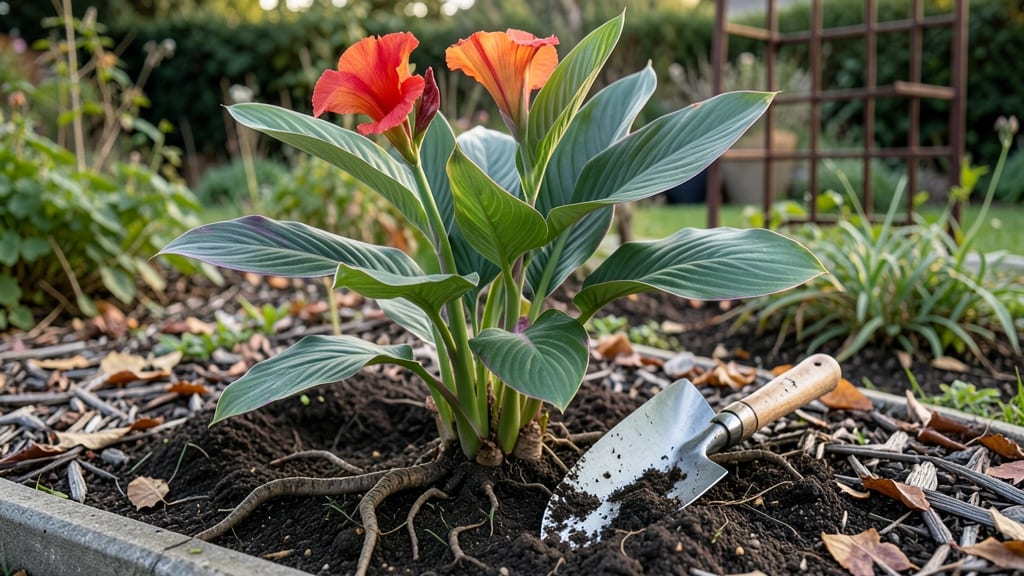
Planting cannas in Zone 7 after the last frost — typically mid-April to early June — is your ticket to bold, tropical blooms all summer long 🌺.
Zone 7 gardeners know the struggle—plant cannas too early, and frost zaps your blooms; too late, and summer heat stunts growth. Timing these tropical showstoppers requires precision, but the right schedule guarantees lush foliage and dramatic flowers all season.
Unlike hardy perennials, cannas thrive in warm soil and sunshine, so waiting for consistent 60°F temperatures is key. That means holding off until late May in cooler microclimates or early April in sheltered spots.
Below, I break down the exact planting window, how to prep your soil, and when to expect those first vibrant blooms — so you can avoid the common mistakes that leave your garden looking half-hearted.
Optimal planting windows for cannas in Zone 7: heat tolerance breakdown
Cannas thrive in Zone 7's warm climate, but their heat tolerance stages demand precise timing. Planting too early risks frost damage to tender tubers, while late planting stunts summer growth.
The key is aligning your schedule with soil temperatures and micro-climates—urban areas heat up faster than rural spots, creating a 2-3 week planting window difference.
For Zone 7 gardeners, the ideal planting window spans from mid-April to early June, but success hinges on three critical factors: last frost dates, soil warmth, and heat tolerance readiness.
Rural areas can plant earlier (late April), while urban heat islands may need to wait until early May to avoid stressing young plants.
🌱
Understanding these heat tolerance stages transforms canna planting from guesswork to science. The pre-heat stage (late March-April) is your prep window—soak tubers in lukewarm water for 24 hours to kickstart growth, then amend soil with organic matter to improve heat retention.
Rural gardeners can plant as early as mid-April when soil hits 60°F, but urban gardeners should wait until early May to avoid heat stress.
Once planted, cannas enter active growth by May-June, when soil temperatures consistently exceed 70°F. This is when you'll see those signature tropical leaves unfurl—feed with balanced fertilizer every 4-6 weeks to fuel rapid growth.
Urban areas may need afternoon shade during heatwaves to prevent leaf scorch, while rural plants can handle full sun.
By July-August, your cannas should be in peak bloom, producing those showstopping orange, red, or purple flowers. This is their heat tolerance showcase: they thrive in 80-90°F soil temps but wilt if deprived of consistent moisture.
In urban micro-climates, supplement with drip irrigation during heatwaves to maintain soil moisture at 60-70% capacity.
💧
The final stage—late season maintenance—often gets overlooked. Even in Zone 7, first frost risk appears by mid-October. Extend blooms by mulching heavily (4-6 inches) and using row covers on chilly nights.
For container growers, move pots to protected locations like garages or sheds before temperatures drop below 50°F.
Pro tip: Stagger your planting by 2-3 weeks for continuous blooms. Plant 1/3 of tubers in early May, another 1/3 in late May, and the final batch in early June. This ensures you have blooms from June through October, even in Zone 7's shorter growing season.
🌺
Zone 7-Specific cannas varieties and their planting sensitivity
Not all cannas thrive equally in Zone 7's hot summers and variable springs. Some varieties like 'Black Knight' handle heat like champs, while others like 'Pretoria' prefer cooler starts. Understanding these differences lets you stagger plantings for nonstop blooms from June to October.
Heat-tolerant varieties can handle soil temps above 70°F and direct afternoon sun, while sensitive types may bolt prematurely or wilt in 90°F+ heat. The key is matching each variety to your micro-climate—urban gardens stay cooler than rural areas, and elevated beds warm faster.
For heat-tolerant varieties like 'Black Knight', I recommend planting after Memorial Day when soil temps consistently stay above 65°F. These types can handle intense afternoon sun and drought-like conditions once established, making them perfect for low-maintenance gardens.
Heat-sensitive varieties such as 'Pretoria' need gentler conditions. Plant these in early May when nights are still cool, and provide afternoon shade during July and August. I've found that container growing works well for these—simply move pots to shadier spots during heatwaves.
To extend your bloom season, try staggered planting with 2-3 week intervals between varieties. For example, plant 'Striped' in early May, 'Cleopatra' in late May, and 'Black Knight' in early June. This creates a rolling display from June through October, ensuring your garden never looks bare.
Pro tip: Always soak tubers in warm water for 24 hours before planting to jumpstart growth. For sensitive varieties, I also recommend adding compost-rich soil to help them establish roots faster in Zone 7's fast-warming springs.