
Plants
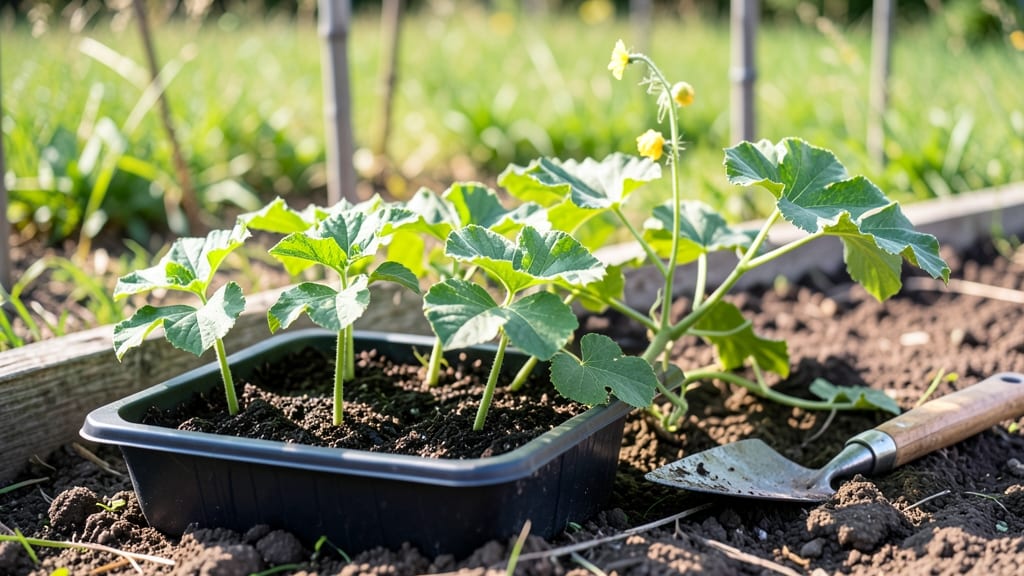
To plant cantaloupe in Louisiana, aim for mid-February to early April or late July to early August—timing that aligns with soil warmth and frost-free periods for best yields.
Louisiana’s long, hot summers create the perfect growing conditions for cantaloupe 🍈, but planting at the wrong time can mean poor yields or even crop failure.
Whether you're in North Louisiana (Zone 8a) or South (Zone 9b), the key is waiting until the soil reaches at least 70°F and the last frost has passed.
Spring plantings give you an early harvest in May-June, while late-summer plantings set you up for a fall bounty in September-October. The trick is avoiding early cold snaps and ensuring your vines have enough time to mature before cooler weather arrives.
Below, I’ll break down the exact planting windows by region, soil prep tips, and companion plants that thrive alongside cantaloupe in Louisiana’s humid climate—so you can maximize your harvest without the guesswork.
Louisiana heat zones: best planting windows by region
Louisiana’s climate varies dramatically from north to south, with USDA Zones 8a in the northern hills to Zone 9a in the southern bayous. These differences mean your cantaloupe planting window should shift based on your location.
In Zone 8a, cooler nights delay planting, while Zone 9a gardeners can start earlier and enjoy longer growing seasons. Understanding these regional nuances ensures your cantaloupe vines thrive from seed to harvest.
For all Louisiana gardeners, soil temperature is the critical factor—not just air temperature. Cantaloupe seeds won’t germinate until the soil reaches at least 70°F. In Zone 8a, this typically happens by mid-April, while Zone 9a gardeners can plant as early as late February.
Waiting for warm soil prevents seed rot and ensures strong, healthy starts. Always use a soil thermometer to confirm readiness.
| Region | USDA Zone | Last Frost Date | Soil Temp for Planting | Ideal Planting Window |
|---|---|---|---|---|
| Northern Louisiana | Zone 8a | Mid-March | 70°F+ (mid-April) | April 15–May 15 |
| Central Louisiana | Zone 8b | Early March | 70°F+ (early April) | April 1–April 30 |
| Southern Louisiana | Zone 9a | Late February | 70°F+ (late February) | Late Feb–March 15 |
In Zone 8a, gardeners should wait until mid-April to plant cantaloupe seeds directly in the ground. The risk of late frosts in March makes early planting dangerous, and cantaloupe is highly sensitive to cold.
For a head start, begin indoor seed starting in early March, using grow lights to simulate long daylight hours. Transplant seedlings outdoors only after the last frost date, typically around April 15.
Central Louisiana’s Zone 8b offers a slightly longer window. Here, you can plant seeds outdoors as early as April 1, but always verify soil temperature first. The key advantage of Zone 8b is the ability to succession plant for a fall harvest.
Start a second batch of seeds in late July to enjoy ripe cantaloupes in September or October, just before cooler weather arrives. This dual-planting strategy maximizes your yield.
Gardeners in Zone 9a have the earliest and longest growing season. You can plant cantaloupe seeds outdoors as early as late February, provided soil temperatures are above 70°F.
This early start allows for two full harvests: one in May-June and another in September-October with a late summer planting. The extended warm season also reduces the need for row covers or protective measures, making cantaloupe a low-maintenance crop in southern Louisiana.
Regardless of your zone, transplanting is a critical step. Seedlings should be 3-4 weeks old and have 2-3 true leaves before moving them outdoors. Harden off seedlings by gradually exposing them to outdoor conditions over 5-7 days to prevent shock.
In Zone 8a, transplant after May 1 to avoid any lingering frost risk, while Zone 9a gardeners can transplant as early as March 15.
One often-overlooked factor in Louisiana’s humid climate is pollination. Cantaloupe relies on bees and other pollinators, but high humidity can reduce their activity. To ensure success, plant companion flowers like marigolds or sunflowers nearby to attract pollinators.
In Zone 8a, where mornings can be cooler, consider hand-pollinating flowers with a small brush if bees are sluggish. This extra step guarantees fruit set, even in less-than-ideal conditions.
For all regions, mulching is essential to retain soil moisture and regulate temperature. Use straw or black plastic mulch to keep roots cool and prevent weeds. In Zone 9asoil-borne diseases by reducing moisture loss. Apply mulch 2-3 weeks after transplanting once seedlings are established and vines begin to spread.
Finally, don’t forget about fall planting for a second harvest. In Zone 8alate July for a September harvest, while Zone 9a gardeners can extend this to
Step-by-step planting schedule for maximum cantaloupe yields
Cantaloupes thrive in Louisiana’s heat, but timing your planting is critical for avoiding frost damage or overly hot conditions that stress young plants. The key is to start seeds indoors 3-4 weeks before your last frost date or direct-sow after soil warms to 70°F.
In Louisiana’s USDA Zones 8a-9b, this typically means two planting windows: spring (March-April) and fall (July-August) for a late harvest.
For spring planting, begin seeds indoors in February (Zone 8a) or March (Zone 9a) to ensure hardy seedlings ready for transplant by mid-April.
Fall plantings should start seeds indoors in June for transplanting by late July, giving melons time to mature before first frost in November. Soil temperature is your best guide—wait until it consistently stays above 70°F at a 2-inch depth.
- 1 Indoor Seed Starting (Spring): Begin seeds 3-4 weeks before last frost (Zone 8a: February 15, Zone 9a: March 1). Use biodegradable pots and seedling heat mats to maintain 75-85°F soil temps.
- 2 Hardening Off (2 Weeks): Acclimate seedlings to outdoor conditions by placing them outside for 2-3 hours daily, gradually increasing time. Protect from strong winds and direct afternoon sun.
- 3 Transplanting (Spring): Plant seedlings 1-2 inches deep in mounds or hills spaced 2-3 feet apart. Use well-draining soil amended with compost and a balanced 10-10-10 fertilizer.
- 4 Direct Sowing (Fall): For late-season harvests, sow seeds directly into warm soil (after July 15) in hills spaced 3-4 feet apart. Thin seedlings to 2-3 per hill once true leaves appear.
- 5 Mulching & Irrigation: Apply 2-3 inches of mulch (straw or black plastic) to retain moisture and regulate soil temp. Water deeply at soil level (avoid wetting leaves) every 2-3 days during dry spells.
- 6 Post-Planting Care: Fertilize lightly with 1 tbsp 10-10-10 per plant 4-6 weeks after transplanting. Monitor for powdery mildew (common in Louisiana’s humidity) and treat with neem oil if needed.
After transplanting, avoid disturbing roots—cantaloupes have shallow root systems that spread widely. Use drip irrigation or soaker hoses to deliver consistent moisture without wetting foliage, which reduces disease risk. In Louisiana’s humid climate, morning watering is ideal to allow foliage to dry before evening humidity peaks.
For extended harvests, consider succession planting: Start a second batch of seeds indoors in late June for transplanting in early August. This ensures a continuous supply of fresh cantaloupes from June through October.
Just remember to space plants properly—overcrowding leads to poor air circulation and fung