
Plants
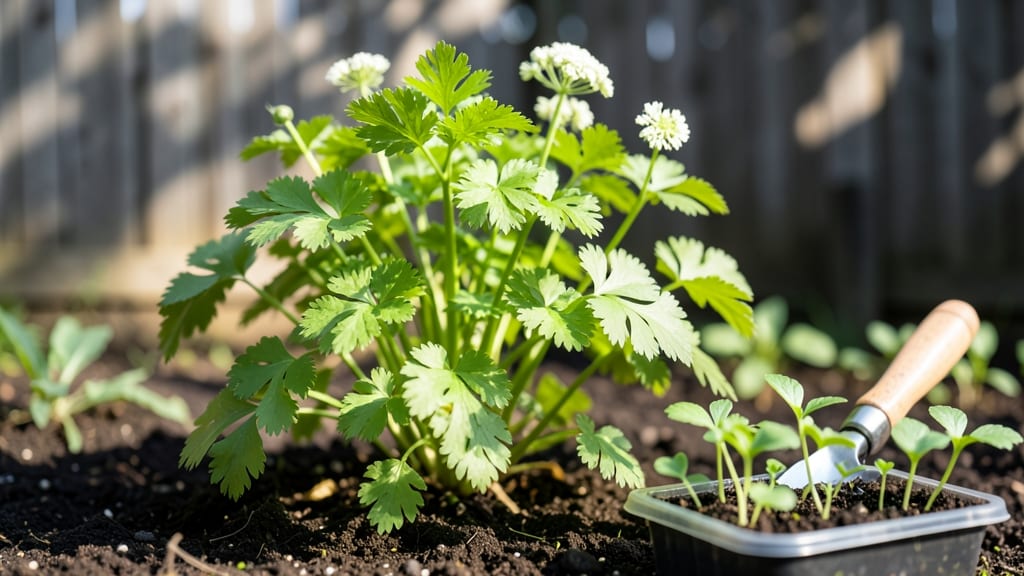
To plant cilantro in Oregon without it bolting into flower, time your sowing between late February and early April for spring or August to mid-September for fall—coastal areas have a few extra weeks.
Oregon’s mild coastal climate and hot inland summers make cilantro a tricky crop—plant too early, and it bolts; too late, and it struggles to thrive. Mastering the perfect timing ensures fresh, flavorful leaves all season long.
Your location matters: Zone 8a-9a (like Western Oregon) can handle early spring plantings by March, while inland areas in Zone 7 should wait until after the last frost—usually mid-April. Even a few degrees difference can mean the difference between a thriving 🌿 and a bitter disappointment.
Below, I’ll break down the exact windows for your region, how to adjust for microclimates, and the 3-step trick to keep cilantro producing leaves instead of seeds—no matter where you garden in the state.
Best planting windows for cilantro in Oregon’s climate zones
Oregon’s diverse microclimates create unique challenges for growing cilantro. Coastal regions like Portland (Zone 8-9) enjoy milder winters, while inland areas like Bend (Zone 7) face hotter summers.
Timing is everything—plant too early, and your cilantro bolts; too late, and it struggles to establish. Let’s break down the perfect planting windows for your specific zone.
Cilantro thrives in cool weather and hates heat, making spring and fall the ideal seasons. Coastal gardeners can squeeze in two harvests per year, while inland growers should focus on fall plantings to avoid summer heat stress.
Understanding your last frost date (April 15 coastal, May 1 inland) is key to avoiding early-season failures.
| Climate Zone | Best Planting Window | Avoid Planting | Heat Tolerance Tip |
|---|---|---|---|
| Coastal (Zone 8-9) | Late Feb - Early April Late Aug - Mid Oct |
June - July | Use shade cloth in summer if extending season |
| Inland (Zone 7) | Late March - Early May Late July - Early Sept |
May - August | Plant in morning sun only; afternoon shade essential |
| Urban Microclimates | Adjust by 2-3 weeks based on local frost data | Follow zone guidelines | Monitor soil temp (keep below 75°F) |
For coastal Oregon gardeners, cilantro loves the mild spring (March-April) and cool fall (August-October). Start seeds indoors 4-6 weeks before last frost (around mid-March) for early harvests. In Portland or Astoria, you can even try a winter crop under row covers for fresh cilantro year-round.
Inland areas like Bend or Pendleton face hotter summers, so focus on fall plantings (late July-August). The key is to get seeds in the ground before August heat sets in.
If you must plant in summer, use 50% shade cloth to prevent bolting. Remember, cilantro bolts when soil temps exceed 75°F.
Urban gardeners in microclimates (like Medford’s valley or Eugene’s hillsides) should adjust timing by 2-3 weeks based on local frost dates. Check Oregon State University’s frost maps for precise guidance. If your garden gets hotter than average, consider container growing with afternoon shade.
Pro tip: Soil temperature matters more than air temperature. Use a soil thermometer to confirm temps are below 70°F before planting. Coastal soils stay cooler longer, while inland soils heat up faster. Amend your soil with compost to improve moisture retention and keep roots cool.
If you’re in Zone 8-9, don’t miss the late summer window (August). This gives cilantro time to establish before fall rains arrive. For Zone 7 gardeners, July plantings are risky—opt for late July at the earliest. Always harden off seedlings for 7-10 days before transplanting to avoid shock.
For container growing, cilantro does well in 5-gallon pots with well-draining mix. Containers heat up faster, so move them to shadier spots during peak afternoon sun. Water consistently—containers dry out quickly, and cilantro hates drought stress. Mulch with straw to retain moisture and keep roots cool.
Remember, cilantro’s flavor peaks early. Harvest leaves when plants are 4-6 inches tall for the best taste. If you let it grow too tall, it’ll bolt and go to seed. For continuous harvests, plant new seeds every 2-3 weeks during your zone’s ideal window.
🌿
How to extend your cilantro harvest: successive planting strategies
Cilantro’s tendency to bolt in Oregon’s heat makes successive planting your secret weapon for a continuous harvest. By spacing out sowings every 2-3 weeks, you’ll always have fresh leaves—whether you’re growing in Portland’s mild climate or Bend’s high desert.
The key? Cool soil temperatures and shade during peak summer months.
Start your first batch in early spring (March) when soil temps stay below 75°F. Then, repeat plantings every 3 weeks until mid-June. For fall, begin in late summer (August) and continue until early October to avoid early frosts.
This staggered approach ensures you’re never left without cilantro when you need it most.
- 📅 Step 1: Plant in cool seasons
Sow seeds March-April and August-September for optimal growth. Avoid summer heat! - 🌞 Step 2: Use shade cloth
Cover plants with 30-50% shade during June-August to prevent bolting. - 🌿 Step 3: Companion plant
Pair with lettuce, spinach, or beans to extend harvest and deter pests.
For container gardening, use 5-gallon pots and replace old plants every 4 weeks for a steady supply. In-ground gardens benefit from raised beds, which warm up slower in spring and stay cooler in summer. Just remember: cilantro thrives in 60-75°F soil, so test temps before planting.
If you’re in Western Oregon’s coastal zone, you can even try a winter crop under row covers for late fall harvests. Just protect plants from light frosts (below 28°F) and remove covers when temps rise above 50°F during the day.
This extends your growing window by 4-6 weeks!
To maximize leaf production, harvest regularly—pinch back flower stalks immediately if they appear. This redirects energy to leaf growth instead of seed production. Pair this with consistent watering (keep soil moist but not soggy) and you’ll enjoy flavorful cilantro from spring through fall.
With these strategies, you’ll never again face the cilantro drought that hits most Oregon gardens by midsummer. Happy growing—and may your salsa always stay fresh! 🌿