
Plants
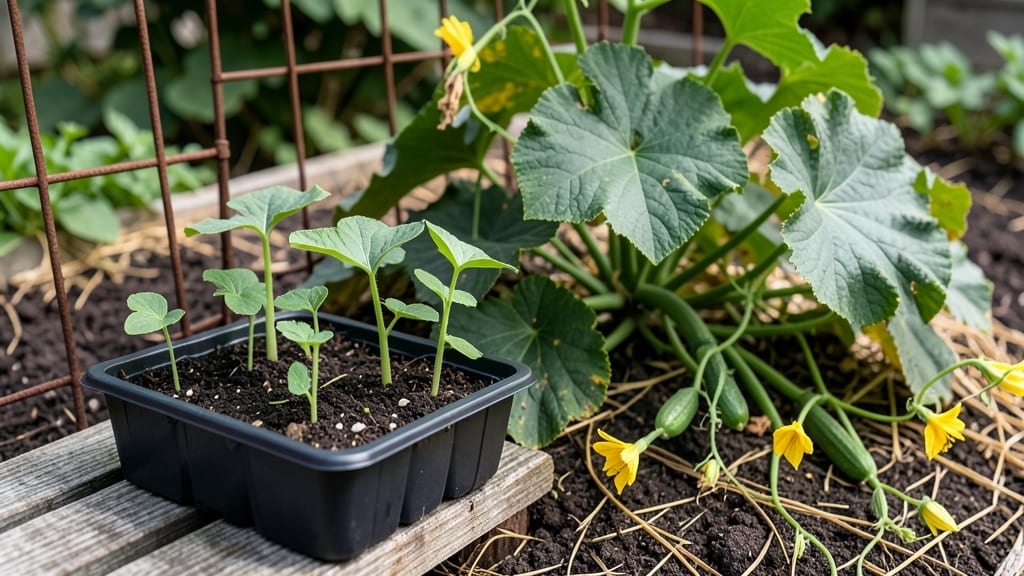
Plant cucumbers in New Hampshire after your last frost date — typically mid-May to early June — when soil temperatures hit 60°F and the air stays reliably above 50°F.
New Hampshire gardeners know timing is everything—plant cucumbers too early, and frost will kill them; too late, and your harvest shrinks. But with NH’s diverse microclimates (zones 3-6), figuring out the perfect planting window can feel like a guessing game.
Direct-sowing is easiest for 🥒 cucumbers in NH, but if you start indoors, transplant seedlings 1-2 weeks before your zone’s last frost date. The key is waiting for that 14-day stretch of warm weather, which turns a risky gamble into a reliable harvest.
Below, we’ll break down exact frost-free deadlines by zone, soil prep secrets, and how to beat NH’s short growing season with pro tips like row covers and heat-tolerant varieties.
New Hampshire cucumber planting deadlines by hardiness Zone (3-6)
New Hampshire’s cool springs and short growing seasons demand precision when planting cucumbers. Unlike heat-loving southern varieties, NH cucumbers need to wait for consistent soil temperatures above 55°F—a rule that varies dramatically across zones 3 through 6.
In my Zone 5a garden, I’ve learned that planting too early means sad, frost-nipped seedlings, while waiting too long cuts harvest time. Let’s break down the exact windows for your zone, including the 14-day warm stretch rule that NH gardeners swear by.
First, know that cucumbers are warm-season annuals that cannot tolerate frost. Even a light freeze will kill young plants, so timing is critical.
The average last frost date in NH ranges from May 10 in Zone 3 to May 25 in Zone 6, but these are just averages—your local microclimate (like a south-facing slope or urban heat island) can shift your window by 1-2 weeks.
Always check your local frost calendar or use a frost-free date predictor like the Old Farmer’s Almanac for real-time adjustments.
Here’s the golden rule: Plant cucumbers 2 weeks after your last frost date when soil temperatures hit 55°F+. This 14-day buffer ensures the ground stays warm enough for germination and seedling survival.
For example, if your last frost is May 15, aim for May 29—but verify soil temps with a soil thermometer (I use one every year to avoid surprises).
| Zone | Avg Last Frost | Plant Window | Soil Temp | Method |
|---|---|---|---|---|
| 3 | May 10 | May 24–June 5 | 55°F+ | Transplant only |
| 4 | May 15 | May 29–June 10 | 55°F+ | Direct sow or transplant |
| 5 | May 20 | June 3–June 15 | 55°F+ | Direct sow preferred |
| 6 | May 25 | June 8–June 20 | 55°F+ | Direct sow or late transplant |
Note: Use row covers for Zone 3 to extend the season by 2–3 weeks.
For Zone 3 gardeners, transplanting is your best bet—start seeds indoors 4–6 weeks before your last frost (around April 1) and harden them off before setting them out.
In Zones 4–6, you can direct-sow seeds after your window opens, but I recommend soaking seeds overnight to speed germination in NH’s cooler soils. Pro tip: Plant seeds 1 inch deep and 12 inches apart in hills for better drainage and heat absorption.
If you’re growing bush varieties (like ‘Bush Champion’), you can squeeze in a second planting in early July for a late-summer harvest. Just use fast-maturing varieties (under 50 days) to beat the first frost in October.
I’ve had success with ‘Straight Eight’—it’s heat-tolerant and produces well into September if protected from late frosts with row covers.
One mistake I made early on was ignoring soil temperature and planting based solely on frost dates. Cucumbers won’t germinate below 55°F, even if the air is warm. Invest in a $15 soil thermometer—it’s a game-changer.
Also, avoid planting in low-lying areas where cold air pools, as these spots can stay 10°F cooler than your garden’s average. Raised beds or south-facing slopes warm up faster and are ideal for cucumbers.
For transplants, buy 6-inch seedlings from a local nursery (avoid big-box stores—their plants are often leggy). Acclimate them outdoors for 3–5 days before planting, and water deeply the day before transplanting to reduce shock. In my Zone 5 garden, I’ve found that mulching with straw
5 Pro tips to extend your NH cucumber growing season
New Hampshire’s short growing season can make cucumber gardening feel like a race against time, but with the right strategies, you can push harvests earlier or later. Cold frames and row covers are my top tools for beating frost, while succession planting ensures a steady supply.
Even our unpredictable spring showers don’t have to derail your plans—just a few adjustments can make all the difference.
For gardeners in colder zones (like Zone 3), starting seeds indoors 4-6 weeks before your last frost date gives seedlings a head start. I’ve had great success with heat-tolerant varieties like ‘Straight Eight’ and ‘Marketmore 76’, which thrive even when temperatures dip slightly.
These varieties also handle NH’s humid summers better than traditional types.
- 1 Use cold frames to start seeds 3-4 weeks earlier than your last frost date. Place them in south-facing spots to maximize warmth.
- 2 Row covers extend harvests by 2-3 weeks in fall. Secure them tightly to prevent pests while allowing airflow.
- 3 Succession plant every 2 weeks after your last frost. This ensures continuous harvest windows from July to September.
- 4 Choose heat-tolerant varieties like ‘Straight Eight’ or ‘Marketmore 76’. They handle NH’s humidity and produce even in 75°F+ heat.
- 5 Mulch heavily to retain moisture during NH’s unpredictable spring showers. Use straw or black plastic to keep soil temps stable.
One of my favorite tricks is using black plastic mulch in early spring. It warms the soil faster than bare earth, helping cucumbers germinate 5-7 days earlier.
Pair this with a row cover for extra insulation, and you’ll have vines ready to climb trellises by early June—just in time for the peak growing season.
Don’t overlook late-season varieties either. ‘Sweet Success’ and ‘Bush Champion’ are bred to mature quickly and handle cooler temps. I’ve planted these as late as July 1st in Zone 5 and still gotten a small but sweet harvest before frost.
Just be prepared to protect them with frost blankets if temps drop unexpectedly.
Finally, trellising isn’t just for aesthetics—it improves airflow and reduces disease risk in NH’s damp climate. I use 5-foot tall trellises for bush varieties and 8-foot stakes for vining types. This keeps cucumbers off the ground, where spring showers can spread fungal spores. Plus, it saves space in small gardens!
With these strategies, you’ll turn NH’s challenges into opportunities. Whether you’re battling late frosts or early chills, a little planning goes a long way toward a bountiful cucumber harvest—no matter your zone. 🌱🥒