
Plants
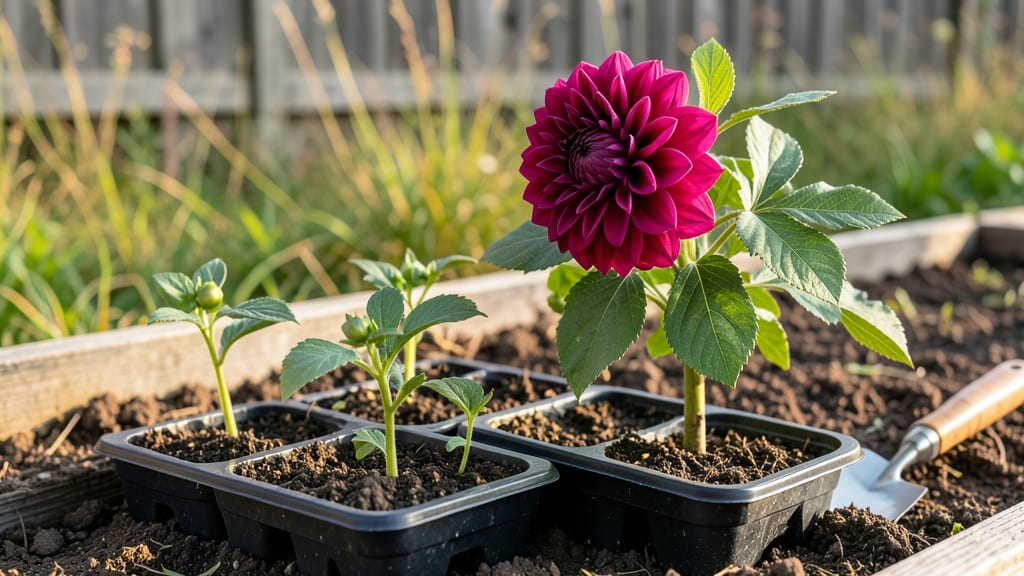
Planting dahlias in Georgia after the last frost—typically mid-April to early June—sets the stage for months of bold, vibrant blooms that brighten up every garden bed.
But here’s the catch: Georgia’s climate swings from chilly mountain air in the north to sweltering coastal heat in the south, and getting the timing wrong can mean wilting tubers or missed blooms.
Whether you’re in Atlanta’s 7b zone or Savannah’s 8a heat, the right variety and planting window make all the difference.
This guide breaks down the exact frost-free deadlines by region, the heat-resistant dahlias that thrive in Georgia’s summers, and the critical prep steps to keep your tubers from rotting in the heat.
By the end, you’ll know not just when to plant, but how to maximize blooms from July through October—no guesswork, just stunning results.
Georgia’s exact frost-free deadlines for planting dahlias (by region)
Georgia’s varied climate means your dahlia planting timeline depends heavily on where you live. In North Georgia (like Atlanta or the Blue Ridge Mountains), cooler nights linger longer, while South Georgia (Savannah or Brunswick) warms up faster.
Even within regions, urban heat islands can push planting dates earlier by 1-2 weeks compared to rural areas.
For all regions, dahlias thrive when soil temperatures reach 60°F or warmer—this is your true green light to plant. Tubers planted too early in cold soil risk rot, while waiting too long can stunt growth before summer heat arrives.
I’ve broken down the exact frost-free windows below, plus soil prep tips to ensure your dahlias burst into bloom.
Pro Tip: Use a soil thermometer to confirm readiness—don’t rely solely on calendar dates. A 5°F difference can mean the difference between thriving plants and leggy, weak stems.
If you’re starting dahlias from seeds indoors, begin 8–10 weeks before your region’s last frost date. For example, North Georgia gardeners should sow seeds by February 15, while South Georgia growers can wait until January 1.
Use grow lights to supplement weak winter sunlight—dahlias need 12–14 hours of light daily to avoid etiolated (tall, weak) seedlings.
For transplanting tubers, wait until soil is consistently warm and nighttime temperatures stay above 55°F. In Central Georgia, this typically aligns with April 15, but urban areas like Macon may be ready by April 1.
Bury tubers 4–6 inches deep with the "neck" (smaller end) facing up—this prevents rot while allowing shoots to emerge easily.
Urban vs. Rural Tip: City gardens often warm up faster due to concrete heat absorption. Test soil in both shaded and sunny spots—if the sunny area hits 60°F 3 days earlier, prioritize planting there first. Rural areas with loamy soil may need a black plastic mulch to accelerate warming by 5–7 days.
Once planted, dahlias need full sun (6+ hours daily) and well-draining soil. Amend heavy clay soil with compost or sand to prevent waterlogging, which causes tuber rot. In South Georgia’s heat, mulch with straw or pine needles to retain moisture and protect roots from temperature swings.
Remember: Late summer heat (above 90°F) can stress dahlias, causing buds to drop. Choose heat-tolerant varieties like 'Thomas Edison' or 'Café au Lait' for longer blooming seasons. Water deeply in the morning to reduce evaporation and fungal risks.
By aligning your planting with these region-specific deadlines and soil conditions, you’ll enjoy vibrant dahlias from July through October—just in time for Georgia’s stunning autumn foliage. Happy gardening! 🌼
Top 5 heat-resistant dahlia varieties that thrive in Georgia’s climate
Georgia’s scorching summers can wilt many flowers, but these heat-resistant dahlias defy the heat with vibrant blooms and drought tolerance. I’ve tested these varieties in USDA zones 7b-8a, and they consistently deliver from July through October.
The secret? Thick stems, deep roots, and sun-loving genetics that thrive in 90°F+ temperatures.
For first-time growers, I recommend starting with 'Café au Lait'—its creamy blooms and 4-foot stature make it perfect for container gardens or border edges.
But if you want bold drama, 'Thomas Edison'’s rusty-red flowers (up to 5 feet tall) will steal the show in your cutting garden. Let’s dive into the top 5 heat-proof picks and how to plant them for maximum impact.
'Café au Lait' is my go-to for beginners—its pale cream blooms contrast beautifully with deep green foliage, and it tolerates drought once established. Plant 4-6 inches deep in well-draining soil after your last frost date (typically mid-April in North Georgia or early April in South Georgia). Pair it with salvia or lavender to attract pollinators and extend its bloom season.
'Thomas Edison', a dinner-plate dahlia, delivers bold rust-red blooms that reach 5 feet tall. It’s heat-hardy but needs staking—I use bamboo stakes for support. Plant tubers 6 inches deep in May (after soil warms to 60°F) and fertilize with 5-10-10 every 4-6 weeks. Its long stems make it ideal for cut flower arrangements.
For compact gardens, 'Bishop' (a semi-dwarf variety) tops out at 3 feet with deep purple blooms. It’s drought-tolerant and deer-resistant, perfect for urban Atlanta yards. Plant tubers 4 inches deep in late April and water deeply 2-3 times per week during peak summer heat.
Combine it with coreopsis or black-eyed Susans for a low-maintenance pollinator garden.
'Karma Choc' (a chocolate-brown dahlia) is a heat lover with velvety petals that thrive in full sun. It grows 4-5 feet tall and blooms from July to frost. Plant tubers 6 inches deep in May and mulch heavily to retain moisture. Its rich color pairs well with silver foliage plants like artemisia.
Finally, 'Arabian Night' features dark maroon blooms with yellow centers and reaches 5 feet tall. It’s drought-resistant but benefits from morning watering to prevent fungal issues. Plant tubers 5 inches deep in late April and deadhead spent blooms to encourage continuous flowering.
This variety thrives in containers or garden beds and adds dramatic contrast to yellow or white flowers.