
Plants
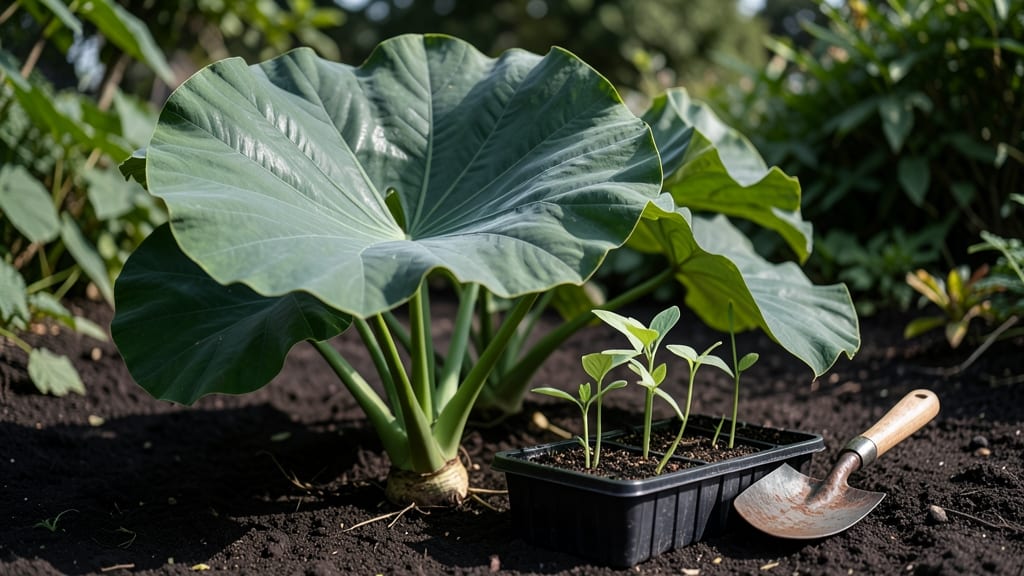
Plant elephant ears in Oklahoma after the last frost date and when soil reaches 65°F—typically mid-April through early June for bold, tropical foliage 🌿.
Oklahoma’s unpredictable spring weather can make or break your elephant ears (Colocasia) planting success—get the timing wrong, and you’ll miss the dramatic foliage these tropical plants are famous for.
Most gardeners in USDA Zone 6b-8a wait until late April to early May, when nighttime temperatures stay above 55°F consistently. Planting too early risks frost damage, while waiting too long means smaller, less vibrant leaves by summer.
Below, I break down the exact frost-free dates for Oklahoma City, Tulsa, and Norman, plus how to test soil readiness and adjust for containers or shadier spots.
Optimal planting windows for elephant ears in Oklahoma’s climate zones
Oklahoma’s USDA Zones 7a-8a create a unique challenge for growing elephant ears (Colocasia)—these tropical plants thrive when soil temperatures stay above 65°F, but Oklahoma’s spring can swing from freezing nights to scorching days in weeks.
Timing your planting right ensures your plants establish before summer heat arrives, giving them the best shot at those show-stopping, heart-shaped leaves.
Most Oklahoma gardeners aim to plant elephant ears between mid-April and early June, but this window shifts slightly depending on your city’s last frost averages.
For example, Tulsa (Zone 7b) typically sees its last frost around April 15, while Lawton (Zone 7a) might not be frost-free until mid-April. Meanwhile, Norman (Zone 7a) and Oklahoma City (Zone 7b) often align closer to April 20.
Here’s the critical rule: Wait until soil temperatures consistently reach 65°F+—not just air temperatures. A soil thermometer is your best friend here, as Oklahoma’s heavy clay soils warm up slower than sandy areas.
In urban heat islands like downtown Oklahoma City, soil may warm 1-2 weeks earlier than rural areas, so adjust accordingly.
Heatwaves can also throw off timing. If you plant too early—say, in late March—your tubers might rot in unpredictable cold snaps. Conversely, planting in June risks stunted growth before Oklahoma’s first frost in mid-November.
Balance is key: aim for late April to early May for most of the state.
| City | USDA Zone | Avg. Last Frost | Soil Temp Trigger | Optimal Planting Window | Heatwave Tip |
|---|---|---|---|---|---|
| Oklahoma City | 7b | April 20 | 65°F+ (late April) | Late April–May 10 | Use shade cloth if planting early |
| Tulsa | 7b | April 15 | 65°F+ (early April) | Mid-April–May 5 | Mulch heavily to retain moisture |
| Norman | 7a | April 20 | 65°F+ (late April) | Late April–May 15 | Choose heat-tolerant varieties like 'Black Stem' |
| Lawton | 7a | April 10 | 65°F+ (mid-April) | Mid-April–May 1 | Plant in raised beds for faster warming |
For container gardening, you can push planting dates slightly later—even into early June—since pots warm up faster. However, direct-sown tubers in the ground need that 65°F soil to avoid rot.
If you’re in Zone 8a areas (like far southern Oklahoma), you might even try planting as early as mid-March, but monitor weather closely.
Pro tip: Stagger your planting if you’re unsure about timing. Plant a few tubers in late April and others in early May to extend your display. This also helps if a late frost hits—you’ll still have some established plants to recover.
Just avoid planting after May 15, as Oklahoma’s summer heat can stress young tubers.
One common mistake is relying solely on air temperature rather than soil temperature. Even if daytime highs hit 80°F, nighttime lows can drop below 50°F, shocking your plants. Use a soil thermometer or the <
Signs your Oklahoma soil is ready for elephant ears (beyond just dates)
Relying solely on calendar dates can backfire in Oklahoma’s volatile spring weather. Instead, focus on soil temperature and moisture conditions—these are the true indicators your elephant ears (Colocasia) are ready to thrive.
I’ve learned the hard way that planting too early, even when the calendar says it’s safe, can stunt growth or worse, kill tender tubers.
Start by testing your soil’s warmth with your bare hand. Press your palm about 2 inches deep—if it feels warmer than your wrist but not scorching, your soil is likely between 65°F and 70°F, perfect for planting.
For precision, use a soil thermometer to confirm the temperature has consistently stayed above 60°F for 3-5 days. This consistency is crucial in Oklahoma’s USDA zones 7a-8a, where nighttime temperatures can still dip unexpectedly.
⚠️ callout warning ⚠️
Oklahoma’s late rains or cold snaps can push back planting by weeks. If your soil isn’t ready by mid-April, opt for container gardening—potted elephant ears can be planted 2-3 weeks later once soil warms, and you can move them indoors during unexpected chills.
For heavy clay soils (common in Oklahoma), amend with 2-3 inches of compost or aged manure to improve drainage and warmth retention. Mix in perlite or coarse sand if your soil feels compacted when squeezed.
Next, check moisture retention—elephant ears despise soggy soil but won’t survive drought either. After a steady rain or deep watering, dig a small hole and feel the soil at the bottom.
If it’s damp but not wet, your soil holds moisture well. If it’s bone-dry, you’ll need to water more frequently or plant in a shadier, moister spot until the ground warms further.
Oklahoma’s heavy clay soils can be tricky—amend them with organic matter like leaf mold or well-rotted compost to break up compaction. I’ve had the best luck with elephant ears in beds where I’ve mixed in 50% topsoil and 50% compost.
This not only warms the soil faster but also helps retain moisture during Oklahoma’s scorching summers.
If you’re still unsure, try the "sock test": Bury a damp sock in the soil for 24 hours. Dig it up—if it’s cool to the touch but not cold, your soil is ready.
This DIY trick saves me from guessing and ensures my elephant ears get a strong start. For extra insurance, mulch heavily with straw or shredded leaves to lock in warmth and moisture.
Remember, elephant ears are tropical plants at heart—they’ll forgive a late start but won’t bounce back from frost or cold soil. When in doubt, wait a week or two. Your patience will pay off with bold, lush foliage that steals the show all summer long. 🌿