
Plants
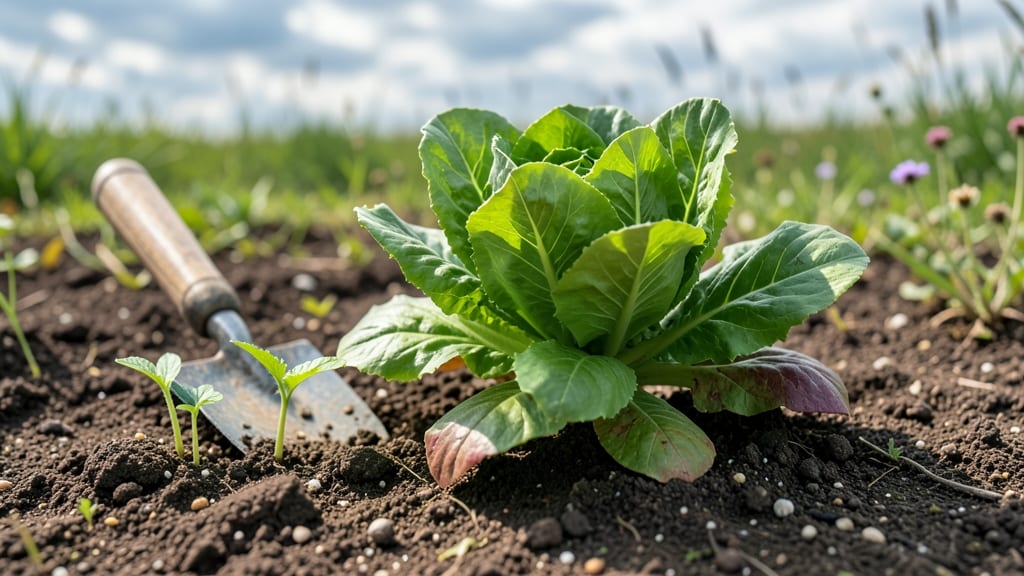
Planting fall lettuce in Zone 6 between mid-August and mid-September is the key to crisp, homegrown greens before frost hits.
Timing your fall lettuce planting in Zone 6 can mean the difference between crisp, homegrown greens and bitter, bolted disappointment—soil temperatures hold the secret to success. Too early, and the heat turns your seedlings into sad, wilted shadows. Too late, and frost steals your harvest before you even taste it.
In Zone 6, where the first frost typically arrives around mid-October, you’ve got a tight window to get those 🥬 seeds in the ground and growing strong.
But don’t stress—this guide breaks down exactly when to plant, how to read your soil’s temperature cues, and which varieties thrive in cooler fall weather.
You’ll learn how to time your planting for fast growth, avoid common mistakes like overcrowding or heat stress, and even stretch your harvest with succession planting. Ready to grow lettuce that’s sweeter and more reliable than anything from the store?
Perfect soil temperature ranges for fall lettuce planting in Zone 6
Getting your fall lettuce off to the right start in Zone 6 depends entirely on soil temperature. Unlike spring planting, fall lettuce thrives in cooler soil—too much heat triggers bolting, while too little slows growth.
The sweet spot? 60°F to 80°F, but with different ranges for germination vs. growth. Let's break it down so you can time your planting like a pro.
First, focus on germination temperatures—this is when your seeds finally wake up and push through the soil. For lettuce, you'll want soil temps between 70°F and 80°F. If it's cooler than 65°F, germination slows dramatically, and seeds may rot before sprouting.
In Zone 6, this typically happens in late July to early August, but urban areas can run 5-10°F warmer than rural spots due to heat islands.
Once your lettuce seeds sprout, the ideal growth temperature range drops to 60°F to 70°F. This cooler soil prevents bolting (when lettuce turns bitter and flowers) and encourages tender, crisp leaves. If temps stay above 75°F for extended periods, your lettuce will bolt faster than you can say "pesto."
That's why late summer plantings often need shade cloth or afternoon shade to keep soil temps in check.
How to test soil temperature accurately—don't guess! Use a soil thermometer (they're cheap and lifesavers). Stick it 2 inches deep in the soil (where seeds will be) and check temps at 10 AM when soil is warmest. If you're planting in raised beds, temps can be 5-8°F warmer than in-ground soil, so adjust accordingly. Pro tip: Morning planting helps seeds stay cooler in hot afternoons.
Here’s the summary-table breaking down the critical soil temps for fall lettuce in Zone 6:
| Stage | Ideal Soil Temp (°F) | Zone 6 Window | Urban Adjustment |
|---|---|---|---|
| Germination | 70°F–80°F | Late July–Early August | Plant 1–2 weeks earlier |
| Seedling Growth | 65°F–70°F | Mid-August–Late August | Use shade cloth if >75°F |
| Mature Growth | 60°F–70°F | September–Early October | Extend season with row covers |
| Avoid Bolting | Below 75°F | Always | Plant in partial shade |
If you're gardening in an urban microclimate, soil temps can be tricky. Pavement and buildings absorb heat, making urban soil warmer by 5–10°F compared to rural areas. To counteract this, try planting in elevated beds with mulch (straw or shredded leaves work great) to insulate and cool the soil.
For container gardening, use black pots (they absorb heat) but move them to shadier spots by mid-afternoon.
For rural gardens, where temps drop faster, focus on late August plantings when soil cools naturally. If your area has early frosts (common in Zone 6b), opt for heat-tolerant varieties like 'Jericho' or 'Winter Density', which handle slightly warmer soil better.
Always check your last frost date—aim to plant 4–6 weeks before frost for a full harvest.
One common mistake? Planting too early in hot soil. If you sow lettuce in June or early July when soil is above 80°F, it’ll bolt before you can harvest. Instead, wait until late July when temps start dropping.
Another pitfall is overwatering in hot soil—this raises temps further. Water deeply in the morning and use drip irrigation to keep leaves dry and soil temps stable.
To maximize your fall lettuce success, test soil temps for a week before planting. If temps are too high, delay by 7–10 days or use shade cloth (30–50% shade). Remember, cool soil = sweet lettuce, while hot soil = bitter disappointment.
With these temps locked in, you’re ready to plant with confidence and enjoy homegrown greens all fall long. 🥬
Best planting windows in Zone 6: month-by-month calendar for fall lettuce
Getting your fall lettuce timing right in Zone 6 means avoiding the heat stress of summer while beating the first frost of October. The sweet spot? Planting between late July and early September when soil temperatures drop below 80°F but stay above 60°F.
This window ensures your leafy greens mature before cold snaps hit, giving you crisp harvests through November.
For successive harvests, I recommend planting in three waves: late July, mid-August, and early September. Each wave gives you 4-6 weeks of growth before frost, extending your harvest season.
Heat-tolerant varieties like 'Black Seeded Simpson' or 'Jericho' handle early plantings better, while 'Winter Density' thrives when sown closer to September.
- 1
Soil temp: 75°F-80°F | Best for: 'Romaine', 'Buttercrunch'
Action: Start seeds indoors or direct sow with shade cloth to prevent bolting. Use drip irrigation to keep soil moist.
- 2
Soil temp: 65°F-75°F | Best for: 'Leaf Lettuce', 'Lollo Rossa'
Action: Direct sow outdoors with 12-inch spacing. Apply mulch to retain moisture and cool roots.
- 3
Soil temp: 60°F-70°F | Best for: 'Winter Density', 'Arctic King'
Action: Use row covers to protect from light frosts. Harvest before 28°F temps to avoid damage.
- 4
Soil temp: 55°F-65°F | Best for: 'Cold-Hardy Varieties'
Action: Only plant hardy greens like 'Winter Density' with full frost protection. Expect slower growth.
Pro tip: Use a soil thermometer to confirm temperatures before planting. If your garden runs hotter (common in urban areas), opt for shade-tolerant varieties like 'Oakleaf' and water deeply in the morning to prevent stress.
Avoid planting after September 15th—your lettuce won’t mature before frost, leaving you with bitter, unharvestable leaves.
For continuous harvests, stagger plantings every 10-14 days from late July through early September. This ensures a steady supply of baby leaves and full heads throughout fall. Thin seedlings to 12-18 inches apart to prevent overcrowding, which leads to bolting and poor flavor.
Mulch with straw or shredded leaves to insulate roots and keep soil temperatures stable.
Remember, Zone 6’s first frost typically arrives around October 15th, but microclimates can shift this by 1-2 weeks. Check your local frost date averages and adjust accordingly. With this timeline, you’ll enjoy crisp, homegrown lettuce long after store-bought greens have wilted.