
Flowers
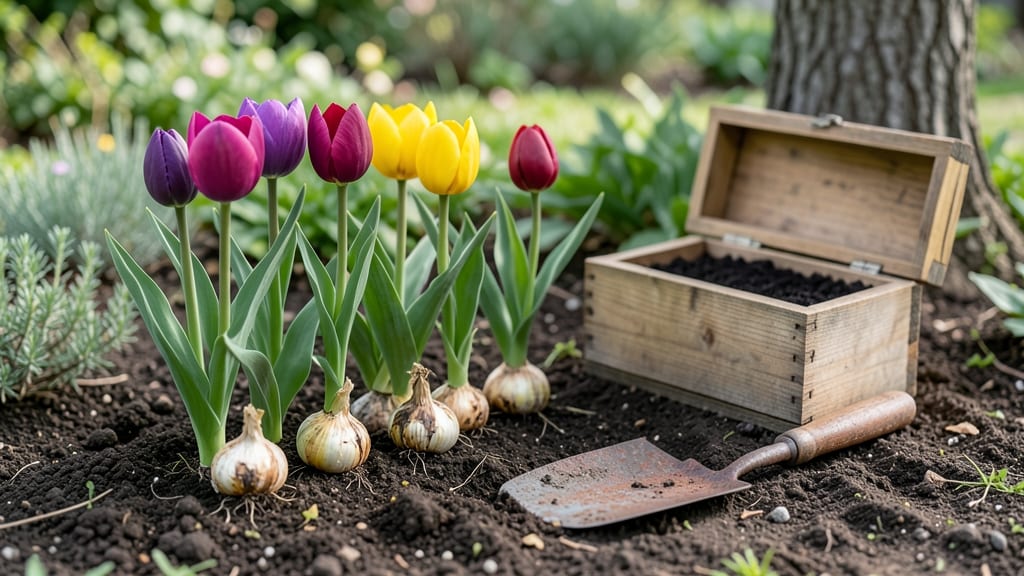
Planting flower bulbs in autumn sets the stage for next spring’s vibrant blooms 🌷 — but timing is the key to success.
Too early, and they’ll rot in the damp soil; too late, and they won’t root before winter’s chill. The difference between a thriving garden and wasted effort often comes down to knowing your zone’s last frost date and adjusting your schedule accordingly.
In USDA Zone 6a, like many northern gardens, the ideal window is 6-8 weeks before your first frost — typically late September to early October. But warmer climates (Zones 7-10) can plant as late as November, while colder zones (3-5) need to get them in by early September.
Below, I’ll break down the exact deadlines by zone, soil prep tips to avoid common mistakes, and which bulbs thrive when planted in fall. Ready to plan your garden’s spring show?
Autumn planting deadlines by USDA hardiness Zones: when to plant for maximum root growth
Getting your flower bulbs in the ground at the right time is the secret to vibrant spring blooms. Plant too early, and they’ll rot in warm soil; too late, and they won’t establish strong roots before winter.
The key? Understanding your USDA hardiness zone and soil temperature thresholds to create the perfect window for planting.
Most autumn-planted bulbs need 6-8 weeks of cool soil before the ground freezes. This gives roots time to grow while the bulb itself stays dormant. In colder zones, you’ll have a shorter window, while milder climates offer more flexibility.
Let’s break down the ideal planting deadlines by zone to ensure your bulbs thrive.
In Zones 3-4, where winters are harsh, aim to plant by mid-October at the latest. The ground freezes quickly, so bulbs like daffodils and tulips need every day they can to establish roots.
Use a soil thermometer to confirm temperatures have dropped below 60°F (15°C)—this signals it’s time to plant.
Gardeners in Zones 5-6 have a slightly longer window, but don’t wait too long.
By late October, the soil cools enough to protect bulbs from rot, but roots need time to grow. Alliums and crocus thrive here and can handle the transition to winter well if planted on time.
For Zones 7-8, where mild winters are common, you can plant as late as early November. The key is ensuring the soil stays cool but doesn’t freeze solid. Lily of the Valley and fritillaries love these conditions and reward you with early spring blooms if planted correctly.
In Zones 9-10, where winters are almost non-existent, you can plant flower bulbs as late as December. However, even here, aim for November to give roots a head start. Caladiums and rain lilies are perfect choices for these warmer climates.
Pro tip: If your autumn is unusually warm, delay planting until soil temperatures drop. Use a soil thermometer to avoid planting too early—warm soil can cause bulbs to sprout prematurely and rot. For colder-than-average years, plant earlier to extend the root-growth window.
Remember, the goal is to give your bulbs 6-8 weeks of cool soil before the ground freezes. This ensures they’ll wake up strong and ready to bloom next spring. Mark your calendar, check your zone, and get those bulbs in the ground at the perfect time!
Signs your autumn flower bulbs are ready to plant: soil, temperature, and moon phase tips
Autumn’s crisp air signals it’s time to tuck flower bulbs into the earth, but rushing can spell disaster. The key to success lies in reading your soil, temperature, and even the moon’s phases.
These three factors work together to create the perfect window for planting—one that ensures your bulbs establish strong roots before winter’s freeze. Let’s break down the practical signs that tell you it’s go-time for your daffodils, tulips, and crocuses.
First, check your soil temperature. Ideal planting conditions occur when soil temps hover between 50°F and 60°F. Use a soil thermometer to test a few inches deep—this mimics where your bulbs will nestle.
If the ground feels too warm (above 65°F), bulbs may sprout too early and get fried by a sudden frost. Conversely, if it’s below 40°F, roots won’t develop properly before dormancy kicks in. Aim for that goldilocks zone of cool-but-not-freezing.
🌱 Key Takeaways for Planting Flower Bulbs
✅ Pro Tip: Test soil moisture by squeezing a handful—it should hold together but not drip water. If it’s bone-dry, wait for rain or water lightly before planting.
Next, assess your soil moisture. Bulbs need consistent moisture to start rooting, but soggy soil invites rot. Dig a small hole and check the dampness—your fingers should come out with light moisture, not dripping wet. If your soil feels parched, water it thoroughly 1–2 days before planting.
Avoid planting after heavy rain, as waterlogged conditions can suffocate bulbs. A quick fix? Amend clay-heavy soil with compost or sand to improve drainage.
Don’t overlook the moon’s influence—it’s not just folklore! Planting during the waxing moon (when the moon is growing brighter) aligns with the natural root growth phase. Check a lunar planting calendar for your region; the best window is typically a few days before the full moon in autumn.
This ancient trick helps bulbs establish roots more efficiently, setting them up for vibrant spring blooms. Even modern gardeners swear by it!
Adjust your timeline if your autumn is unusually warm or cold. In mild-winter zones (8–10), you might plant as late as December, but in harsh climates (3–6), aim to finish by mid-October.
Watch your local frost forecast—bulbs need 4–6 weeks of cool soil to root before the ground freezes. If early frost is predicted, plant daffodils and crocuses first; they’re hardier than tulips or hyacinths. For extra protection, add a 2-inch layer of mulch after planting.
Finally, trust your gut instinct. If your soil feels too warm, bulbs may sprout prematurely. If it’s rock-hard from drought, roots won’t penetrate easily.
The perfect moment is when soil temp, moisture, and moon phase all align—usually in late September or early October for most of the U.S. Mark your calendar, set a reminder, and you’ll be ready to plant with confidence.
With these signs in mind, you’ll never second-guess your autumn planting again. Happy digging—your spring garden will thank you! 🌷