
Container Gardens
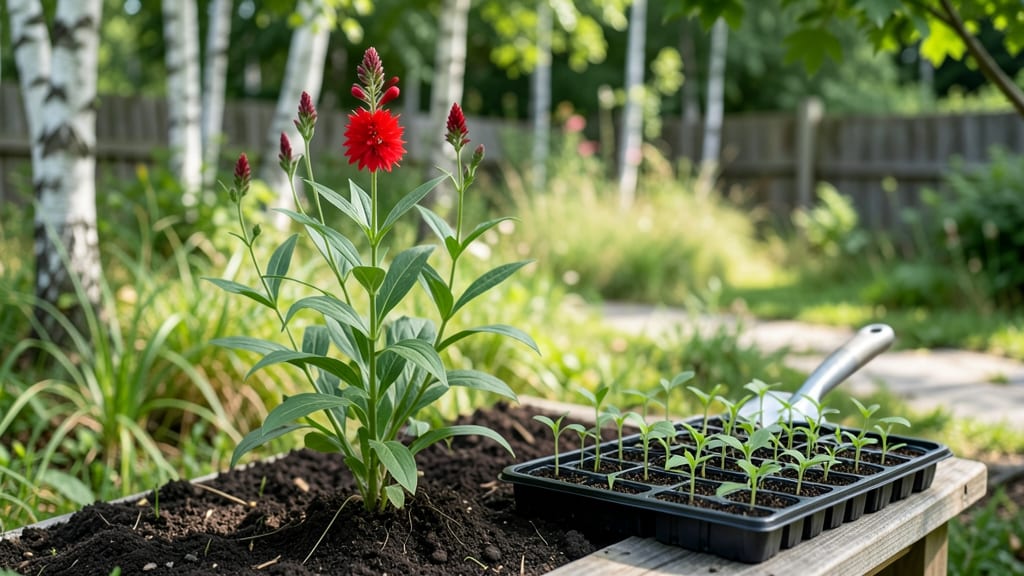
Planting your spring garden in Texas means timing it right to dodge frost and blazing summer heat — the key is knowing your region’s frost-free deadlines and heat-tolerant varieties.
Texas gardeners know timing is everything: plant too early and risk frost, too late and face scorching summer heat. But with the right heat-tolerant varieties and precise frost-free deadlines, you can grow a thriving spring garden even in the Lone Star State’s unpredictable climate.
From the Hill Country to the Gulf Coast, Texas spans 10 distinct planting zones, each with its own last frost dates and ideal planting windows. Whether you’re sowing cool-season crops like lettuce or heat-lovers like okra, getting the timing right makes all the difference.
Here’s how to pinpoint your exact planting window, choose the best heat-tolerant crops for your region, and outsmart Texas’s extreme weather for a bountiful harvest.
Texas spring planting deadlines by region: frost dates & last safe planting times
Texas spans 10 USDA planting zones, each with unique frost dates that dictate your spring planting schedule. In North Texas (Zones 7-8), gardeners face earlier frosts, while South Texas (Zones 9-10) enjoys extended growing seasons.
Knowing your last frost date ensures you plant cool-season crops early enough to avoid damage while warm-season plants get established before summer's heat peaks.
For most Texans, March marks the sweet spot for spring planting, but exact deadlines vary by 1-2 weeks depending on elevation and proximity to the Gulf.
Coastal areas like Houston and Corpus Christi can plant vegetables like okra as early as February, while El Paso and Lubbock must wait until April for warm-season crops to thrive. Let’s break down the critical planting windows by region.
| Region | USDA Zone | Avg. Last Frost | Cool-Season Deadline | Warm-Season Start | Key Crops |
|---|---|---|---|---|---|
| North Texas (Dallas/Fort Worth) | 7b-8a | March 15 | March 1-15 | April 15 | Lettuce, Peas, Broccoli |
| Central Texas (Austin/San Antonio) | 8a-8b | March 1 | February 15-March 1 | March 20 | Spinach, Kale, Tomatoes |
| East Texas (Tyler/Longview) | 7b-8a | March 10 | February 28-March 10 | April 1 | Green Beans, Carrots, Onions |
| West Texas (Lubbock/El Paso) | 7a-8a | March 25 | March 15-25 | April 30 | Peppers, Corn, Squash |
| South Texas (Houston/Corpus Christi) | 9a-9b | January 20 | January 1-February 15 | February 1 | Okra, Sweet Potatoes, Eggplant |
| Gulf Coast (Beaumont) | 9a | January 10 | December 15-January 15 | January 20 | Malabar Spinach, Peppers, Tomatoes |
🌡️ Pro Tip: Use a frost clock or local agricultural extension for real-time updates—Texas frost dates can shift ±10 days yearly.
If you’re in Zone 7 or colder (like the Texas Panhandle), prioritize hardy cool-season crops like kale and cabbage by planting them 6-8 weeks before your last frost. For example, in Lub
Best heat-tolerant spring vegetables for Texas gardens: what actually Thrives in 90°F+
When Texas spring temperatures climb into the 90°F+ range, most gardeners panic—but not you! The right heat-tolerant varieties can thrive under our blazing sun. These plants don't just survive; they produce abundantly when others wilt.
My top picks for your Texas garden include okra, sweet potatoes, and malabar spinach, all proven winners in my own North Texas raised beds.
For best results, focus on warm-season crops that love the heat. These varieties handle 100°F+ temperatures with ease, making them perfect for Texas gardeners who want summer harvests without constant fuss.
The key is planting at the right time—after your last frost date but before the real summer heat sets in.
🌱
🌿 Texas Heat-Tolerant Spring Vegetables
- ✅ Thrives in 90°F+
- ✅ 60-65 days to harvest
- ✅ Companion plants: Tomatoes, peppers, corn
- ✅ Drought-tolerant once established
- ✅ 100-120 days to harvest
- ✅ Plant slips after last frost
- ✅ Heat-loving vine (not true spinach)
- ✅ 60-90 days to harvest
- ✅ Avoid frost—plant after April 15
- Lettuce (bolts quickly)
- Peas (struggle in heat)
- Broccoli (prefers cooler temps)
For okra, I start seeds indoors 4-6 weeks before your last frost date, then transplant after April 1 in most of Texas. My favorite variety is 'Clemson Spineless'—it handles heat like a champ and produces pods up to 6 inches long.
Pair it with basil or marigolds to repel pests naturally.
Sweet potatoes are my go-to for summer harvests. I plant slips (young plants) after Memorial Day when soil temps hit 65°F+. My secret? Mulch heavily with straw to retain moisture and keep roots cool.
These tubers grow best in loose, sandy soil, so amend with compost before planting.
Malabar spinach is a game-changer for Texas gardens. Unlike traditional spinach, it loves the heat and produces tender leaves all summer. I plant it after May 1 in full sun, and it climbs like a vine—perfect for trellises or fences. Harvest leaves regularly to encourage bushier growth.
🌿
Pro tip: Always water deeply in the morning to reduce evaporation. For okra and sweet potatoes, aim for 1-2 inches of water per week. And remember—shade cloth (30-50%) can help during 100°F+ heatwaves while still allowing enough light for growth.