
Companion Plants
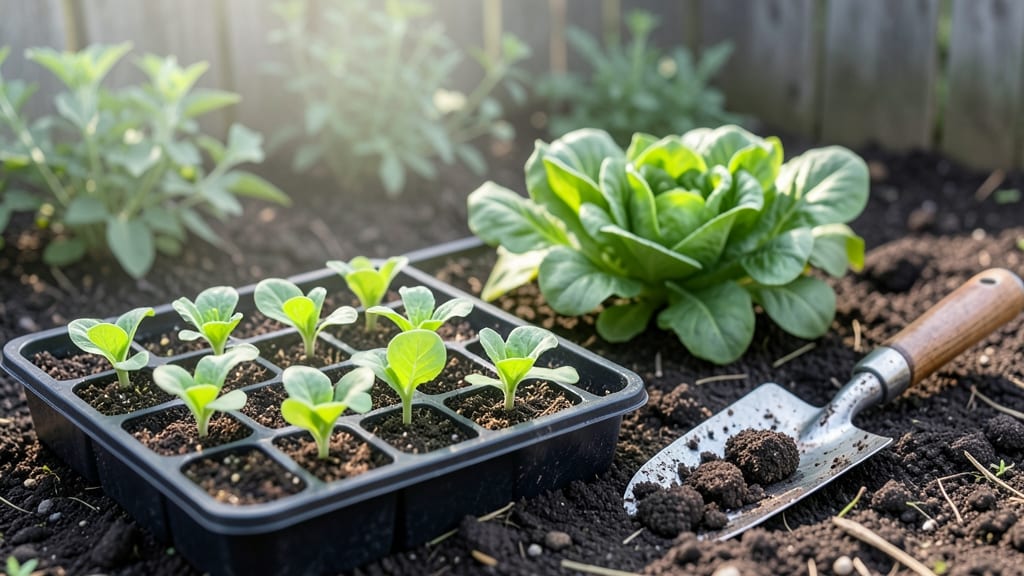
To plant spring vegetables in Pennsylvania at the perfect time means avoiding late frosts and maximizing your harvest—whether you're in Pittsburgh or Philadelphia, timing is everything.
Picture this: you’ve spent weeks nurturing seedlings indoors, only to watch them wither under a surprise frost. That’s why knowing your last frost date—and adjusting for Pennsylvania’s unpredictable spring swings—isn’t just helpful, it’s essential.
From cool-loving greens like spinach to heat-loving tomatoes, each vegetable has its own ideal window. Below, I’ll break down the exact month-by-month schedule for your USDA zone, plus how to stretch your growing season with row covers and backup dates.
You’ll leave here with a customizable planting calendar, frost-proofing tips, and a checklist of the best spring crops for your region—so you can finally stop guessing and start growing.
Pennsylvania planting zones & frost dates: when to start seeds indoors vs. outdoor
Pennsylvania spans USDA zones 4a through 7a, meaning your last frost dates can vary by 3-4 weeks depending on whether you're in Erie (zone 6a) or Philadelphia (zone 7a). Understanding these zones helps determine when to start seeds indoors vs. outdoors for spring vegetables.
For example, tomatoes need 8-10 weeks indoors before transplanting, while lettuce can go straight into cool soil.
Most of Pennsylvania experiences its average last frost between April 15 and May 15, but mountainous regions like the Poconos (zone 5a) can see frost until May 30.
Warmer southern zones like Lancaster (zone 6b) often see frost-free soil by April 20. Always check local almanac records or use frost probability maps for your specific area.
Here’s how Pennsylvania’s zones break down for spring planting timing:
For warm-season crops like tomatoes, peppers, and eggplants, starting seeds indoors is critical. In zone 4a, begin tomato seeds by March 1 for a May 15 transplant.
In zone 7a, you can wait until February 15 for the same timeline. Cool-season crops like lettuce and spinach tolerate frost and can be sown directly as soon as soil is workable.
Use row covers or cold frames to extend your planting window by 2-3 weeks in colder zones. For example, in zone 5a, you can start cabbage indoors by March 15 and transplant under cover by April 15, pushing your harvest earlier.
Always monitor soil temperatures—most seeds need 40°F+ for germination.
If you’re in zone 6a or warmer, consider planting fast-maturing varieties like bush beans or radishes as early as March for a quick harvest before summer heat sets in.
In zone 4a, focus on cold-hardy crops like kale and peas for early planting, then transition to tomatoes and peppers after the last frost.
Pro tip: Use a seedling heat mat to jumpstart germination for slow-starting seeds like peppers, which need 80°F+ soil. In zone 7a, you can even start pepper seeds by February 1 and transplant by April 1.
Always keep a planting journal to track your local frost dates and adjust future schedules.
For succession planting, sow lettuce and radishes every 2 weeks from March to June to ensure a continuous harvest. In zone 5a,
Best spring vegetables for Pennsylvania gardens: planting schedule by maturity type
Spring in Pennsylvania brings a mix of cool and warm-season vegetables, each with its own ideal planting window.
Understanding these differences helps you avoid frost damage while maximizing your harvest. Cool-season crops like spinach and peas thrive in early spring, while warm-season vegetables like tomatoes and cucumbers need to wait until soil warms.
Your planting schedule should align with Pennsylvania’s USDA zones 4a-7a, where last frost dates range from late April in southern regions to early June in the north. For a successful garden, start with cool-season crops in early spring and transition to warm-season plants as temperatures rise.
- 🌱 March-April: Direct sow cool-season crops like peas, spinach, and lettuce. Start transplants indoors for tomatoes, peppers, and eggplants.
- 🌱 April-May: Harden off indoor seedlings and transplant tomatoes, peppers, and basil after last frost. Direct sow radishes, carrots, and kale.
- 🌱 May-June: Plant warm-season crops like beans, cucumbers, and squash. Use succession planting for leafy greens to extend harvests.
- 🌱 June: Sow late-season crops like bush beans and zucchini. Monitor soil temperature—it should stay above 60°F for warm-season plants.
For cool-season vegetables, focus on early planting to avoid bolting (when plants flower prematurely). Spinach, peas, and kale can handle light frosts, making them ideal for Pennsylvania’s unpredictable springs. Start these seeds 4-6 weeks before your last frost date, or even earlier in containers for a head start.
Warm-season crops like tomatoes, peppers, and cucumbers need warmer soil and air temperatures. Transplant these after the last frost, typically mid-May to early June in most of Pennsylvania. If you’re in a cooler zone (like the Poconos), opt for early-maturing varieties or use row covers to protect young plants.
Succession planting is key for continuous harvests. For example, sow lettuce and radishes every 2-3 weeks from April to June. This ensures you always have fresh greens while the weather is cool.
For warm-season crops, stagger plantings of beans and cucumbers every 10-14 days to keep the harvest going through summer.
Pro tip: Use a garden journal to track planting dates and note any adjustments for future seasons. Pennsylvania’s climate varies by region, so what works in Philadelphia may not suit the cooler Poconos. Pay attention to microclimates in your garden—south-facing beds warm up faster and are perfect for early plantings.