
Plants
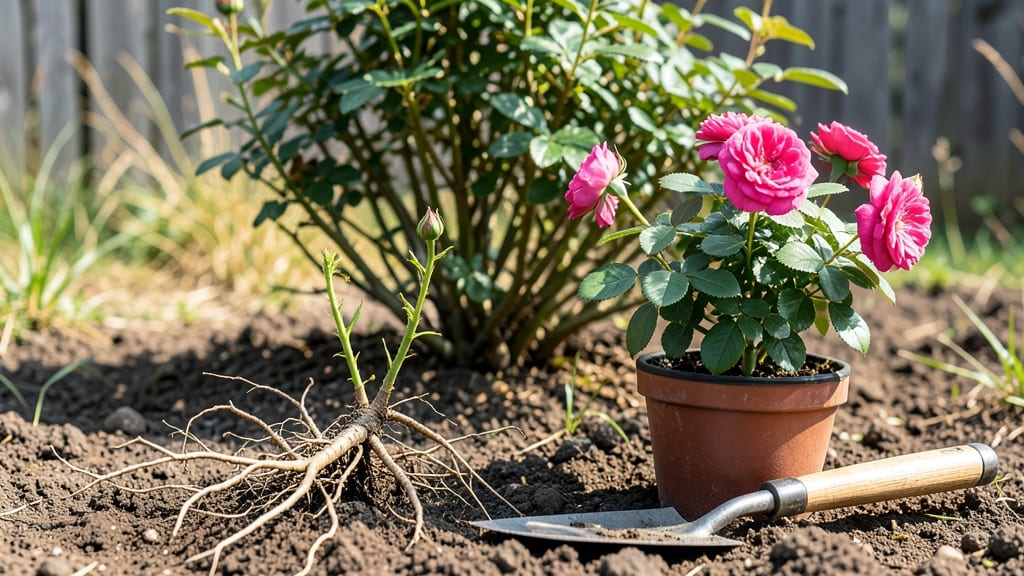
Planting knockout roses in North Texas at the right time ensures they thrive in USDA Zone 8a with minimal stress and maximum blooms.
North Texas gardeners know timing is everything—plant these 🌹 beauties too early, and they’ll struggle with heat stress; too late, and they won’t establish strong roots before winter. The secret lies in leveraging the mild winters and long growing season to give your roses the best possible start.
In this guide, I’ll walk you through the ideal planting windows for fall and early spring, how to prepare your soil for North Texas’s clay-heavy conditions, and the care tips that keep your knockout roses flourishing year after year.
Whether you’re prepping for a container garden in the city or planting directly into the ground, you’ll learn how to avoid common mistakes that ruin root growth and ensure your roses stay vibrant through Texas’s unpredictable weather.
Best planting months for knockout roses in North Texas (Zone 8b)
North Texas gardeners face a unique challenge with Knockout Roses—our Zone 8b climate delivers scorching summers and mild winters, making timing critical. Planting too early exposes roots to heat stress, while late planting risks weak root systems before winter dormancy.
The ideal window balances these extremes for maximum bloom potential.
For Zone 8b, I recommend two prime planting periods: fall (October-November) and early spring (February-March). Each offers distinct advantages, from cooler soil temperatures to reduced competition for water. Let’s break down why these months work best and how to align your planting with North Texas’s microclimates.
Soil temperature is the key factor—roots struggle when soil exceeds 80°F. In North Texas, summer heat pushes soil temps into the 90-100°F range, while fall and spring keep them in the 60-75°F zone, perfect for root establishment. Even microclimates vary: urban areas (like Dallas) stay warmer than rural Hill Country spots.
Here’s how to choose the best time for your location:
Fall planting gives roots a head start before winter chill sets in. In North Texas, aim for October 1-31—this window ensures roots establish before the first frost (Nov 15).
The cooler temps reduce transplant shock, and consistent fall rains (if they arrive) help hydration without overwatering risks.
For early spring planting, February and March are your best bets. By late February, soil temps typically stabilize below 70°F, and the last frost (Feb 15) has passed.
This timing lets roses bloom earlier in the season than late spring plantings, giving you 3-4 months of continuous flowers before summer heat.
North Texas’s microclimates play a huge role. In East Texas (like Tyler), fall planting works better due to higher humidity and cooler nights. Meanwhile, West Texas (like Lubbock) favors early spring to avoid the dryline heat that arrives by May.
Even within Dallas-Fort Worth, urban areas stay 5-10°F warmer than rural zones—adjust your timing accordingly.
Pro tip: Use a soil thermometer to monitor temps. Roots thrive when soil stays between 60-75°F—plant when temps dip below 80°F for 3 consecutive days. This simple tool prevents costly mistakes in our volatile Texas climate.
Container planting offers flexibility for urban gardeners. Since pots let you move roses to shadier spots during summer, you can plant year-round (though fall/spring still ideal). Just ensure containers have drainage holes and use well-draining potting mix to prevent root rot in North Texas’s clay-heavy soils.
Remember: Knockout Roses reward precise timing with non-stop blooms. Whether you choose fall or spring, align your planting with soil temps, local microclimates, and North Texas’s frost windows for roses that thrive year after year. 🌹
How to prepare your North Texas soil for knockout roses before planting
North Texas soils are famously heavy with clay, which can suffocate rose roots if not properly amended. Knockout Roses thrive in well-draining, nutrient-rich soil with a pH between 6.0 and 6.5. Without preparation, your plants may struggle to establish roots or produce the vibrant blooms they’re known for.
Let’s break down the essential steps to transform your clay-heavy soil into the perfect rose garden foundation.
Start by testing your soil’s pH and composition.
A simple home soil test kit (available at garden centers) will reveal whether your soil is too acidic or alkaline. Knockout Roses prefer slightly acidic soil, so if your test shows a pH above 6.5, you’ll need to add sulfur or peat moss to lower it.
If the pH is below 6.0, lime can help raise it gradually.
🌱 Essential Soil Prep Steps for Knockout Roses
- Test soil pH: Aim for 6.0-6.5 using a test kit.
- Break up clay: Till in 2-3 inches of compost to improve drainage.
- Add organic matter: Mix in aged manure or leaf mold for nutrients.
- Improve drainage: Incorporate perlite or coarse sand if soil is waterlogged.
- Loosen soil: Dig a hole twice as wide as the root ball.
- Mulch after planting: Use 2-3 inches of mulch to retain moisture.
Once you’ve adjusted the pH, focus on improving drainage. North Texas clay holds water like a sponge, leading to root rot if not amended. Mix in 2-3 inches of compost and 1 part perlite or coarse sand to every 3 parts soil.
This creates air pockets that help roots breathe. For even better results, consider planting in a raised bed if your yard has particularly dense clay.
Don’t overlook the importance of organic matter. Work in aged manure or leaf mold to boost nutrient levels and encourage microbial activity. These amendments also help the soil retain moisture without becoming waterlogged.
After amending, give the soil a few weeks to settle before planting. This allows the amendments to integrate fully and ensures your Knockout Roses have the best possible start.
When digging the planting hole, make it twice as wide as the root ball but only as deep. This encourages roots to spread outward rather than settling too deeply.
Gently loosen the roots of your rose if they’re circling the root ball, and place the plant so the graft union (a swollen area near the base) sits 2-3 inches above soil level. This prevents rot and ensures healthy growth.
After planting, apply a 2-3 inch layer of mulch around the base of the rose, keeping it 3 inches away from the stem. Mulch helps retain moisture, regulate soil temperature, and suppress weeds. Replenish mulch as it breaks down, and avoid piling it against the stem to prevent disease.
With these steps, your North Texas soil will be ready to support vibrant, healthy Knockout Roses for years to come. 🌹