
Flowers
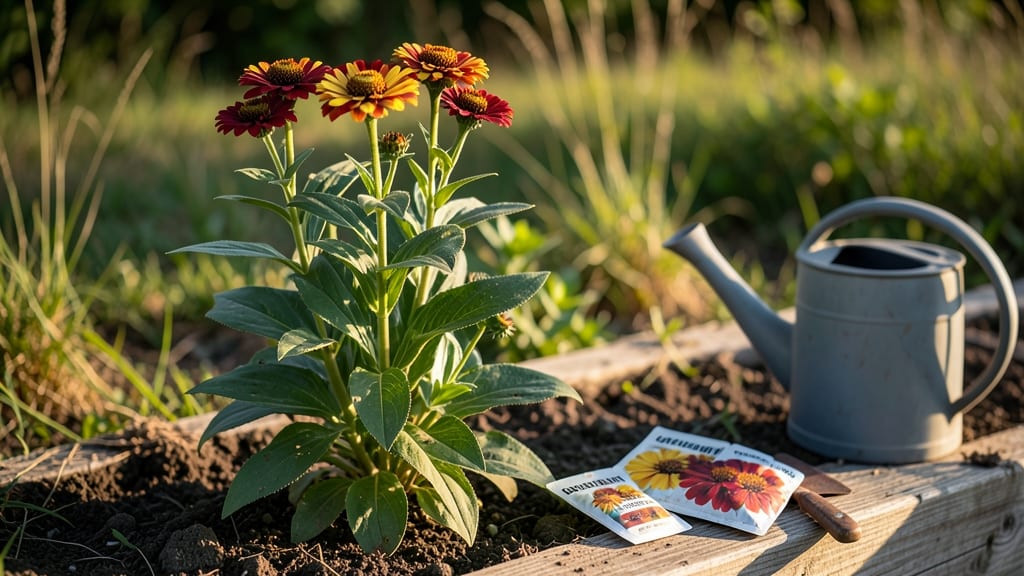
Planting flower seeds in Tennessee requires timing that matches your region’s last frost dates and microclimates 🌸—because a two-week window in Nashville can mean a month-long difference in Memphis.
If you’ve ever watched your delicate petunias wilt after a surprise frost or struggled to coax sunflowers to bloom before summer’s heat, you know how critical the calendar is.
Tennessee’s 6a-7b zones stretch from the Smoky Mountains’ chill to the Lowland Plains’ humidity, and those shifts can turn a perfect planting day into a gamble.
Here’s the game-changer: spring is your best bet for most flowers, but fall planting works for cool-season varieties like pansies, while tender annuals need a head start indoors. We’ll break down the exact weeks to plant by region, plus how to adjust for urban heat islands or mountain valleys.
By the end, you’ll know not just when to plant, but how to beat Tennessee’s tricky weather—so your garden thrives from April showers to October’s last golden blooms.
Tennessee’s flower seed planting zones: exact dates by region (2024)
Tennessee’s three distinct regions—East, Middle, and West—create unique planting windows for flower seeds. The Smoky Mountains’ higher elevations in East TN (Zones 6-7) often see frost linger until mid-April, while West TN’s Zone 7b-8 can plant marigolds as early as mid-March.
These differences mean your petunia seeds might thrive in Memphis but freeze in Knoxville if planted too soon.
For hardy perennials like black-eyed Susans or coneflowers, you can direct-sow seeds just before your last frost date. But frost-sensitive annuals such as geraniums or begonias need indoor starts 8-10 weeks before your region’s last frost.
My rule of thumb? Start tender annuals indoors in February for West TN and March for East TN.
Here’s the critical difference: East TN’s Zone 6a (e.g., Johnson City) has a last frost around April 15, while West TN’s Zone 8a (e.g., Memphis) typically sees its last frost by March 15.
That month-long gap means your zinnias could bolt in East TN if planted too early, while West TN gardeners might need to succession plant for continuous blooms.
For spring planting, I recommend direct-sowing marigolds as soon as soil reaches 55°F—typically 2-3 weeks after your last frost.
In East TN, that’s often late April, while West TN gardeners can start by mid-March. Petunias and geraniums, however, need warmer soil (60°F+), so wait until mid-May in cooler zones.
Fall planting offers a second chance for cool-season flowers like pansies or snapdragons. Seed these 8-10 weeks before your first frost—typically late August in East TN and early September in West TN.
My go-to varieties for fall include cosmos and zinnias, which thrive in cooler temps and add late-season color before winter sets in.
Pro tip: Use row covers or cold frames to extend your spring planting window by 2-3 weeks in Zone 6a areas. I’ve successfully grown calendulas under covers as early as mid-March in East TN, giving me blooms weeks ahead of the average timeline.
Just remove covers when nighttime temps stay above 40°F consistently.
Don’t overlook succession planting for continuous blooms. In West TN’s longer growing season, I sow bachelor’s buttons every 2 weeks from March to June to ensure nonstop color through summer. In East TN, space sowings 3 weeks apart from late April to early June for the same effect.
One common mistake? Planting heat-loving flowers like sunflowers too early. In Zone 6a, wait until after May 1 when soil temps hit 65°F. Use a soil thermometer—it’s the only way to know for sure.
I’ve seen bolted sunflowers in East TN gardens planted in April because the soil was still too cool.
For perennials, timing matters less but still counts. Direct-sow black-eyed Susans in early spring (March-April) or early fall (August-September) for the best establishment. These hardy plants tolerate light frosts, so don’t rush—let them develop strong roots before winter.
Microclimate adjustments: when to plant in Tennessee’s urban heat islands vs. mountain valleys
Tennessee’s urban heat islands—like Nashville’s downtown—can feel 5–10°F warmer than nearby rural areas, while the Cumberland Plateau stays cooler due to elevation. These differences shift your flower seed planting windows by weeks, even months.
For example, impatiens thrive in Nashville’s heat but may struggle in the cooler Great Smoky Mountains without adjustments.
In urban areas, start heat-loving seeds like zinnias or sunflowers 2–3 weeks earlier than rural guidelines. Meanwhile, in mountain valleys, hold off until soil warms to 60°F+—often late April or May. Shade-tolerant flowers like black-eyed Susans adapt better to both extremes, but timing still matters.
| Microclimate | Spring Planting Window | Fall Planting Window | Sun Exposure Tip | Example Flowers |
|---|---|---|---|---|
| Urban Heat Island (e.g., Nashville) | Mid-March to early May | Late July to early Sept. | Use afternoon shade for tender seeds | Zinnias, Petunias, Marigolds |
| Mountain Valley (e.g., Cumberland Plateau) | Late April to June | Early Aug. to Sept. 15 | Maximize south-facing sun | Black-Eyed Susans, Coneflowers, Impatiens |
| Transition Zones (e.g., Chattanooga) | Late March to early May | Late July to early Sept. | Monitor soil temp with thermometer | Dahlias, Snapdragons, Cosmos |
For urban gardens, prioritize heat-tolerant varieties and extend seasons with reflective mulch to keep roots cool. In mountain areas, focus on cool-season flowers like pansies or sweet alyssum for early blooms.
Always check local frost dates—Nashville’s last frost averages April 15, while Bristol’s can linger until May 1.
Shade strategies also differ: Urban heat islands benefit from lattice trellises to filter harsh afternoon sun, while mountain gardens may need low-growing ground covers to warm soil faster. Test soil moisture weekly—urban areas dry out faster, while mountain soils stay damp longer.
Pro tip: Use black plastic mulch in cooler zones to warm soil 5–10°F faster, or white mulch in cities to reflect heat. Adjust watering too: Urban gardens need daily checks in summer, while mountain gardens may only need watering every 5–7 days.
By aligning your planting schedule with these microclimate rules, you’ll avoid wilted seedlings or stunted blooms—and enjoy nonstop color from spring to frost. 🌿