
Flowers
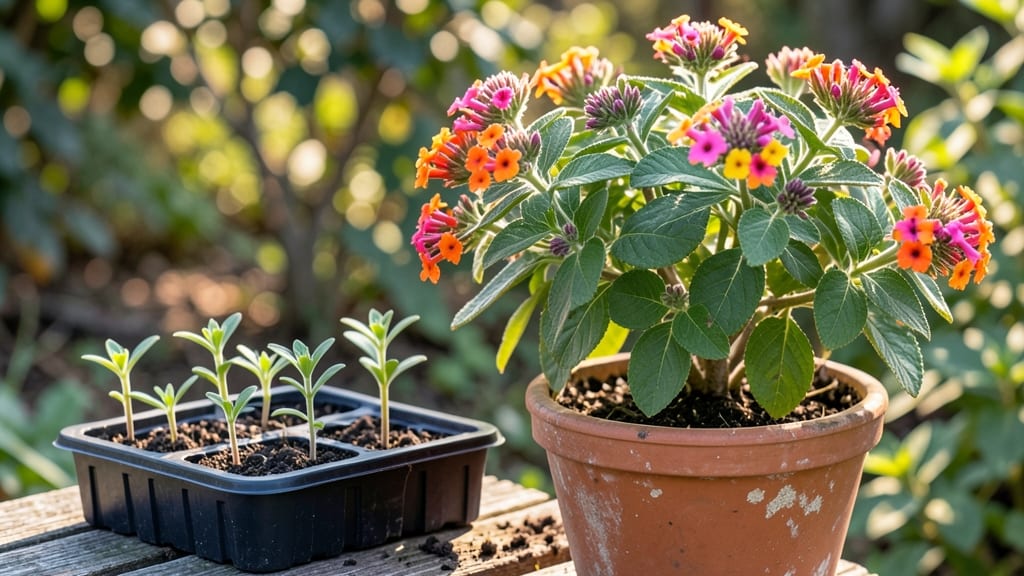
Planting flowers in North Texas at the right time means the difference between a garden that bursts with color and one that fades before summer.
North Texas gardeners know timing is everything—plant too early, and frost zaps your blooms; too late, and summer heat wilts them before they thrive. But with the right deadlines tailored to your microclimate, you can enjoy vibrant 🌸 flowers from spring to fall.
Spring is your best window, but fall planting can extend your blooms into winter. Whether you’re in Dallas, Fort Worth, or Waco, understanding your last frost date (February 15) and heat zones is key to avoiding common mistakes that kill gardens before they even start.
Below, I’ll break down the exact months to plant annuals, perennials, and bulbs—plus how to adjust for urban heat islands and rural cool spots—so you can maximize blooms without the guesswork.
North Texas flower planting calendar by month: frost dates, heat zones, and best seasons
North Texas gardeners face a unique challenge: short but intense growing seasons with swinging temperatures from freezing nights to 100°F+ days. The key to success? Planting at the right time—after the last frost but before summer heat sets in.
With USDA Zones 7b-8a, your last frost date typically lands around February 15, while the first frost arrives around November 15. This leaves a 210-day frost-free window—perfect for two planting seasons: spring (Feb-April) and fall (Sept-Oct).
Your local microclimate matters too. Urban areas like Dallas can be 5-10°F hotter than rural spots, while elevated gardens in Waco may experience earlier frosts. Adjust your schedule by 1-2 weeks based on your yard’s exposure.
For example, north-facing beds stay cooler longer, while south-facing spots dry out faster. Let’s break down the best month-by-month planting times for annuals, perennials, and bulbs to keep your garden blooming year-round.
Spring planting kicks off in February with cool-season bulbs like tulips and daffodils. These hardy plants can handle light frosts and often bloom by March.
By March 1, start annual seeds indoors for pansies and snapdragons, which thrive in cooler temperatures but wilt in summer heat. Transplant seedlings outdoors after your last frost date, typically around mid-February to early March, depending on your microclimate.
April is your last chance to plant heat-sensitive annuals like impatiens and petunias. After April 15, focus on drought-tolerant, heat-loving flowers such as lantana and zinnias.
These varieties can handle North Texas’ brutal summers with minimal water once established. Direct-sow seeds after May 10 to avoid early heat stress, and always mulch heavily to lock in moisture.
Summer blooms like Blackfoot Daisy and Salvia are workhorses of North Texas gardens. They handle full sun and occasional drought with ease, making them ideal for low-maintenance landscapes.
For extended summer color, interplant fast-growing annuals like cosmos every 4-6 weeks from June to August. These self-seeding varieties will keep your garden vibrant without constant replanting.
Fall planting begins in September with mums and asters, which love cool evenings and warm days. These perennials often rebloom into November if planted early. By October 15, tuck in fall-blooming bulbs like crocus and iris. These early spring risers
How to adjust planting times for North Texas microclimates: urban heat islands vs. rural cool spots
North Texas gardeners face a unique challenge: urban heat islands in cities like Dallas can be 10-15°F hotter than rural areas just 20 miles away. This temperature difference shifts your planting windows by 2-4 weeks, meaning what works in Fort Worth might fail in Waco or Denton.
Understanding these microclimates helps you extend spring planting, protect tender blooms, and choose the right heat-tolerant varieties for summer success.
Urban areas like Dallas and Arlington experience earlier soil warming due to pavement and buildings, while rural spots in Collin County stay cooler longer. For example, marigolds may thrive 2 weeks earlier in downtown Dallas than in a hill country microclimate.
The key is adjusting your schedule based on local frost risks and summer heat intensity—not just the USDA zone.
Here’s how to tailor your flower planting timeline to your specific microclimate, including protection strategies for late frosts and heat-resistant picks for summer blooms:
For urban gardeners, focus on heat-loving annuals like lantana or zinnias, which thrive in 90°F+ temperatures. These plants benefit from reflective mulches (like white gravel) to reduce soil heat.
In contrast, rural areas should prioritize perennials like black-eyed Susans or daylilies, which establish roots before summer’s intensity.
Protect tender plants in transition zones (e.g., suburban edges) with cloche covers or frost blankets until April 15. Monitor local weather alerts—Dallas’s average last frost is March 15, but rural areas can see frost into early April.
For summer planting, opt for heat-resistant varieties like Mexican sunflower or salvia, which bloom even when temps hit 105°F.
Adjust your watering schedule too: urban areas may need daily irrigation in summer, while rural spots can stretch watering to every 3-4 days. Mulch with straw or wood chips to retain moisture and regulate soil temperature—this makes a huge difference in microclimates where extremes swing wildly.