
Flowers
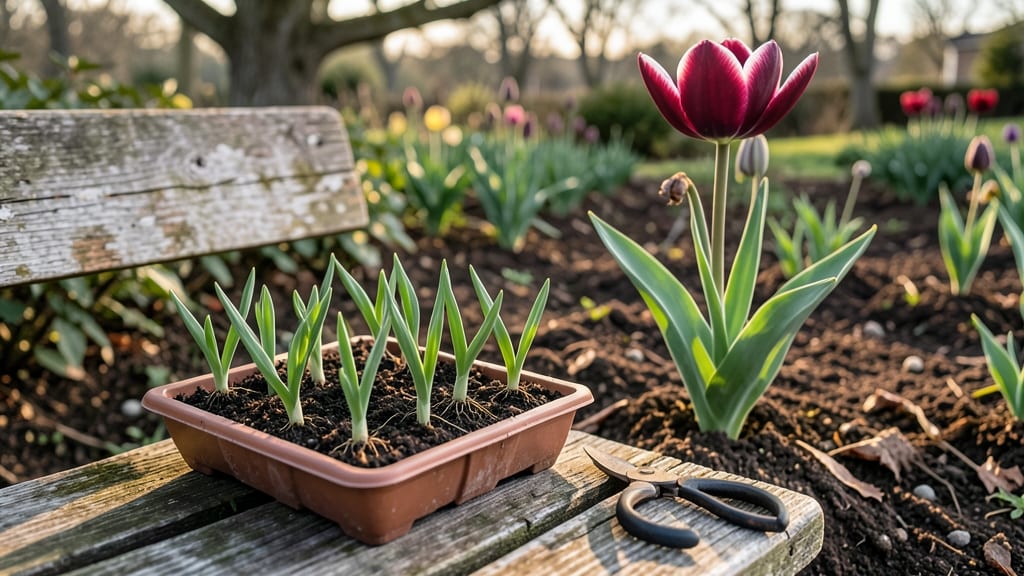
Planting flowers in Pennsylvania at the right time means the difference between a garden that bursts with color and one that struggles to take root.
Timing your flower planting wrong can mean wilting dreams—or thriving blooms. With the state’s diverse climate zones, knowing the exact microclimate-specific deadlines is the difference between a garden that dazzles and one that fades.
Whether you're planting annuals like petunias or perennials like peonies, getting the timing right is critical.
In Pennsylvania’s USDA Zones 5-7, most gardeners plant flowers after the last frost—typically around mid-April—but bulbs and cold-hardy varieties can go in much earlier. The key is understanding your local frost dates and adjusting for elevation or urban heat pockets.
Below, I break down the best planting windows by flower type, zone, and microclimate, plus pro tips to stretch your blooming season without risking frost. Let’s get those 🌸 thriving!
Pennsylvania flower planting deadlines by USDA hardiness zone
Pennsylvania spans USDA Zones 5a through 7a, meaning your last-frost dates can vary by 2-3 weeks from the Poconos to Pittsburgh. Heat-sensitive annuals like petunias need precise timing, while perennials like black-eyed Susans offer more flexibility.
Let’s break down the exact windows for each zone to avoid frost damage or missed bloom seasons.
In Zone 5a (northern PA), your average last frost date falls around May 10-15, while Zone 7a (southern PA) sees frost-free conditions by April 15-20. This 3-week difference means planting marigolds in late April could spell disaster in Erie but works perfectly in Philadelphia.
For spring-planted annuals, wait until 2 weeks after your local last frost to ensure roots establish before summer heat. Bulbs like tulips should go in the ground 4-6 weeks before first frost—typically September 15-October 1—to naturalize and bloom next spring.
Here’s your zone-by-zone planting timeline for annuals, perennials, and bulbs, including frost-sensitive varieties:
| Zone | Last Frost | First Frost | Annuals (After Frost) | Perennials | Bulbs (Fall) |
|---|---|---|---|---|---|
| 5a (Erie, Scranton) | May 10-15 | October 5-10 | May 25-June 1 | April 15-May 15 | September 15-October 1 |
| 5b (State College) | May 1-5 | October 10-15 | May 15-20 | April 1-May 10 | September 20-September 30 |
| 6a (Harrisburg) | April 25-May 5 | October 15-20 | May 10-15 | March 20-April 15 | October 1-October 15 |
| 6b (Lancaster) | April 15-20 | October 20-25 | April 30-May 5 | March 15-April 10 | October 10-October 25 |
| 7a (Philadelphia) | April 1-10 | October 25-November 1 | April 15-20 | March 1-April 5 | October 20-November 1 |
Heat-loving annuals like petunias and geraniums should be planted after May 10 in most zones to avoid late-spring frosts. In contrast, cold-hardy varieties such as pansies and snapdragons can handle
Microclimate adjustments: how elevation and urban heat islands shift planting times
Pennsylvania’s diverse geography creates dramatic differences in planting times—mountainous regions like the Poconos can have 2-3 weeks later last frost dates than urban areas like Pittsburgh. These microclimates aren’t just about frost; they affect soil warmth, sun exposure, and even wind patterns.
If you plant petunias in the city when your rural neighbor does, yours might bolt from heat stress while theirs thrives. Understanding these shifts lets you fine-tune your schedule for longer bloom seasons and healthier roots.
In elevated areas (1,000+ feet), cooler temperatures mean soil stays cold longer—often 3-5°F cooler than valley floors. This delays planting by 10-14 days for heat-loving annuals like marigolds or geraniums.
Meanwhile, urban heat islands (like downtown Pittsburgh) can push soil temps up by 5-10°F, letting you plant zinnias or cosmos 1-2 weeks earlier than rural guidelines suggest. Without adjustments, you risk stunted growth or premature wilting.
To account for soil temperature differences, use a soil thermometer—ideal planting temps for most flowers are 60–65°F. In cooler zones, consider black plastic mulch to warm soil 5–10°F faster.
Urban gardeners should avoid planting heat-sensitive flowers (like snapdragons) until mid-May, even if the calendar says "spring." Instead, opt for heat-tolerant annuals like zinnia or sunflower, which handle urban heat better.
Shade also plays a role: Mountain slopes may have more direct sun in summer, while urban canyons trap heat but block sunlight for lower-level gardens.
For perennials, timing matters less, but fall planting in urban areas can be risky due to delayed frosts.
Aim to plant peony tubers or daylilies by late September in cities, but wait until October in the Poconos. Succession planting becomes critical in microclimates: Sow fast-growing annuals like bachelor’s buttons every 2 weeks to stretch your bloom season.
This works especially well in warmer urban pockets, where you might squeeze in 3 harvests of nasturtiums instead of just two.
Pro tip: Observe your local plants—when dandelions bloom, it’s a sign your soil is warm enough for tomatoes and petunias. In cities, pigeon droppings can raise soil temps, so test your beds before planting.
For mountainous areas, wait until lilacs finish blooming (around May 15) before planting heat-loving annuals. These natural cues often beat calendar-based guidelines. With these adjustments, your garden will bloom earlier, longer, and more vibrantly—no matter where you live in Pennsylvania. 🌿