
Trees
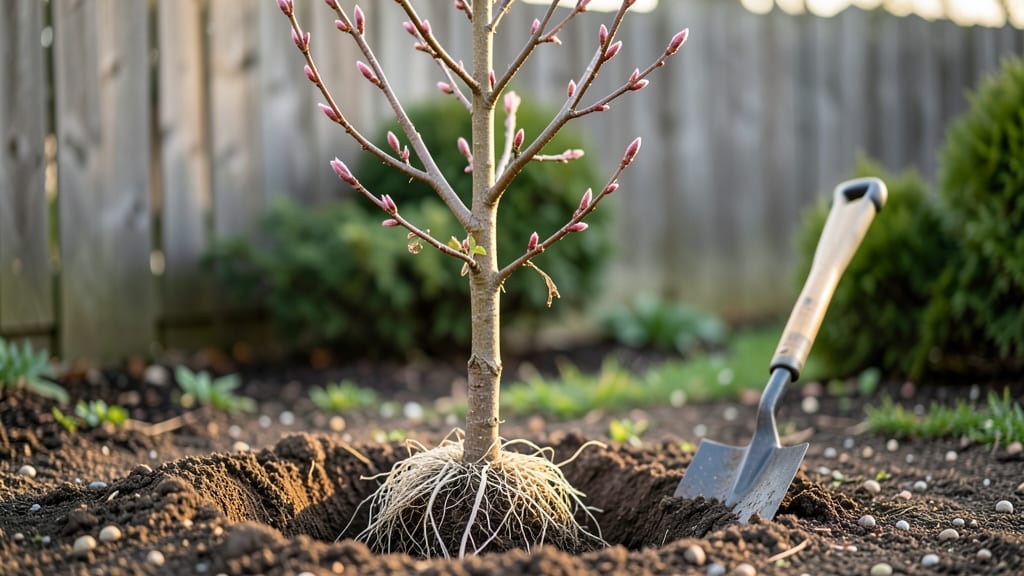
Planting fruit trees in Kentucky at the right time is the key to avoiding frost damage and ensuring strong root growth 🍎—aim for late winter to early spring or fall, when the soil is workable but the air stays cool.
Kentucky’s unpredictable spring frosts can turn a new orchard into a sad investment if you wait too long. Meanwhile, planting in fall gives roots a head start before winter dormancy, but the window is narrow—miss it, and you risk weak establishment.
Whether you’re adding a peach tree to your yard or restoring an old family apple orchard, the best months depend on your USDA zone (6a–7b) and the type of fruit you’re growing. Northern Kentucky’s colder microclimates demand earlier planting than the warmer Bluegrass region.
Below, I break down the exact planting windows for stone fruits, pome fruits, and citrus, plus how to tell when your soil is ready—and when to hold off.
Best planting months for fruit trees in Kentucky by variety
Kentucky’s USDA Zones 6-7 create a challenging but rewarding climate for fruit trees, where timing is everything. The key is planting during dormant seasons—either late fall (October-November) or early spring (February-March)—to avoid spring frost damage and give roots time to establish before summer heat.
Northern Kentucky’s earlier frosts (Zone 6a) demand earlier planting than southern regions (Zone 7b), where the window stays open slightly longer.
For stone fruits like peaches and cherries, Kentucky’s climate is ideal, but they’re frost-sensitive when blooming. Planting in late winter (February-March) ensures roots establish before buds break. Pome fruits (apples and pears), however, handle Kentucky’s late frosts better and can tolerate fall planting (October-November) with minimal risk.
Citrus, while rare in Kentucky, should only be attempted in microclimates with winter protection and planted in late spring (May) to avoid early frosts.
| Fruit Type | Best Planting Months | Key Considerations | Frost Risk |
|---|---|---|---|
| Stone Fruits (Peaches, Cherries, Plums) | February-March (bare-root) or April (container) | Plant before buds swell; avoid late spring planting | High (blooms in early spring) |
| Pome Fruits (Apples, Pears) | October-November (fall) or March-April (spring) | Fall planting preferred; spring planting must be early | Moderate (later blooms than stone fruits) |
| Citrus (Oranges, Lemons - Microclimates Only) | May (after last frost) | Requires winter protection; container-grown best | Very High (cannot tolerate frost) |
| Berries (Blueberries, Raspberries, Blackberries) | March-April (bare-root) or September-October (container) | Acidic soil required; plant early for establishment | Low-Moderate (varies by variety) |
If you plant stone fruits in late spring (May), you risk stunted root growth before summer heat arrives. I’ve seen peach trees planted in June struggle to establish, often requiring extra watering and mulching to compensate.
For apples and pears, fall planting is ideal because the cool soil temperatures reduce transplant shock, and roots can grow undisturbed until spring. Citrus lovers in Kentucky must accept that these trees are high-risk investments unless planted in sheltered microclimates like south-facing walls or greenhouses.
For berries like blueberries, Kentucky’s acidic soil needs (pH 4.5-5.5) are often overlooked. Plant in early spring (March-April) to give roots time to establish before the first harvest. Raspberries and blackberries can handle fall planting (September-October), but avoid late fall to prevent winter heaving from freeze-thaw cycles.
Always amend soil with peat moss or sulfur to meet their acidity requirements.
Northern Kentucky’s Zone 6a gardeners should plant 2-3 weeks earlier than those in Zone 7b to account for earlier frosts.
For example, peaches in Lexington (Zone 7a) can wait until early April, while peaches in Paducah (Zone 7b) might safely plant until mid-April. Soil temperature is your best guide—roots won’t grow well in cold soil (<50°F), so wait until the ground thaws.
Bare-root trees are cheaper and establish faster than container-grown, but they must be planted immediately upon arrival.
If you can’t plant right away, heel them in (bury roots temporarily) in a moist, shady spot until planting day. Container-grown trees offer more flexibility—plant them anytime the ground isn’t frozen, but avoid peak summer heat (June-August), which stresses roots.
One common mistake I see is planting too deep, which can strangle the tree by burying the graft union. The graft union (visible bump on the trunk) should sit 2-3 inches above soil level. After planting, water
How to avoid Kentucky’s common fruit tree planting mistakes
Planting fruit trees in Kentucky requires careful timing to avoid frost damage and poor establishment. Many gardeners make critical mistakes that lead to stunted growth or even tree death. The key is understanding your local frost dates and soil conditions, which vary across the state’s USDA Zones 6a-7b.
One of the biggest mistakes is planting too early in late winter or early spring before the last frost. Young trees are especially vulnerable to late-season frosts, which can kill new growth or even the entire plant.
Similarly, planting too late in summer or early fall gives roots insufficient time to establish before winter.
Kentucky’s heavy clay soils are another common pitfall. Poor drainage can suffocate roots, leading to root rot and poor nutrient uptake. Many gardeners overlook this issue, assuming their soil is suitable without testing it first. Amending soil with compost or planting on slight mounds can make a big difference.
Here’s what you need to watch for:
- Planting too early: New growth damaged by late frosts (avg. last frost: March 15)
- Ignoring soil drainage: Clay soils cause root rot if not amended
- Skipping dormant planting: Fall planting (Oct-Nov) gives roots 6+ weeks to establish
- Wrong rootstock: Incompatible rootstocks lead to poor graft union and weak trees
Pro Tip: Always check your local frost dates and amend soil with 4-6 inches of compost before planting.
Another frequent error is overlooking rootstock compatibility. Many nurseries sell trees with rootstocks that aren’t suited to Kentucky’s climate. For example, dwarfing rootstocks like M.9 may struggle in colder northern Kentucky, while standard rootstocks like Antonovka perform better in harsher winters.
Finally, many gardeners skip dormant-season planting, which is ideal for Kentucky. Planting in late fall (October-November) allows roots to establish before spring growth begins. This method reduces transplant shock and gives trees a head start. Look for bare-root trees in local nurseries, which are best for fall planting.
By avoiding these common mistakes—timing planting correctly, testing soil drainage, choosing the right rootstock, and planting in dormancy—you’ll set your fruit trees up for decades of healthy growth and abundant harvests. 🌳