
Planting
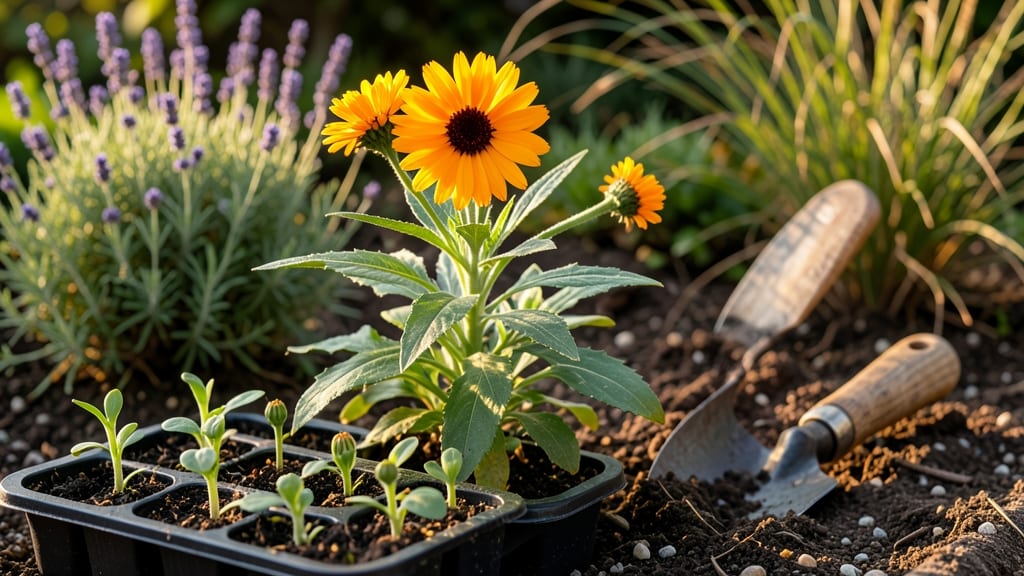
To plant a garden in Colorado at the best time means working with your USDA zone and elevation—because a wrong move here can turn your hard-earned seeds into frost bites or wilted dreams.
Colorado’s diverse climate—from high-altitude mountains to arid plains—means planting your garden at the wrong time can mean the difference between a bountiful harvest and a disappointing failure. Timing is everything, and getting it right depends on your specific USDA hardiness zone.
Whether you’re in the Front Range or the Western Slope, knowing when to start seeds indoors, transplant seedlings, or sow directly in the soil is the key to avoiding common pitfalls like late frosts or heat stress.
Below, I break down the exact planting windows for vegetables, flowers, and perennials by zone, plus adjustments for high-altitude gardening and native plants that thrive in Colorado’s unique conditions.
Colorado planting calendar by USDA Zone: exact dates for vegetables, flowers, and herbs
Colorado’s USDA Zones 4-7 create wildly different planting windows—Denver’s Zone 5 has a shorter growing season than Grand Junction’s Zone 7. Even within the same zone, elevation shifts frost dates dramatically.
For example, Boulder (Zone 5) might see its last frost in mid-May, while Fort Collins (Zone 4) could wait until late May. These variations mean your spring planting could fail if you don’t account for altitude.
To simplify, I’ve broken down cool-season crops (like kale and peas), warm-season crops (such as tomatoes and peppers), and perennial planting by zone. High-altitude areas (5,000+ ft) often need a 2-4 week delay compared to lower elevations.
Always check your local Cooperative Extension Service for precise frost dates—your garden’s success depends on it.
Pro Tip: Use row covers or cold frames to extend your spring planting window by 2-3 weeks in colder zones. For fall planting, start 6-8 weeks before your first frost to ensure crops mature before winter sets in.
🌱
| USDA Zone | Last Frost Date | First Frost Date | Cool-Season Planting (Spring) | Warm-Season Planting (Summer) | Fall Planting Window |
|---|---|---|---|---|---|
| Zone 4 (e.g., Fort Collins, Steamboat) | Late May | Mid-September | Mid-April (under cover) to Late May | Late May to Early June | Late July to Early August |
| Zone 5 (e.g., Denver, Colorado Springs) | Mid-May | Late September | Early April (under cover) to Mid-May | Early May to Mid-May | Early August to Mid-August |
| Zone 6 (e.g., Pueblo, Canon City) | Early May | Early October | Late March to Early May | Mid-April to Early May | Late July to Early September |
| Zone 7 (e.g., Grand Junction, Durango) | Late April | Mid-October | Early March to Late April | Early April to Mid-April | June to Late August |
*Adjust dates 1-2 weeks earlier for low-elevation areas (e.g., Western Slope) and later for high-altitude (e.g., 8,000+ ft).
For cool-season crops, like broccoli, carrots, and spinach, start seeds indoors 4-6 weeks before your last frost date. In Zone 4, that means mid-April for early planting, while Zone 7 gardeners can begin as early as late March.
Direct-sow hardy vegetables like peas and lettuce as soon as the soil is workable—usually 2-3 weeks before your last frost.
Warm-season crops, including tomatoes, peppers, and cucumbers, need warm soil (60°F+) to thrive. In Zone 5, wait until
How to adjust planting times for Colorado’s microclimates and elevation changes
Colorado’s dramatic elevation shifts—from 5,000 feet in Denver to over 10,000 feet in mountain valleys—create unique growing conditions that demand flexible planting strategies. A garden planted perfectly in Zone 5 might fail just 1,000 feet higher, where frosts linger weeks longer.
Even within cities, urban heat islands can push planting windows 2-3 weeks earlier than rural areas.
Wind exposure and soil warmth also play critical roles. High-altitude gardens often face stronger winds that dry out soil faster, while lower elevations may trap heat, stressing heat-sensitive crops like lettuce or spinach.
Adjusting your schedule isn’t just about dates—it’s about understanding how your specific microclimate interacts with your plants’ needs.
- High Elevation (6,000+ ft): Delay spring planting by 2-3 weeks (e.g., wait until mid-May for tomatoes). Use row covers to extend season.
- Low Elevation (5,000 ft): Plant warm-season crops by late April (e.g., peppers, squash). Monitor soil temps—50°F+ is ideal.
- Urban Heat Islands: Start heat-loving plants (okra, sweet potatoes) 1-2 weeks earlier than rural zones. Use shade cloth for delicate greens.
- Wind-Prone Areas: Plant windbreaks (e.g., corn, sunflowers) or use low-profile containers to protect seedlings.
- Succession Planting: In short seasons, sow fast-maturing crops (e.g., bush beans, radishes) every 2 weeks from May to July.
For succession planting, focus on cool-season crops like kale or carrots in late summer (August) for fall harvests. At 7,000+ feet, even hardy perennials may need winter protection—mulch heavily with straw or leaves to insulate roots.
Pay attention to soil temperature: a soil thermometer is your best tool for timing plantings accurately.
Wind exposure can also delay germination. If your garden faces consistent winds, opt for low-growing varieties (e.g., bush cucumbers over vining types) or create windbreaks with tall grasses or privet hedges.
In urban gardens, concrete and pavement can reflect heat, so prioritize shade-tolerant plants (e.g., swiss chard, basil) near buildings.
Pro tip: Use local frost date data from Colorado State University’s Extension Office to fine-tune your schedule. For example, Grand Junction (Zone 6) can plant 2 weeks earlier than Fort Collins (Zone 4). Track your garden’s performance yearly—what worked last year may need adjustments as climate patterns shift.
By accounting for these microclimate factors, you’ll transform challenging conditions into opportunities for longer harvests and hardier plants. Start small, observe, and adjust—your garden’s success depends on it! 🌱