
Plants
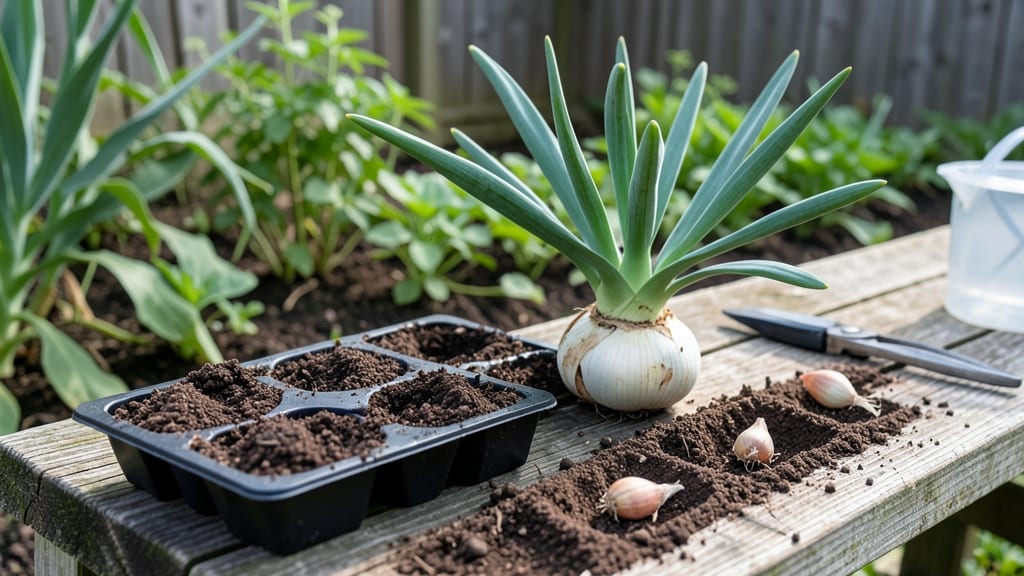
To plant garlic in Delaware, aim for October through November when soil temps dip below 60°F—this timing ensures roots establish before winter’s chill sets in.
Delaware’s USDA Zones 7a-7b mean garlic thrives with a long, cold winter, but the window for planting is narrow. Miss it, and your cloves may rot before they root or bolt too early in spring.
The key is getting them in the ground 4-6 weeks before the first hard frost, which typically hits around mid-November.
Hardneck varieties like ‘German White’ or ‘Silverskin’ do best here, but even the right type won’t succeed if planted too late. Soil prep—adding compost and ensuring good drainage—is just as critical as timing. Skimp on either, and you’ll end up with small bulbs or no harvest at all.
Below, I’ll walk you through the exact dates to plant, how to adjust for early/late winters, and the one mistake that ruins more Delaware garlic crops than any other. Ready to grow flavorful bulbs by July?
Optimal planting window in Delaware: when to start garlic cloves
Delaware’s USDA Zones 7b-8a create a narrow but critical window for planting hardneck garlic. Unlike spring-planted garlic, Delaware gardeners must focus on fall planting to ensure cloves establish roots before winter dormancy.
The ideal timeframe aligns with soil temperatures dropping to 40-50°F—a sweet spot that allows root growth without premature freezing.
For most of Delaware, this translates to planting between mid-October and mid-November. However, the exact timing depends on your last frost date and soil conditions. Northern Delaware (Zone 7b) typically plants 2-3 weeks earlier than southern areas (Zone 8a), where milder winters allow slightly later planting.
| Planting Factor | Delaware Zone 7b | Delaware Zone 8a |
|---|---|---|
| Ideal Planting Window | Mid-October to early November | Late October to mid-November |
| Soil Temperature Threshold | 40-50°F (4-6 weeks before frost) | 45-55°F (3-5 weeks before frost) |
| Last Frost Date | Mid-April | Late March |
| Adjustment for Early Winters | Plant by October 15 | Plant by November 1 |
| Adjustment for Late Winters | Extend to November 10 | Extend to November 20 |
| Planting Depth | 2 inches (cloves) + 2 inches soil | 2 inches (cloves) + 2 inches soil |
To pinpoint your exact planting date, use Delaware’s average first frost date as your guide. Most areas experience frost by mid-November, so aim to plant 4-6 weeks before this date.
For example, if your frost date is November 15, plant between October 15 and November 1. This timing ensures cloves develop 1-inch roots before winter sets in.
Soil temperature is equally critical. Garlic cloves need consistent soil temps below 60°F to trigger root growth. In Delaware, soil temperatures drop below this threshold by early October in northern regions and late October in southern areas. Use a soil thermometer to verify—plant only when temps stabilize between 40-50°F.
Adjust your planting schedule if Delaware experiences an unusually warm fall. If soil temps remain above 60°F past mid-October, delay planting until temperatures drop. Conversely, if an early freeze threatens, plant as soon as possible—even if soil temps are slightly higher. Prioritize root establishment over perfect conditions.
Delaware’s humid climate can also impact planting success. Choose a location with well-draining soil and partial afternoon shade to prevent fungal diseases like white rot. Raised beds work well in wetter areas, while in-ground plots should be amended with compost or aged manure to improve drainage.
For gardeners in Zone 8a, where winters are milder, you have slightly more flexibility. Planting as late as mid-November can still yield successful harvests, provided soil temps drop below 55°F. However, avoid planting after November 20, as cloves may not establish adequate roots before winter dormancy.
Pro tip: Mark your planting date on a garden calendar and set reminders for soil prep. Delaware’s Delaware Cooperative Extension offers free soil tests and localized advice—utilize these resources to fine-tune your timing. With the right window, your hardneck garlic will thrive and produce bold, flavorful bulbs by next summer.
Remember, garlic planted in fall is the only way to grow hardneck varieties in Delaware’s climate. Spring-planted garlic (softneck types) won’t yield the same robust bulbs or hardneck stalks prized for braiding and culinary use.
Delaware-specific garlic varieties and their planting needs
Delaware’s USDA Zone 7b-8a climate favors hardneck garlic varieties that thrive in cold winters and warm summers. Choosing the right type ensures higher yields and better flavor.
The top three varieties for Delaware—'German White', 'Silverskin', and 'Artichoke'—each have unique planting needs tailored to our state’s frost patterns and soil conditions.
The key to success lies in understanding each variety’s cold hardiness and ideal planting window. For example, 'German White' is the most popular choice because it handles Delaware’s winters well and produces large, flavorful bulbs.
Meanwhile, 'Silverskin' is a softer-necked option that stores longer but requires slightly earlier planting to avoid winter damage.
⚡ Pros & Cons of Delaware Garlic Varieties ⚡
🧄 German White
✅ Pros:
- Best cold hardiness (Zone 3-8)
- High yield potential (8-12 bulbs per plant)
- Bold flavor (great for cooking)
❌ Cons: - Needs 6+ weeks chill (Delaware meets this)
- Longer harvest time (July-August)
🧄 Silverskin
✅ Pros:
- Stores longer (up to 6 months)
- Softer neck (easier to braid)
- Earlier maturity (June-July)
❌ Cons: - Lower yield (4-8 bulbs per plant)
- Less cold-hardy (Zone 5-9)
- Milder flavor
🧄 Artichoke
✅ Pros:
- Unique purple-streaked bulbs
- Great for ornamental gardens
- Moderate cold hardiness (Zone 4-8)
❌ Cons: - Smaller bulbs (2-6 per plant)
- Shorter storage life (3-4 months)
- Longer planting window (Sept-Nov)
💡 Tip: For Delaware, 'German White' is the safest bet, while 'Silverskin' works if you prioritize storage. 'Artichoke' adds visual interest but yields less.
'German White' should be planted in late October to early November to ensure it establishes roots before the ground freezes. Aim for 4-6 weeks before the first hard frost (typically around November 15 in Delaware). This variety thrives in our cool winters and produces large, bold-flavored bulbs by mid-summer.
'Silverskin', on the other hand, needs to be planted earlier—ideally in mid-September to early October—because it’s less cold-hardy. While it matures faster, Delaware’s winters can still stress it if planted too late. If you choose this variety, prioritize well-draining soil and a southern exposure to maximize warmth.
'Artichoke' garlic is a decorative favorite but requires the longest planting window—from September through November. Its purple-streaked bulbs are stunning, but the trade-off is smaller yields and shorter storage life. If you’re growing it for aesthetics, plant in October for the best balance of cold hardiness and harvest timing.
All three varieties need well-draining soil and full sun (6+ hours daily). In Delaware, focus on loamy soil with a pH of 6.0-7.0. Amend heavy clay soils with compost or sand to prevent rot, especially for 'Silverskin', which is more sensitive to waterlogged conditions.
For maximum success, break apart garlic bulbs into individual cloves and plant them 4-6 inches deep, 4 inches apart. Mulch with straw or leaves after planting to insulate roots during winter.
With the right variety and timing, you’ll enjoy homegrown garlic that’s far superior to store-bought—perfect for Delaware’s gardeners!