
Plants
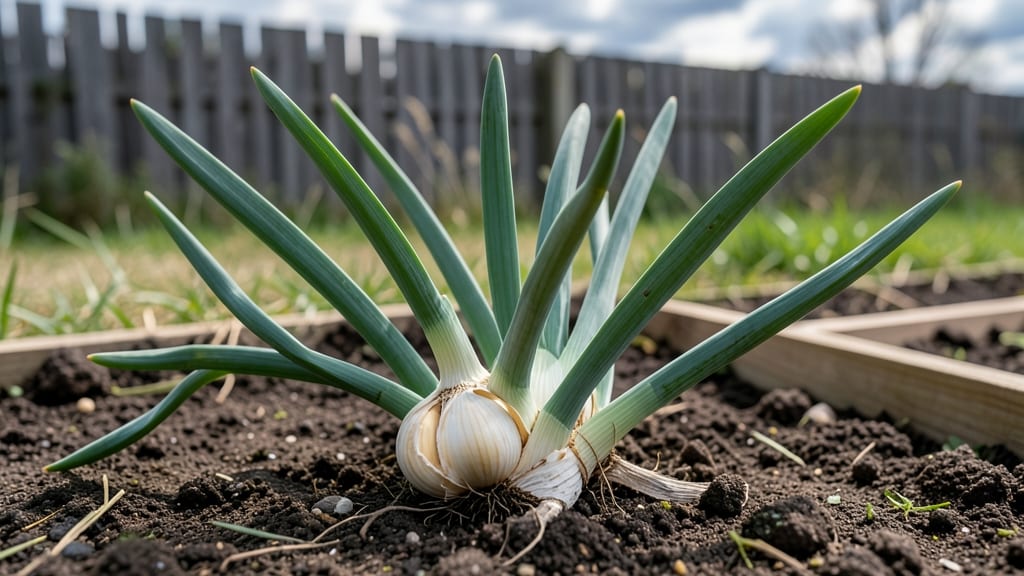
Planting garlic in Upstate New York 4-6 weeks before the first frost is the key to bulbs that overwinter strong and emerge ready for summer harvests.
Upstate New York’s unpredictable winters and variable microclimates can make garlic planting a high-stakes gamble—plant too early, and frost kills tender shoots; too late, and bulbs won’t mature before summer heat. Timing isn’t just about the calendar; it’s about understanding your specific zone’s frost patterns, soil conditions, and garlic variety.
For most of USDA Zones 5b-6b, that means getting cloves in the ground between mid-October and early November, when soil temps drop to 40-50°F.
But if you’re in the cooler Adirondacks, you might need to plant as early as late September, while the Finger Lakes can sometimes wait until early November.
Below, I’ll break down the exact deadlines by microclimate, how to prep your soil for winter success, and the one trick that saves bulbs when frost arrives early.
Upstate New York garlic planting deadlines by USDA Zone and microclimate
Upstate New York’s USDA Zones 4-6 create unique challenges for garlic growers. The Adirondacks (Zone 4) face earlier frosts, while the Finger Lakes (Zone 6) enjoy slightly longer growing seasons.
Your planting window hinges on soil temperatures (40-50°F) and first frost dates, which vary by just weeks across the region.
For hardneck varieties (like Music or German White), aim to plant 4-6 weeks before ground freezes. Softneck varieties (such as Silverskin) tolerate slightly later planting but still need 6-8 weeks before winter dormancy. Missing these windows risks frost-killed shoots or underdeveloped bulbs.
Here’s how to align your planting with Upstate NY’s microclimates. Use this table to pinpoint your ideal planting deadline based on your specific zone and local frost patterns.
If you’re in the Adirondacks (Zone 4), prioritize early planting (late September) to ensure bulbs establish roots before ground freezes. In contrast, Zone 6 areas like the Finger Lakes can extend planting into mid-October, thanks to lake-effect warmth delaying frost.
For Zone 5 gardeners, flexibility is key. If your area experiences early frosts, plant by mid-September. Conversely, if winters are mild, early October may still work. Use a soil thermometer to confirm 40-50°F—garlic roots won’t develop below 40°F.
Hardneck varieties thrive in Upstate NY’s cold winters and produce scape shoots in summer, while softnecks prefer warmer microclimates like the Finger Lakes. Choose hardnecks for Zone 4-5 and save softnecks for Zone 6 or sheltered spots.
Pro tip: In Zone 5b borderline areas, plant half your cloves in September and the rest in early October. This staggered approach hedges against unpredictable frost. Mulch with straw (4-6 inches) after planting to insulate bulbs through winter.
Remember, soil drainage is non-negotiable. Upstate NY’s clay-heavy soils can trap moisture, leading to rot. Amend beds with compost or sand to improve aeration. Test soil pH (6.0-7.0)—garlic hates acidic soil.
Harvest timing follows planting windows: late June to early July. Bulbs mature 240-300 days after planting, so Zone 4 garlic planted in September will be ready first, while October-planted Zone 6 garlic matures slightly later.
🌱
How to Adjust planting timing for Upstate NY’s unpredictable weather patterns
Upstate New York’s variable frost dates and microclimate shifts can turn garlic planting into a guessing game. One year’s early October frost might catch you off guard, while another’s mild November could delay planting.
The key is flexibility—adjusting your schedule based on soil temperature, weather forecasts, and your specific USDA zone (5b-6b).
I’ve learned that hardneck varieties like ‘Music’ or ‘German White’ thrive in Upstate NY’s climate, but even they need strategic timing. For example, in the Adirondacks (Zone 4), you might plant by mid-September, while the Finger Lakes (Zone 6) can wait until early November.
The difference? 100+ days of growing season.
- 1 Monitor soil temps: Wait until soil drops to 40-50°F (use a soil thermometer)—cold soil = slower sprouting.
- 2 Adjust for early frost: If forecasts predict below 20°F within 4 weeks, plant hardneck varieties (they handle cold better) or use row covers.
- 3 Mulch strategically: Apply 4-6 inches of straw after planting to insulate bulbs—critical in Zone 5’s borderline areas like Syracuse.
- 4 Backup plan: Keep 5-10 cloves in the fridge (unpeeled) to plant if late October brings unseasonable warmth—aim for 6 weeks before first frost.
- 5 Spring alternative: For Zone 6 areas, plant softneck varieties in early spring (March-April) if fall planting misses the window—expect smaller bulbs.
Don’t overlook soil moisture—Upstate NY’s dry spells in late winter can stress garlic. I’ve found that drip irrigation set to 1 inch/week in early spring keeps roots hydrated without overwatering. For rocky soil (common in the Catskills), amend beds with compost to improve drainage.
If you’re in a Zone 5 ‘borderline’ area, like Albany or Utica, err on the earlier side—plant by late September to ensure bulbs mature before summer heat.
I once planted ‘Silverskin’ garlic in early November and lost the crop to a January thaw followed by a hard freeze—lesson learned!
Pro tip: Use local frost date averages (check NOAA’s climate data) but add a 1-2 week buffer. For example, if your area’s average first frost is October 15th, plant by October 1st to account for variability.
Pair this with cold-hardy varieties, and you’ll maximize your yield despite Upstate NY’s whims.
Remember, garlic’s dormancy period is your friend—it thrives in cold, so don’t rush. The goal is 60-80 days of cold exposure before spring growth. With these adjustments, you’ll turn Upstate NY’s unpredictable weather into an advantage, not a challenge. 🌱