
Plants
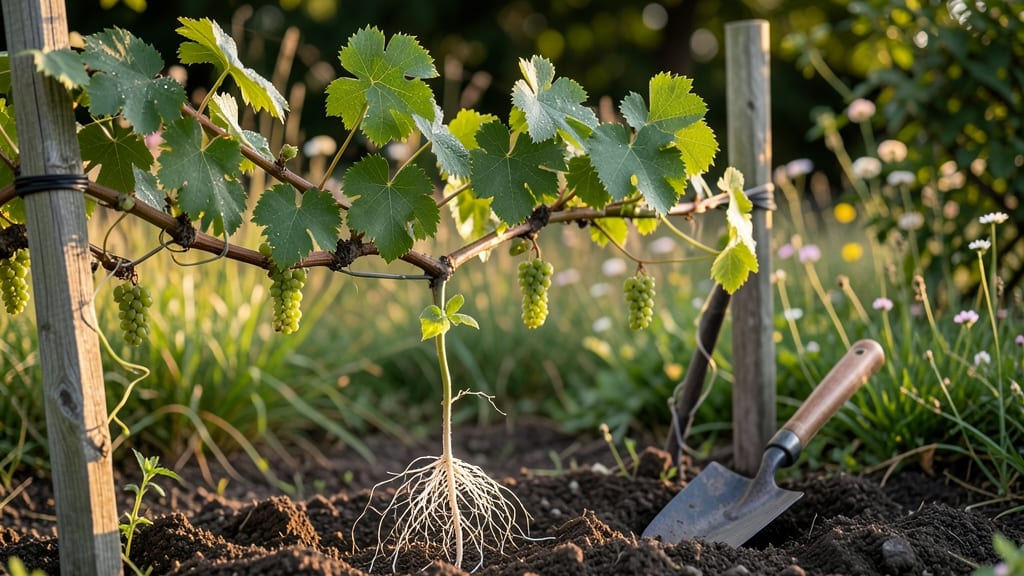
Planting grapes in Utah means timing your 🍇 vines for the 5-8 zone’s short growing season—late winter to early spring or fall, when soil temps are just right.
You’ve got one shot to get those roots established before the first frost hits, and Utah’s unpredictable climate makes that window tighter than a trellis in a windstorm. Miss it, and you’re staring at a winter-killed vine by October.
This guide breaks down the best months for your region—whether you’re in the Wasatch Front’s cooler valleys or southern Utah’s heat—plus soil prep tricks to outsmart frost and drought.
By the end, you’ll know exactly when to dig, which varieties thrive in Utah’s extremes, and how to give your grapes the head start they need to survive the cold.
Optimal Utah grape planting months by climate Zone
Utah’s diverse climate—from the cool high desert of the north to the hotter valleys of the south—means grapes thrive best when planted at the right time. The USDA zones 5-8 across Utah create distinct planting windows, with soil temperature thresholds of 50°F (10°C) for root establishment.
Missing these windows can leave your vines vulnerable to late spring frosts or early fall freezes, both common in Utah’s unpredictable weather.
In Northern Utah (e.g., Logan, Ogden), cooler summers and earlier frosts demand earlier planting—typically by late April to early May—to ensure roots establish before fall freezes in October.
Meanwhile, Central Utah (Salt Lake City, Provo) offers a 6-week window from mid-April to late May, while Southern Utah (St. George, Cedar City) can extend planting until early June due to milder winters.
I’ve broken down the ideal planting months by Utah’s three main climate zones, including frost risk analysis and soil temperature guidelines to help you choose the perfect window for your grapevines. Whether you’re growing Concord, Thompson Seedless, or Cabernet Sauvignon, timing is everything in Utah’s variable climate.
For Northern Utah, the late April to early May window is critical because soil temperatures must reach 50°F (10°C) for roots to establish. Planting too late risks fall frosts, which can kill young vines.
In this zone, Concord grapes are a top choice due to their cold tolerance and ability to handle Utah’s short growing season.
In Central Utah, the 6-week window from mid-April to late May offers flexibility, but valley microclimates can still trap cold air.
Use mound planting (elevating soil around the base) to protect roots. Thompson Seedless is popular here because it matures quickly and resists powdery mildew, a common issue in Utah’s humid summers.
Southern Utah’s hotter climate extends the planting season until early June, but soil moisture is the biggest challenge. Irrigate deeply before planting to ensure roots establish in well-draining soil.
Varieties like Cabernet Sauvignon and Zinfandel thrive here, thanks to their drought tolerance and ability to ripen fully in Utah’s long, sunny summers.
Fall planting in September–October is a smart strategy for all Utah zones, as bare-root vines establish roots before winter dormancy. Aim for soil temperatures above 50°F (10°C) and water deeply to encourage root growth.
This method reduces spring planting pressure and gives vines a head start in Utah’s short growing season.
Pro tip: Check the Utah Climate Center’s frost maps or local USDA Extension Service for your specific area’s last frost dates. In Salt Lake City, for example, the average last frost is April 15, but mountain valleys can delay it by 2–3 weeks.
Adjust your planting timeline accordingly to avoid frost damage
Pre-frost root growth: how to time planting for Utah’s short growing season
Utah’s unpredictable frost patterns make timing grape planting a critical skill. To outpace winter, you need to calculate your last frost date—typically mid-to-late March in most regions—and adjust for soil warmth.
Grapes need 4–6 weeks of root establishment before winter dormancy, so planting too late risks stunted growth or frost damage.
Start by checking the USDA Plant Hardiness Zone for your area (Utah ranges from Zone 5–8). Then, select fast-rooting varieties like Concord or Thompson Seedless, which establish roots 30–50% faster than slower varieties. These choices give your vines the best shot at surviving Utah’s sharp temperature swings.
Step-by-Step: Planting Grapes for Pre-Frost Root Growth
- 📅 Step 1: Calculate Your Last Frost Date
Use the Utah Climate Center or Almanac to find your local last frost date. In Salt Lake City, this is usually March 15, while Southern Utah sees frost as early as February 28. - 🌡️ Step 2: Test Soil Temperature
Grapes need soil temps of 55–65°F to root effectively. Use a soil thermometer to monitor warmth—plant when temps stay above 55°F for 5+ days. - 🍇 Step 3: Choose Fast-Rooting Varieties
Prioritize Concord or Thompson Seedless for rapid root development. Avoid slower varieties like Cabernet Sauvignon unless you’re in Zone 8 with longer growing seasons. - 📅 Step 4: Plant 4–6 Weeks Before Frost
For Salt Lake City, aim for late August to early September. In Southern Utah, plant by mid-August to ensure roots establish before October frosts. - 💧 Step 5: Water Deeply and Mulch
After planting, water 1–2 gallons per vine and apply 3–4 inches of mulch to retain soil warmth and moisture. This helps roots grow 2x faster in Utah’s dry climate.
Once planted, monitor your vines closely for new leaf growth, a sign roots are establishing. If you notice yellowing leaves or stunted shoots by October, your grapes may not have rooted deeply enough. In this case, consider delaying next year’s planting or using cold-hardy rootstocks like Riparia.
For container-grown grapes, extend your planting window by 2–3 weeks—pots warm up faster than soil. However, move containers to a protected location (like a garage or insulated box) if frost threatens before roots establish.
This extra care can mean the difference between a thriving vineyard and a frost-killed crop.
Pro tip: Use a frost cloth for the first 2–3 weeks after planting to shield young vines from unexpected late frosts. This low-cost hack gives roots a critical head start in Utah’s variable climate.