
Plants
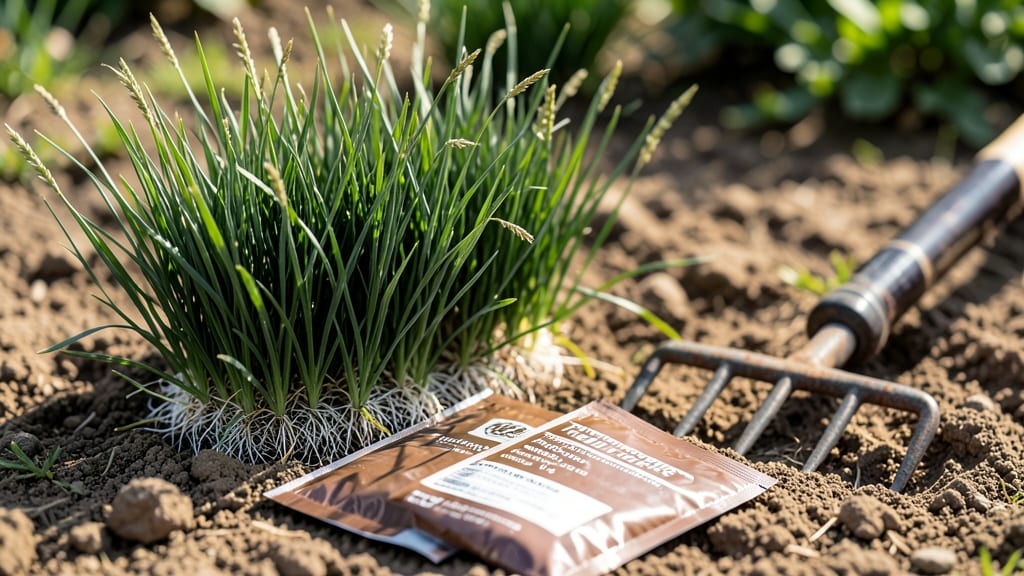
Planting grass seed in Kansas City at the right time means the difference between a lush, green lawn and a patchy, struggling yard.
Timing isn’t just about seasons—it’s about avoiding extreme heat, drought, and late frosts that can turn your green dreams into brown patches. Get it right, and you’ll have a vibrant lawn by summer; get it wrong, and you’ll be starting over.
In USDA Zone 6a, the best windows are early September to mid-October for fall planting or mid-April to early June for spring. These periods give your 🌱 grass seed the ideal soil temperatures—55-65°F—to sprout strong roots before winter or summer stress sets in.
Below, I’ll break down the exact weeks to plant based on Kansas City’s microclimates, soil prep tips, and how to adjust for unpredictable weather. No more guessing—just a foolproof plan for a lawn you’ll actually enjoy.
Best weeks to plant grass seed in Kansas City by microclimate
Kansas City’s diverse microclimates—from urban heat islands to rural cool spots—create wildly different conditions for grass seed success. Urban areas like downtown can be 10°F hotter than suburbs, while rural zones near lakes stay cooler.
To nail your planting window, focus on soil temperatures between 55-65°F and avoid extreme heat or frost risks. Fall planting gives grass 6-8 weeks to establish roots before winter, while spring planting requires consistent moisture as summer heat arrives.
Cool-season grasses like Kentucky bluegrass and tall fescue thrive when planted in early fall (September-October), while warm-season grasses like Bermuda need late spring (May-June). But timing isn’t one-size-fits-all—urban areas may need earlier fall planting due to heat retention, while suburban yards can wait slightly longer.
Let’s break down the best weeks by microclimate to maximize your lawn’s potential.
| Microclimate | Ideal Planting Window | Soil Temp Threshold | Key Considerations |
|---|---|---|---|
| Urban Heat Islands (Downtown, KCMO) | Early Sept (Aug 25-Sept 10) or Late April (Apr 20-May 5) | 55-60°F (soil cools faster at night) | Plant earlier in fall to escape summer heat; use shade cloth if planting in spring. |
| Suburban Areas (Overland Park, Leawood) | Mid-Sept (Sept 10-25) or Early May (May 5-20) | 58-63°F (moderate urban/rural mix) | Balanced timing avoids late frosts and summer drought; ideal for cool-season grasses. |
| Rural Areas (Johnson County, Wyandotte County) | Late Sept (Sept 25-Oct 10) or Late May (May 20-June 5) | 60-65°F (cooler soils retain moisture longer) | Later fall planting works due to cooler nights; spring planting benefits from deeper soil moisture. |
| Lake-Adjacent (Lake Jacomo, Quivira) | Early Sept (Aug 25-Sept 10) or Early May (May 1-15) | 55-62°F (lake breezes moderate temps) | Lake effects delay fall frosts; prioritize early watering to combat wind stress. |
For urban heat islands, I recommend planting cool-season grasses in early September to capitalize on cooler nighttime temps and avoid the July-August heatwave. If you’re in downtown KCMO, soil can stay 10°F warmer than suburban areas, so shade cloth or drip irrigation can buy you extra time.
Test soil temps with a soil thermometer—aim for 55°F minimum to prevent seed dormancy.
Suburban areas like Overland Park offer a sweet spot for planting: mid-September to early May. Here, you can push the envelope slightly later in fall because soil stays warmer longer than rural zones.
However, avoid planting after October 15, as first frosts (around October 20) can stunt germination. For spring planting, wait until after May 5 to dodge late frosts.
Rural KC residents have the most flexibility with late-September to early-June windows. The cooler, moister soils in areas like Johnson County allow grass to establish deeper roots before winter.
If you’re planting warm-season grasses like Bermuda, aim for late May—this gives seedlings time to harden off before July’s 90°F+ heat.
Lake-adjacent properties near Lake Jacomo or Quivira Reservoir experience microclimates with delayed frosts and cooler summer afternoons. Plant 1-2 weeks earlier than suburban areas to take advantage of these conditions.
However, wind exposure near lakes can dry out soil quickly, so mulch heavily and water daily for the first 2 weeks.
No matter your microclimate, avoid planting when daytime temps exceed 85°F—this causes seed desiccation and poor germination. Use a soil thermometer ($10 at garden centers) to check temps at 6 AM before planting.
If temps are below 55°F, wait 1-2 weeks or use row covers to warm the soil.
Pro tip: Overseed in early spring (March) if you missed fall planting. While not ideal, cool-season grasses can still germinate with consistent moisture and shade protection during the day. Just be prepared for thinning as summer heat arrives—this is a temporary fix, not a full replacement.
🌱
How soil temperature and weather affect grass seed germination in KC
In Kansas City, soil temperature is the #1 factor determining whether your grass seed sprouts or sits dormant. Most cool-season grasses—like Kentucky bluegrass and tall fescue—need soil temps between 55-65°F to germinate.
Warm-season grasses, such as Bermuda, prefer 75-85°F, but KC’s climate rarely stays hot enough for them to thrive long-term.
Weather plays a sneaky role too. Drought stress during germination can kill seedlings before they take root, while excessive humidity invites fungal diseases like brown patch. Even a single late frost after planting can wipe out tender sprouts overnight.
That’s why timing is everything—especially in KC’s USDA Zone 6a, where spring and fall weather shifts dramatically.
🚨 callout-warning 🚨
⚠️ Planting Too Early or Too Late = Wasted Seed
Spring Risk: Planting before April 15 (last frost date) exposes seeds to frost damage. Wait until soil stays consistently above 55°F for 5+ days.
Fall Risk: Planting after October 1 leaves seeds vulnerable to early freezes. Aim for 4-6 weeks before first frost (usually by mid-September).
💡 Pro Tip: Use a soil thermometer ($10 at garden centers) to check temps at 4-inch depth—where seeds actually germinate.
Testing soil temperature is simpler than you think. Grab a soil thermometer (or a candy thermometer from the kitchen—just rinse it!) and insert it 4 inches deep in shaded soil. If it reads below 55°F, wait.
If it’s above 75°F, you’re in the danger zone for seed scorch. KC’s urban areas often run 5-10°F hotter than rural zones, so adjust your schedule accordingly.
Humidity and rainfall also demand attention. Cool-season grasses need 1-1.5 inches of water weekly during germination, but overwatering in clay-heavy KC soil can suffocate seeds.
Use a rain gauge to track moisture—if you get less than 0.5 inches in 3 days, supplement with gentle morning watering (never overhead in evening).
For cool-season grasses, fall planting is ideal because cooler temps reduce drought stress and allow roots to establish before winter. Warm-season grasses (like Zoysia) can be planted in late spring, but they’ll struggle to outcompete weeds in KC’s short growing season.
Stick with cool-season blends for year-round color.
Remember: Weather forecasts aren’t enough. Check the National Weather Service’s KC microclimate maps for frost risk and heat advisories. If a 90°F+ day is forecasted within 2 weeks of planting, delay—seeds will dry out before sprouting.
With the right timing, you’ll see green shoots in 7-14 days instead of brown patches.