
Plants
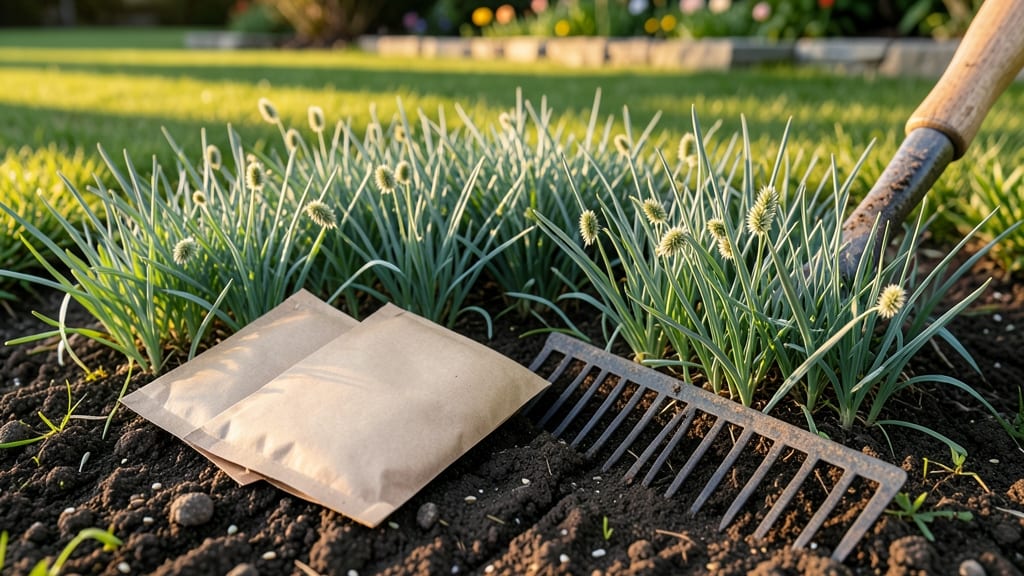
Planting grass seed in South Dakota at the right time ensures strong root growth before frost 🌱—aim for early fall or late spring when soil temperatures hit 50-55°F.
Timing your grass seed planting in South Dakota can mean the difference between a lush, frost-resistant lawn and wasted effort—get it wrong, and you’ll battle weeds or weak roots all season.
This guide covers the best months for planting in your USDA 4a-5b zone, how to prep soil for germination, and which grass varieties thrive in your region’s climate.
You’ll discover how to adjust for frost dates, drought conditions, and regional differences—so you can plant with confidence and avoid common mistakes that kill new lawns.
Best months to plant grass seed in South Dakota for frost-resistant growth
South Dakota’s USDA hardiness zones 4a-5b create a unique challenge for grass seed germination—plant too early, and frost will kill tender sprouts; too late, and summer heat stresses young roots.
The sweet spot? Early fall (August-September) and late spring (mid-April), when soil temperatures hover between 50-65°F and moisture levels are ideal for seed-to-soil contact.
Cool-season grasses like Kentucky bluegrass and tall fescue dominate South Dakota lawns because they thrive in these conditions. These varieties establish 6-8 weeks before frost, giving roots time to harden before winter.
Warm-season grasses like buffalo grass (native to the region) prefer late spring planting when soil warms consistently above 60°F.
Timing matters most in South Dakota’s eastern regions (like Sioux Falls) where humidity extends the growing season slightly, versus western areas (like Rapid City) with drier, shorter windows. Always check your last frost date—typically mid-April—and plan to plant 4-6 weeks before the first hard freeze (mid-October).
| Planting Window | Best Months | Soil Temp (°F) | Frost Risk | Grass Type |
|---|---|---|---|---|
| Early Fall | August–September | 50–65°F | Low (6+ weeks before frost) | Cool-season (Kentucky bluegrass, tall fescue) |
| Late Spring | Mid-April–May | 55–70°F | Moderate (after last frost) | Warm-season (buffalo grass, zoysia) |
| Avoid | June–July | Above 75°F | High (heat stress) | All types (except drought-tolerant native mixes) |
| Avoid | October–November | Below 50°F | Very High (frost damage) | Cool-season only (if early October) |
For eastern South Dakota, aim for August 15–September 15 to capitalize on consistent rainfall and cooler nights. In western regions, shift to late August to avoid early frost creeping in sooner. Always test your soil’s moisture retention—dry western soils may need pre-watering before seeding.
Spring planting requires patience. Wait until soil temperatures stabilize above 50°F (usually mid-April) and choose drought-tolerant varieties like fine fescue if your area gets less than 15 inches of rain annually.
Overwatering in spring can lead to fungal diseases like brown patch, so prioritize deep, infrequent watering over daily light sprinkles.
Pro tip: Use a soil thermometer to monitor temperatures—ideal germination occurs between 55-65°F. If your soil runs cooler (below 50°F), cover seeds with light straw mulch (¼ inch) to retain heat.
This trick works especially well in higher-elevation areas like the Black Hills, where nights stay chilly longer.
Mistake alert: Planting in June or July might seem logical for warm-season grasses, but intense heat and drought stress young seedlings. If you must plant late, use shade cloth during the hottest hours and increase watering frequency to every 2-3 days.
Even then, expect slower establishment and higher weed competition.
To maximize frost resistance, fertilize lightly 4-6 weeks after planting with a high-nitrogen blend (24-0-5). This boosts root growth before winter. In western South Dakota, where wind desiccates grass, consider adding winter ryegrass as a temporary cover—it dies back in spring, leaving your new lawn unharmed.
Remember: South Dakota’s 150 frost-free days are your guide. Plan to have 50% of your grass’s final height established by September 30 to ensure it survives winter. With the right timing, your lawn will outcompete weeds and greet spring with deep green vigor.
How South Dakota’s climate zones affect grass seed germination success
South Dakota’s diverse climate zones—from the humid eastern regions to the drier western plains—create unique challenges for grass seed germination.
In the eastern half (Zone 4b-5a), cooler springs and higher moisture levels favor cool-season grasses like Kentucky bluegrass, while the western half (Zone 4a) demands drought-tolerant varieties such as buffalo grass. Understanding these regional differences ensures your grass establishes strong roots before frost hits.
Moisture availability is another critical factor. Eastern South Dakota receives 16-20 inches of annual rainfall, making late summer (August-September) ideal for planting. Meanwhile, western areas with 10-14 inches of precipitation benefit from early fall planting to capitalize on residual summer heat and limited weed competition.
Adjusting your timing based on rainfall patterns can double your success rate.
Temperature fluctuations also play a role. Eastern regions experience sharper spring temperature swings, requiring patience for soil to warm to 50-55°F before seeding. Western areas, with their hotter, drier summers, need seeds planted when daytime highs drop below 85°F to prevent desiccation.
Both regions face first frost risks by mid-October, so aim to complete germination 6-8 weeks before the average frost date.
| Region | Best Planting Window | Soil Temp Goal | Grass Type | Key Consideration |
|---|---|---|---|---|
| Eastern SD | Late August–Early September | 50–55°F | Kentucky Bluegrass, Tall Fescue | High moisture; avoid late planting |
| Western SD | Early September–Mid-October | 55–60°F | Buffalo Grass, Blue Grama | Drought tolerance; cooler nights |
| Both Regions | Early April (spring) | 45–50°F | Ryegrass (temporary cover) | Weed suppression; short window |
For eastern South Dakota, cool-season grasses thrive when planted in early fall, taking advantage of 60-70°F daytime temps and 50% humidity. These conditions allow seeds to germinate quickly before winter dormancy.
In contrast, western areas should prioritize warm-season grasses like buffalo grass, which establish best when planted in September to leverage cooler nights and lower evaporation rates.
One common mistake is planting too early in spring when soils remain cold and compacted, stalling germination. Always test soil moisture by squeezing a handful—it should hold together but not be soggy.
In western regions, consider mulching with straw to retain moisture, while eastern areas may need light irrigation during dry spells. Both strategies help seeds establish before frost.
Regardless of your location, late summer/early fall remains the gold standard for grass seed success in South Dakota. By aligning your planting with local climate patterns and choosing the right grass variety, you’ll ensure a thick, resilient lawn that withstands the state’s unpredictable winters.
Start with soil prep, monitor moisture levels, and adjust timing based on your specific zone—your future lawn will thank you.