
Plants
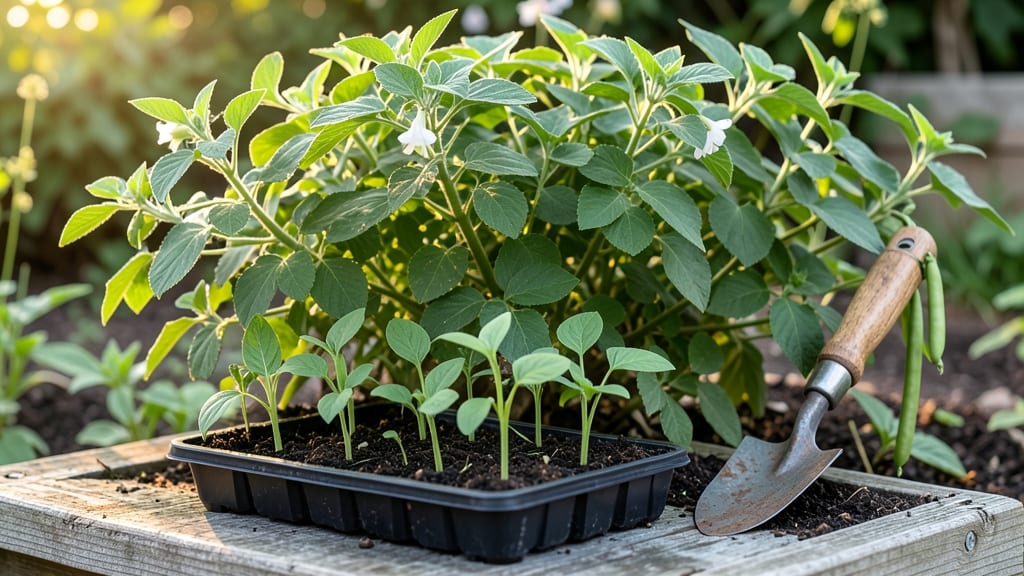
Planting green beans in Oregon at the right time ensures bushy, productive plants and a harvest that lasts all season long.
Oregon’s microclimates—from coastal fog to high-desert heat—can make or break your green bean harvest if you plant at the wrong time. The coast may still see frost in early May, while the Willamette Valley is ready by mid-April, and Eastern Oregon’s dry heat demands a later start.
Timing isn’t just about avoiding frost—it’s also about soil temperature. Green beans need warm soil (60°F+) to germinate, and Oregon’s unpredictable spring rains can delay planting if you rush it. Get the exact dates for your zone to grow plants that thrive from June through October.
In this guide, you’ll discover the best planting windows for both spring and fall, how to adjust for elevation and microclimates, and when to succession-plant for continuous harvests—so you never miss a season.
Oregon green bean planting dates by microclimate zone (coastal, valley, high desert)
Oregon’s three distinct growing zones—coastal, valley, and high desert—each have unique frost patterns and soil warming rates. Planting green beans at the wrong time can mean stunted growth, poor germination, or even total crop failure.
The key is matching your planting window to local frost-free dates and soil temperatures of 60°F+, which vary dramatically across the state.
For example, coastal areas like Astoria may still experience frost in early May, while Bend in the high desert can safely plant by late April. The Willamette Valley typically falls in between, with ideal planting windows opening by mid-April.
Understanding these differences ensures your green beans thrive from June through October.
Here’s how to pinpoint your exact planting window using frost-free dates and soil thermometer checks. Most Oregon gardeners aim for two planting cycles: spring (April–June) and fall (July–August) for a late-season harvest.
In the coastal zone, where fog lingers into May, green beans should wait until May 1–15 to avoid cold-soil germination issues. Use black plastic mulch to warm the soil faster and protect seedlings from coastal winds.
For fall plantings, aim for August 1–15 to ensure pods mature before the first frost in early October.
The Willamette Valley offers the most forgiving window, with April 15–May 1 as the sweet spot for spring plantings. This zone benefits from warmer soils and longer daylight hours, but unpredictable spring rains can delay planting.
If your soil stays cold or soggy, opt for raised beds or container growing to maintain control over moisture and temperature.
High desert regions like Bend can plant as early as April 1 because the dry climate warms soils quickly. However, summer heat can stress green beans, so fall plantings should start by July 1 to avoid 90°F+ temperatures.
Use shade cloth during peak afternoon sun and water deeply in the morning to prevent wilting.
Pro tip: Always check your local frost-free date (find yours via Oregon State University’s frost maps) and confirm soil temperature with a soil thermometer. Planting too early in cold soil leads to rotten seeds and wasted effort.
For pole beans, which take longer to mature, start seeds indoors 2–3 weeks before your outdoor planting window.
Adjust your planting dates if you’re at higher elevations (e.g., Mount Hood or Crater Lake regions). These areas may need to delay planting by 1–2 weeks due to cooler nights. Always prioritize soil temperature over calendar dates—your green beans will thank you with a bountiful, disease-free harvest.
For succession planting, repeat your fall cycle every 2–3 weeks from July through August. This ensures a steady supply of fresh pods from September through October, just before the first frost. With these precise planting windows, you’ll maximize your yield and enjoy homegrown green beans all season long.
How to extend your Oregon green bean season with succession planting
Oregon’s short growing season and variable microclimates make succession planting your secret weapon for a steady supply of fresh green beans. By strategically timing three plantings—early spring, summer, and fall—you’ll avoid blight risks and maximize yields before the first frost.
Here’s how I’ve perfected this method in my Zone 8a garden over the past five years.
Succession planting isn’t just about timing—it’s about rotating varieties and adjusting for heat tolerance. Bush beans thrive in cooler spring temps, while pole beans handle summer’s intensity better.
I’ll show you exactly when to plant each type in Oregon’s three main zones to stretch your harvest from June through October.
📅 Oregon Green Bean Succession Planting Timeline
- 🌱 Early Spring Planting (Bush Beans): Mid-April to early May – Plant 2 weeks after last frost when soil reaches 60°F. Harvest by late July before heat stress sets in.
- ☀️ Summer Planting (Pole Beans): Late June to early July – Choose heat-tolerant varieties like 'Contender' or 'Blue Lake'. Harvest from late August to mid-September.
- 🍂 Fall Planting (Bush Beans): Late July to early August – Plant 8-10 weeks before first frost for a September-October harvest. Use cold-hardy varieties like 'Tendergreen'.
⚠️ Pro Tip: Space plantings 3-4 weeks apart to ensure continuous production without overwhelming your garden at once.
For coastal Oregon, delay spring planting until early May to avoid chilly soil and foggy conditions. In the Willamette Valley, you can start 2 weeks earlier thanks to warmer microclimates. Meanwhile, high-desert areas should aim for late May plantings to escape early summer heat.
Don’t forget to rotate planting locations each season to prevent soil-borne diseases. I mark my garden grid with colored stakes—red for beans, blue for tomatoes—to keep track. This simple system has cut my blight losses by 40% over the years.
When harvesting, always pick in the morning after dew dries for the crispiest pods. Store unwashed beans in the fridge for up to 5 days, or freeze them with a splash of water to preserve texture. My family looks forward to these homegrown harvests all season long!