
Plants
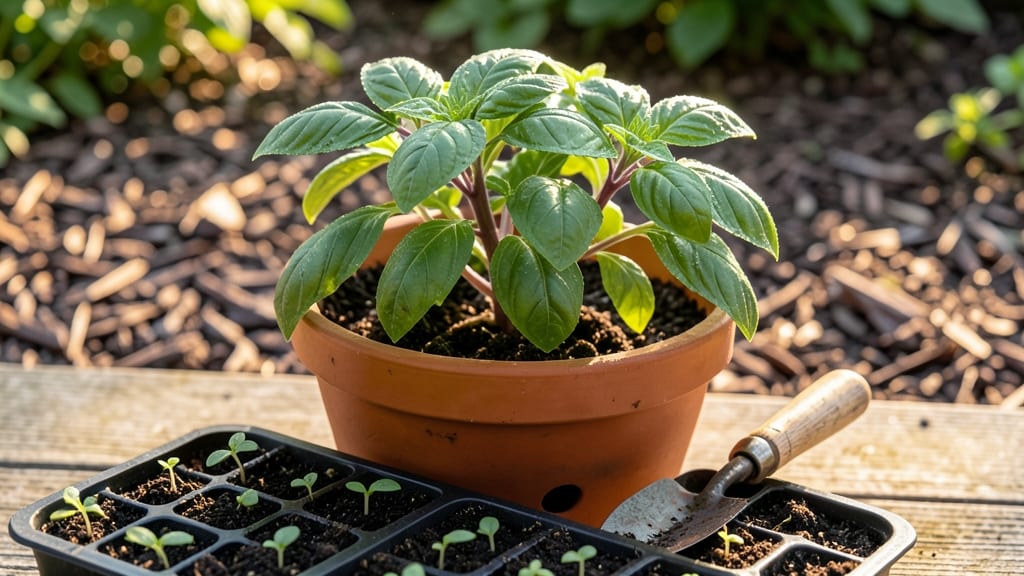
Planting herbs in Virginia at the right time means the difference between a thriving 🌿 kitchen garden and a sad, leggy disappointment.
Virginia’s diverse climate—from the humid Piedmont to the coastal plains—means your herb garden’s success hinges on planting at the perfect time. Get the timing wrong, and you’ll risk stunted growth, pests, or even total failure.
In USDA zones 6a-8a, the best window for cool-season herbs like parsley and cilantro opens in early spring, while tender varieties like basil and rosemary wait until after the last frost—usually March 15 or later, depending on your zone.
Below, I’ll break down the exact planting schedule by zone, plus pro tips for extending your harvest year-round—whether you’re growing in-ground or in containers.
Virginia’s best herb planting calendar by USDA zone (6a-8a)
Virginia’s USDA zones 6a-8a offer a 180-day growing season, but timing is everything for herbs. Cold-hardy varieties like parsley and cilantro thrive in early spring, while tender warm-season herbs like basil and oregano need to wait until after the last frost.
Missing these windows can mean stunted growth or total failure—especially in Virginia’s humid climate. Let’s break down the month-by-month schedule for each zone to maximize your harvest.
First, know your last frost dates: Zone 6a (April 1), Zone 7a (March 15), and Zone 8a (March 1). These dates mark the transition from cool-season to warm-season planting. Fall planting works best in August-September, giving herbs time to establish before winter.
Coastal areas (like Norfolk) may have earlier last frosts, while inland zones (like Roanoke) face later frost risks—always check local data.
For Zone 6a, wait until April 15 to plant warm-season herbs like basil and oregano—earlier planting risks frost damage. Cold-hardy herbs like parsley and cilantro can go in as early as March 1 after soil warms to 50°F.
Use row covers if nighttime temps dip below 40°F to protect tender seedlings.
In Zone 7a, you’ve got a longer window for spring planting. Start basil and rosemary indoors in February and transplant after March 15. Thyme and oregano are perennial in this zone—plant them in March
How to extend your herb harvest year-round in Virginia’s climate
Virginia’s mild winters—especially in zones 7a-8a—create the perfect opportunity to enjoy fresh herbs year-round. While some varieties like basil and dill need indoor care, others like thyme and sage thrive even in winter’s chill.
The key is knowing which herbs can handle Virginia’s 20-40°F lows and which need protection or relocation.
For hardy herbs, focus on overwintering strategies like row covers, cold frames, or container gardening. These methods shield plants from freezing temperatures while still allowing sunlight.
Meanwhile, tender herbs can be moved indoors to bright windows or under grow lights, ensuring you never run out of fresh cilantro or parsley.
🌱 5 Pro Tips for Year-Round Herb Harvesting
- 1. Choose the Right Herbs: Thyme, sage, and oregano survive 20°F temps; basil and cilantro need indoor care.
- 2. Use Row Covers: Lightweight fabric raises temps by 5-8°F, protecting parsley and dill through light frosts.
- 3. Try Cold Frames: Unheated frames extend the season by 4-6 weeks, ideal for rosemary and lavender.
- 4. Container Gardening: Move pots indoors before 32°F; place near south-facing windows for 6+ hours of light.
- 5. Mulch Heavily: Add 3-4 inches of straw to insulate roots of hardy perennials like mint and chives.
Start by identifying which herbs in your garden are perennial and which are annual. Perennials like thyme and rosemary can stay in the ground year-round with proper mulching. Annuals like basil and cilantro will need to be replanted or overwintered indoors.
Before the first frost (typically late October in zone 6a), harvest remaining annuals and pot them up for indoor growth.
For outdoor overwintering, row covers are a game-changer. These lightweight fabrics trap heat and protect against light frosts down to 25°F. Install them over your herb beds by mid-October and remove them during the day on warm sunny days to prevent overheating.
This method works especially well for parsley and dill, which can tolerate cooler temperatures.
If you’re growing herbs in containers, now is the time to move them indoors. Place pots near a south-facing window where they can receive 6-8 hours of sunlight daily.
For herbs like basil, supplement with a grow light to prevent legginess. Reduce watering frequency indoors, as soil stays moister in containers without outdoor evaporation.
Don’t forget about mulching—it’s one of the simplest ways to protect your herbs over winter. Apply a 3-4 inch layer of straw or leaves around the base of perennial herbs like sage and oregano.
This insulation helps regulate soil temperature and retains moisture, keeping roots healthy through winter’s driest months.
With these strategies, you can enjoy fresh herbs year-round, even in Virginia’s unpredictable climate. Start preparing your overwintering plan now, and you’ll be harvesting thyme in January and basil all winter long—no greenhouses required! 🌿