
Plants
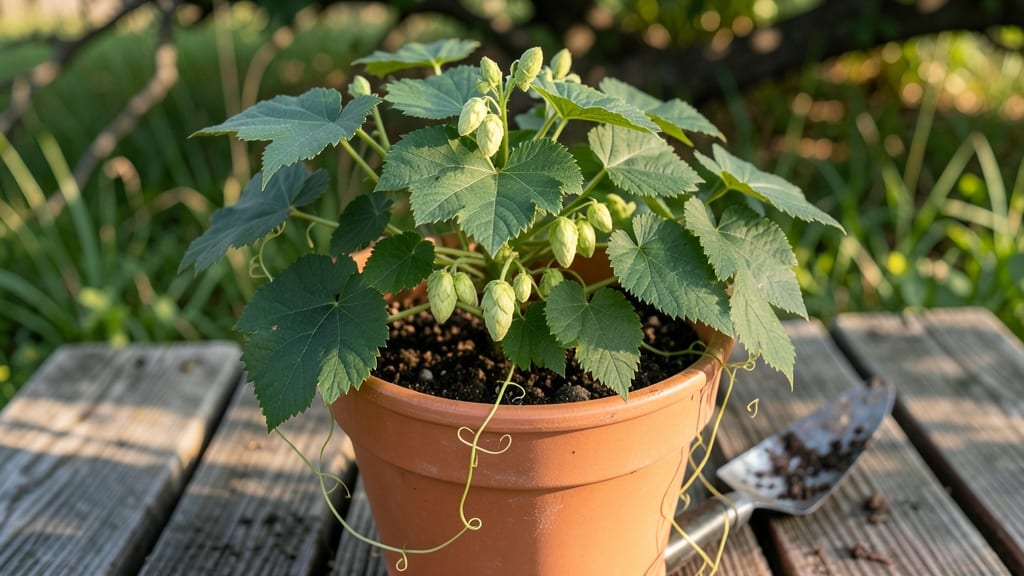
To plant hops in New England, wait until after your last frost—typically late April to early May—when soil temperatures hit 50°F or warmer.
New England’s unpredictable frost dates and short growing seasons demand precision when planting hops—get the timing wrong, and your bines may struggle to establish roots before winter. But master these USDA zone-specific deadlines, and you’ll unlock stronger root growth, higher yields, and healthier plants.
Why does timing matter so much? Hops need 90-120 days to mature, and planting too early risks frost damage, while waiting too long cuts short their growing season. The key is balancing frost risk with soil warmth, especially in USDA Zones 5a-6b.
Below, I’ll break down the exact planting windows by region, soil prep tips, and how to adjust for late springs or early frosts—so you can grow thriving hops 🍺 every season.
New England USDA Zone planting deadlines for hops by region (with frost risk analysis)
New England’s USDA Zones 3-6 create unique challenges for hop growers, where a late frost can devastate young plants if planted too early. The key to success lies in understanding your local frost dates, soil temperatures, and microclimates—whether you're in coastal Maine or the inland valleys of Vermont.
Planting hops too soon risks frost damage, while waiting too long may stunt root growth before winter. Let’s break down the optimal planting windows by zone, including last-frost averages and root establishment timelines.
Hops thrive when planted after the last average frost date, but they also need 60-90 days of warm soil to establish strong roots before winter.
In Zone 3 (northern Maine), this means a narrow window of late May to early June, while Zone 6 (southern New Hampshire) allows for planting as early as mid-April.
Coastal areas like Portland, ME or Providence, RI often experience earlier last frosts (late April to early May) due to moderating ocean influences, giving growers a head start.
Here’s a region-specific breakdown of planting deadlines, frost risk, and root establishment goals to maximize your hops’ success in New England:
For coastal regions, like Maine’s mid-coast or Rhode Island’s shores, the ocean’s warming effect can push last frost dates 1-2 weeks earlier than inland areas. Use local Almanac frost charts or weather station data to fine-tune your timing.
Inland valleys, such as Vermont’s Champlain Valley, often experience colder microclimates and may need to plant 2 weeks later than coastal zones.
Hops planted in Zone 6 by mid-April can produce full-size bines by summer, while those in Zone 3 planted in late May may only reach 3-5 feet before winter. To compensate, consider cold-hardy varieties like ‘Fuggle’ or ‘Cluster’, which tolerate shorter seasons better than ‘Cascade’ or ‘Centennial’.
Always aim to plant when soil temperatures exceed 50°F (10°C)—a soil thermometer is your best tool for accuracy.
If you’re in a high-frost-risk area, like northern Maine, start hops in containers or a greenhouse in early spring, then transplant outdoors after May 15
How to adjust planting dates for stronger root growth in New England’s climate
New England’s cool springs and early frost risks can stall hop root growth if you plant at the wrong time. The key to success? Adjusting your planting schedule based on soil temperature, microclimates, and cold-hardy varieties.
I’ve learned that even a 2-week delay can mean the difference between robust roots and struggling vines by winter.
For most of New England (USDA zones 4b-6b), the ideal planting window is late April to early May—after the last average frost date.
But if your spring runs late or you’re in a cooler microclimate, like the White Mountains, you’ll need to extend the growing season or choose hardier varieties like ‘Fuggle’ or ‘Cluster’ hops.
Adjusting Planting Dates for Hops in New England
- Soil warming: Black plastic mulch raises soil 5-10°F, speeding root growth.
- Cold-hardy varieties: ‘Fuggle’ tolerates 28°F soil temps.
- Transplanting: Start indoors in March for a head start.
- Late planting: Roots may not mature before first frost.
- Slow growth: Cool soil delays bine development by weeks.
- Pest risks: Damp soil attracts slugs and wireworms.
*Tip: Use a soil thermometer—roots thrive at 50°F+.
If your last frost date slips into mid-May, don’t panic. I’ve had success with transplanting young hops in early June, especially if you use row covers to protect new growth. Just be prepared for slower initial growth—your plants will focus on root establishment before shooting upward.
For coastal areas like Maine or Massachusetts, where springs warm faster, you can plant 2-3 weeks earlier. But inland zones like Vermont or New Hampshire often need soil warming techniques, such as black plastic mulch or straw bales, to jumpstart root growth.
I’ve seen a 10°F difference in soil temps just by covering the bed a week before planting.
Another trick? Choose rhizomes over seeds—they establish faster and tolerate cooler soils. If you’re planting seeds, start them indoors in March under grow lights, then transplant after the last frost. This gives roots a 4-6 week head start before outdoor conditions stabilize.
Finally, extend your growing season with low tunnels or cold frames to shield young plants from late spring frosts. I’ve kept hops growing until mid-October in Zone 5b using these methods, giving roots extra time to bulk up before winter dormancy.
The result? Stronger bines and higher yields the following year.