
Plants
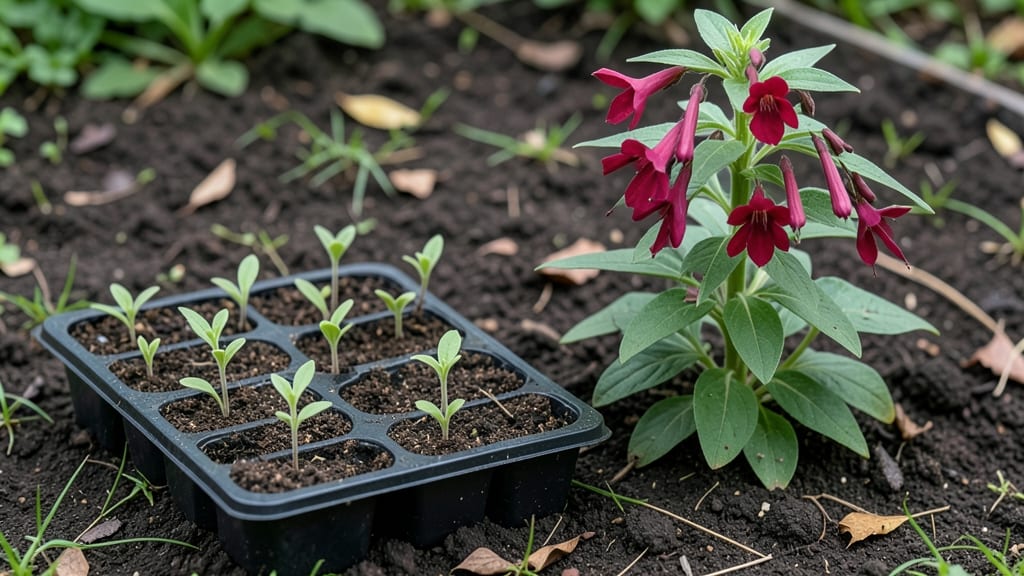
Planting in Arkansas at the right time is the key to avoiding frost damage and maximizing harvests, whether you're growing tomatoes in the Delta or greens in the Ozarks 🌱.
If you've ever rushed seedlings into the ground only to watch them wilt under a late frost—or missed the window for warm-season crops—you know how quickly a miscalculation can turn a promising garden into a disappointment.
Arkansas’s USDA Zones 6b through 8a mean your neighbors’ planting schedule might not match yours, especially when comparing the cooler highlands to the warmer river valleys. A 3-week difference in frost dates can shift your entire growing season.
This guide breaks down the exact planting windows for cool and warm crops, region-specific adjustments, and how to stretch your season with simple tricks like row covers or drought-resistant varieties.
Arkansas planting calendar by USDA Zone: exact deadlines for cool and warm season crops
Arkansas gardeners face a unique challenge: balancing humid summers and unpredictable springs while working within USDA Zones 6b-8a. The key to success lies in understanding your exact last frost dates—which vary from late February in Zone 8a to early April in Zone 6b—and adjusting planting windows accordingly.
Warm-season crops like tomatoes and peppers need soil temperatures above 60°F, while cool-season greens thrive when planted 4-6 weeks before last frost.
I’ve broken down the month-by-month planting schedule for Arkansas’ three primary zones, including high-yield crops and critical deadlines to maximize your harvest. Whether you’re in the Delta’s Zone 8a or the Ozarks’ Zone 6b, these timelines will help you avoid common pitfalls like late frosts or overheated seedlings.
Pro Tip: Use a soil thermometer to confirm temperatures—warm-season crops won’t thrive until the ground reaches 60-65°F. In cooler zones, start warm-season plants indoors 6-8 weeks before the last frost to give them a head start.
For Zone 6b gardeners, I recommend starting cool-season crops like lettuce and spinach in February under row covers to protect against late frosts. In Zone 8a, you can even plant warm-season crops like okra as early as February, thanks to the longer growing season.
However, be cautious—unpredictable spring rains can delay planting, so always have backup dates ready.
One of my biggest mistakes was planting tomato seedlings too early in Zone 7a, only to have them stunted by cool nights. Now, I wait until mid-April when soil temperatures consistently stay above 60°F.
If you’re unsure, use a seedling heat mat to give them a boost until conditions improve.
Don’t overlook fall planting—it’s a game-changer for Arkansas gardens. Cool-season crops like broccoli and kale thrive when planted in late summer (July-August), giving you a second harvest before winter. Aim to plant 6-8 weeks before your first frost, which typically falls between November 1-15 depending on your zone.
If you’re growing peppers and eggplants, remember they need longer to mature than tomatoes. In Zone 6b, start seeds indoors by March 1 and transplant after
How to adjust planting times for Arkansas’ microclimates and extreme weather risks
Arkansas’ diverse geography—from the humid river valleys of the Delta to the cooler highlands of the Ozarks—creates unique growing conditions that demand flexibility in planting schedules.
A late spring frost in the Arkansas River Valley can wipe out tender seedlings, while urban heat islands in Little Rock may push summer planting dates earlier than rural areas. These microclimates mean you can’t rely on a one-size-fits-all calendar.
To succeed, I’ve learned to use season extenders like row covers and cold frames, and to adjust planting windows based on elevation and local weather patterns.
For example, tomatoes and peppers in the Ozarks might wait until mid-May, while the same crops in the Delta could start as early as mid-April. Understanding these nuances helps me avoid common pitfalls like blossom-end rot from inconsistent moisture or stunted growth from premature planting.
🌱 Key Strategies for Arkansas Microclimates
- 1. Shift planting dates by 2-3 weeks for every 500 feet in elevation—Ozarks areas (higher altitude) plant later than river valleys.
- 2. Use row covers to extend spring planting by 3-4 weeks in frost-prone zones like the Boston Mountains.
- 3. Plant drought-tolerant crops (e.g., okra, sweet potatoes) in urban heat islands where soil dries faster.
- 4. Monitor soil temperature—wait until it reaches 60°F+ for warm-season crops like peppers, even if air temps seem warm.
- 5. Adjust for unpredictable rains—use raised beds in clay-heavy Delta soils to prevent waterlogging.
For high-altitude gardens in the Ozarks, I prioritize cold-hardy varieties like kale, broccoli, and cabbage, which can handle late frosts better than heat-sensitive crops.
I also plant these 4-6 weeks before the average last frost date (which can range from late February in the south to early April in the north).
In contrast, urban gardens in Little Rock or Fayetteville often experience earlier soil warming, allowing for earlier direct sowing of beans and squash.
Extreme weather—like the unpredictable spring rains or sudden heatwaves—can derail even the best-laid plans. To mitigate risks, I’ve started using drip irrigation for seedlings to avoid fungal diseases from overhead watering during humid spells.
For drought-prone areas, mulching with straw or wood chips helps retain moisture, while shade cloth protects tender plants from intense afternoon sun in summer.
Another trick I’ve adopted is succession planting for leafy greens like lettuce and spinach. Instead of planting all at once, I stagger seeds every 2 weeks to ensure a continuous harvest. This works especially well in fall gardens, where cooler temps slow growth but still allow for multiple cuttings.
For warm-season crops, I often make a second planting in early July to take advantage of the fall harvest window before frost.
Finally, I can’t stress enough the importance of local weather tracking. Tools like the Arkansas Cooperative Extension Service provide frost date maps and heat advisories tailored to specific counties.
By combining these resources with my own observations, I’ve learned to adjust planting times dynamically—sometimes even week-to-week—to match Arkansas’ ever-changing climate. The key is staying flexible and ready to protect your plants when Mother Nature throws curveballs.