
Plants
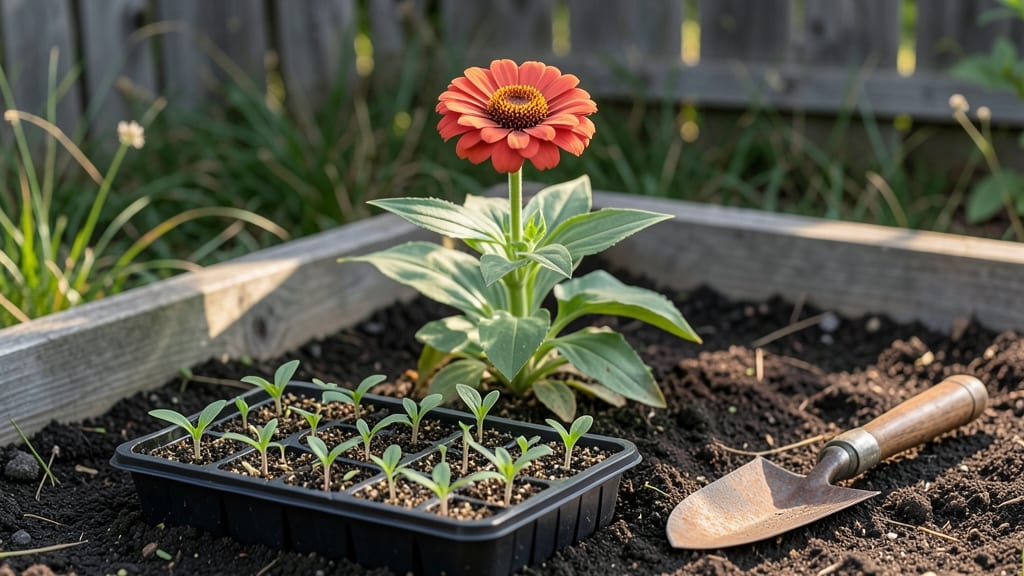
Planting in Pennsylvania depends on your hardiness zone and the type of crop—cool-season veggies like broccoli can go in as early as March, while tomatoes need to wait until after the last frost in May or June.
Pennsylvania’s diverse climate—from the humid Appalachians to the cold Lake Erie region—means planting at the wrong time can ruin your garden before it even starts. Get the exact zone-specific deadlines for vegetables, flowers, and herbs to maximize your harvest and avoid frost damage.
Whether you’re in Zone 5 (northwest) or Zone 7 (southeast), timing matters. A late frost in April can wipe out tender seedlings, while waiting too long for warm-season crops means a shorter harvest.
I’ll break down the best months for each crop, plus how to adjust for microclimates like Pittsburgh’s cooler springs or Philadelphia’s hotter summers.
By the end, you’ll know exactly when to plant for a thriving garden—no guesswork, just data-backed deadlines tailored to your corner of the Keystone State.
Pennsylvania planting deadlines by hardiness Zone (5-7) and crop type
Pennsylvania spans USDA hardiness zones 5-7, creating distinct planting windows across the state. In Zone 5 (northwest, like Erie), last frost typically arrives by May 10-20, while Zone 7 (southwest, like Pittsburgh) sees frost-free conditions by April 1-15.
Philadelphia’s Zone 6b falls in between, with a May 1 average last frost date. Understanding these deadlines ensures your vegetables, flowers, and herbs thrive without frost damage.
Cool-season crops like lettuce, peas, and kale can handle light frosts and should be planted 4-6 weeks before your last frost date. Warm-season plants such as tomatoes, peppers, and basil need soil temperatures above 60°F (15°C) and should wait until 2 weeks after your last frost.
Flowers like marigolds and zinnias also prefer warmer soil, while pansies and snapdragons tolerate cooler conditions. Herbs like cilantro and parsley thrive in spring, while basil and oregano need summer heat.
Microclimates further complicate timing. Urban areas like Philadelphia experience heat islands, delaying frost by 1-2 weeks compared to rural zones. Meanwhile, Pittsburgh’s Appalachian foothills can have earlier frosts in valleys. Always check local Almanac frost predictions and adjust for your specific location.
For example, Erie’s Zone 5 may need to wait until May 25 for warm-season crops, while Lancaster’s Zone 6 can start by May 10.
For cool-season vegetables, prioritize broccoli, cabbage, and spinach in early spring. These crops can handle light frosts down to 20°F (-7°C) and should be sown 4-6 weeks before your last frost.
In Zone 5, that means starting seeds indoors by March 1 for outdoor transplanting in April. In Zone 7, you can direct-sow as early as February 28 for a head start. Always harden off seedlings for 7-10 days before transplanting to avoid shock.
Warm-season crops require more precision. Tomatoes and peppers need 70-80°F (21-27°C) soil to germinate, so wait until 2 weeks after your last frost date. In Philadelphia (Zone 6b), that’s typically May 15, while Erie
How to adjust planting timing for Pennsylvania’s microclimates and soil conditions
Pennsylvania’s microclimates can shift planting windows by weeks—even within the same county. Urban areas like Philadelphia often experience heat islands that warm soil faster, while rural Appalachian valleys hold frost longer.
To succeed, I adjust my planting schedule based on soil temperature, frost dates, and whether I’m growing in containers or garden beds.
Start by testing your soil temperature with a thermometer—most seeds need 45°F for cool crops like peas and 60°F+ for warm crops like tomatoes. In Zone 5 (northwest PA), I wait until May 15 for warm-season plants, while Zone 7 (southeast PA) can start by April 15.
Urban gardens may need a 2-week adjustment earlier due to pavement heat.
- 1. Extend spring with row covers—use them to plant 4-6 weeks earlier for cold-sensitive crops like cucumbers or peppers.
- 2. Choose frost-tolerant varieties—‘Early Girl’ tomatoes or ‘Sugar Anne’ peas survive light frosts better than standard types.
- 3. Amend heavy clay soil with compost and sand to improve drainage—this speeds germination by 3-5 days in wet springs.
- 4. Plant warm-season crops in black plastic mulch to raise soil temps by 10°F+, letting you start 2 weeks sooner.
- 5. Monitor urban vs. rural frost—rural areas may have 3-5°F colder nights; use frost clocks from local extensions.
For urban gardeners, container planting gives you control—fill pots with lightweight potting mix to warm up faster than native soil. I’ve seen basil sprout in containers by April 10 when garden beds are still frozen. Add a heat mat under seed trays to jumpstart germination in Zone 5.
In rural areas, focus on perennial crops like asparagus or rhubarb—they establish roots before frost arrives. For annuals, use straw mulch to insulate soil and protect seedlings from late-spring frosts, which are common in Poconos or Erie regions.
Don’t forget to harden off transplants gradually—especially in windy microclimates like Allegheny Front. Acclimate plants over 7-10 days by moving them outdoors for increasing durations. This prevents shock when you finally plant them in late May.
By combining soil prep, protective covers, and frost-ready varieties, you can stretch your growing season by 6-8 weeks—even in Pennsylvania’s unpredictable climate. Start small with 1-2 test beds to refine your timing each year.