
Planting
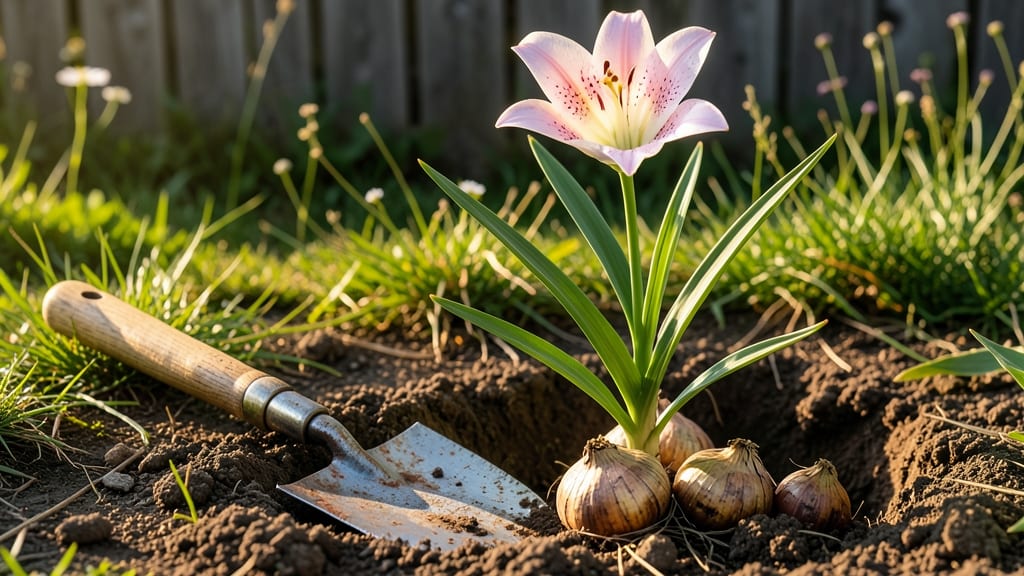
To plant lily bulbs in your garden for vibrant blooms next summer, aim for September through November in most regions — that’s the 4-6 week window before your first frost that makes all the difference.
Planting lily bulbs 🌸 at the wrong time can mean weak blooms—or no flowers at all. But timing these beauties perfectly ensures vibrant growth and stunning summer displays, whether you're in a chilly Zone 3 or a mild Zone 10.
Why does timing matter so much? Lilies need time to establish roots before winter dormancy, and planting too early or late can lead to rotting bulbs or stunted growth. The key is soil temperatures between 50-60°F, which signals the perfect moment for planting.
In this guide, you’ll discover zone-specific deadlines, how to adjust for your local climate, and the 3 signs your lilies were planted at the wrong time—so you can avoid common mistakes and enjoy a garden bursting with color next summer.
Best planting months for lily bulbs by USDA hardiness zones
Timing is everything when planting lily bulbs—especially since they need time to establish strong roots before winter dormancy. In USDA Zones 3-10, the ideal window varies dramatically, from early September in cold climates to late November in warmer regions.
Planting too early risks rotten bulbs, while waiting too late can stunt next year's blooms. Let's break down the perfect deadlines for each zone to ensure your lilies thrive.
Lilies thrive when planted in cool soil (50–60°F) and before the ground freezes. This gives bulbs 4–6 weeks to develop roots before winter. In northern zones (3–6), aim for early fall planting, while southern zones (7–10) can extend planting into late fall.
Microclimates—like urban heat islands or sheltered valleys—can also shift your ideal window by 2–4 weeks. Always check your local frost dates and adjust accordingly.
In Zone 3–4, where winters are harsh, I recommend planting Asiatic lilies by September 1st to avoid frost damage. These hardy varieties establish roots faster, making them ideal for cold climates.
For Zone 5–6, mid-September is your sweet spot—just ensure soil temps stay above 50°F to prevent bulb rot. If your area experiences early frosts, prioritize planting in south-facing beds where soil warms faster.
Gardeners in Zone 7–8 have more flexibility, with October being the prime month. However, don’t wait past early November, as bulbs need time to root before winter.
In Zone 9–10, you can stretch planting into late November, but avoid planting when soil temps exceed 70°F, which can trigger premature sprouting. For Oriental lilies, which are slower to establish, plant them 2–3 weeks earlier than Asiatics in warmer zones.
Microclimates play a huge role in adjusting your planting timeline. For example, a sheltered garden in Zone 6 might stay frost-free until late November, while an exposed area could freeze by early October. To test soil readiness, insert a soil thermometer 4 inches deep—aim for 50–60°F.
If temps are too warm, wait a week or two. Conversely, if soil cools quickly, plant 2 weeks early and mulch with straw or leaves to insulate bulbs.
One common mistake is planting lily bulbs too shallow, which can expose them to frost heave. Always bury bulbs 6–8 inches deep, with the pointy end up. For heavy clay soils, amend with compost to improve drainage.
After planting, water deeply to settle soil around the bulbs. In drought-prone areas, consider installing a drip irrigation system to maintain consistent moisture during root establishment.
If you miss the ideal window, don’t panic! In Zones 7–10, you can plant lily bulbs in December
How to choose the perfect planting window for your local climate
Timing your lily bulb planting isn't just about memorizing zone numbers—it's about reading your local climate like a pro gardener. Soil temperature, frost forecasts, and even moon phases can fine-tune when you plant for strong root development and vibrant blooms next summer.
Let's break down the science behind perfect timing beyond just hardiness zones.
First, focus on soil temperature—the golden rule for lilies is planting when the ground reaches 50-60°F. Cooler soils delay root growth, while warmer soils risk rotting bulbs. Use a soil thermometer to check before planting.
In most regions, this window falls in late summer to early fall, but exact dates vary wildly from Zone 3 to Zone 10.
Next, pay attention to frost dates—aim to plant 4-6 weeks before your first frost. This gives bulbs time to establish roots before winter dormancy. Check your local weather service for frost predictions, but also account for microclimates in your yard (e.g., frost pockets vs. sunny slopes).
A late frost can stall growth, while an early one might catch unprepared bulbs.
🌱Pro Tip: For Oriental lilies (which need extra time), plant even earlier—6-8 weeks before frost. Their slower root development demands more lead time.
⚠️ Warning: Planting Too Early or Too Late
Planting lily bulbs when soil is too warm (>65°F) risks rot or fungal diseases. Conversely, planting too late (within 2 weeks of frost) stunts root growth, leading to weak stems and poor blooms next season. Always prioritize soil temp over calendar dates!
Don't overlook moon phases—while not scientifically proven, many gardeners swear by planting bulbs during the waxing moon (when the moon is growing). This phase is believed to encourage upward growth, helping bulbs establish roots faster.
For lilies, aim for the root phase (when the moon is in Taurus, Virgo, or Capricorn), which typically aligns with late summer to early fall.
Finally, use a 10-day weather forecast to spot any unexpected cold snaps. If frost is predicted within 2 weeks of planting, delay until conditions stabilize. Mulching with straw or leaves after planting adds an extra layer of protection for early frosts. Remember: healthy roots = showstopping blooms!
By combining soil temperature, frost dates, and a little lunar intuition, you'll master the art of planting lilies for your exact climate. Happy digging—your future summer garden will thank you! 🌸