
Plants
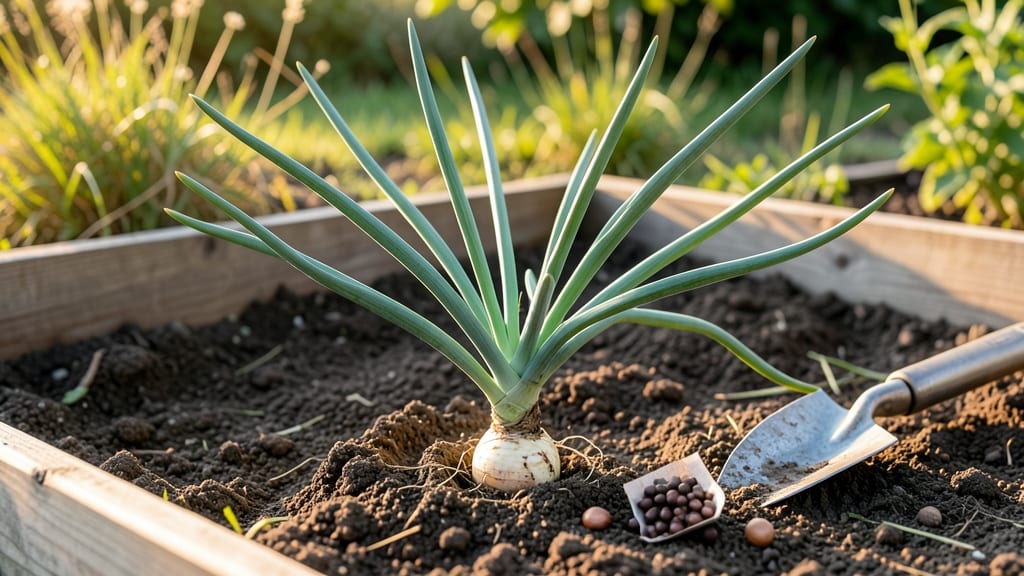
Planting onion seeds in Zone 8 at the right time determines whether you’ll end up with plump, flavorful bulbs or a sad, stunted harvest.
Struggling to decide whether fall or early spring is the best time? Timing makes all the difference—and the answer isn’t as simple as you might think.
In Zone 8, where winters are mild but summers can be brutal, fall planting often gives onions a head start, while early spring sows avoid the heat. Both methods work, but each has its own tricks for success.
Below, I’ll break down the best window for each approach, how to prep your soil, and the critical factors that separate a great harvest from a mediocre one.
Zone 8 onion seed planting timeline: fall vs. early spring breakdown
Deciding when to plant onion seeds in Zone 8 can feel overwhelming, but the choice between fall and early spring planting dramatically impacts your harvest. In my experience, fall planting often yields larger bulbs because onions develop slowly through winter, avoiding the bolting risk of spring heat.
However, early spring planting gives you more control over soil conditions and avoids potential winter losses.
The key difference lies in temperature thresholds and growth cycles. Fall-planted onions need to establish roots before frost sets in, while spring-planted seeds must germinate quickly to avoid summer bolting. Let’s break down the ideal planting windows and how each method affects bulb development.
| Factor | Fall Planting (Aug–Sep) | Early Spring Planting (Feb–Mar) |
|---|---|---|
| Ideal Planting Window | Late August to mid-September | Late February to early March |
| Temperature Threshold | Soil 60–70°F for germination | Soil 50–60°F for germination |
| Growth Cycle | Slow winter growth, larger bulbs by harvest | Rapid spring growth, smaller bulbs if hot |
| Bolting Risk | Low (cooler temps) | High (spring heat triggers bolting) |
| Harvest Window | Late spring to early summer (April–June) | Late summer to fall (July–October) |
| Best For | Bulb onions (larger yields) | Green onions or quick harvests |
Fall planting in Zone 8 gives onions a head start by letting them establish roots before winter dormancy. Seeds sown in late August to mid-September germinate in warm soil and grow slowly through fall, then resume growth in spring.
This method often produces larger bulbs because onions mature over a longer period without the stress of summer heat.
For early spring planting, aim for late February to early March when soil temperatures rise above 50°F. This timing reduces bolting risk but requires consistent moisture to prevent stunted growth.
Spring-planted onions may also mature faster, making them ideal for green onion harvests or if you’re short on fall planting time.
One critical factor is frost protection. Fall-planted onions need mulch (like straw) to insulate roots during winter. Without it, frost can damage young plants. In contrast, spring-planted onions face bolting if temperatures spike too early, so choose short-day onion varieties like '1015Y Yellow' or 'Red Baron' for better success.
If you’re new to onion growing, I recommend starting with fall planting for the first year. It’s more forgiving and often rewards you with higher yields.
However, if you’re short on garden space or prefer a quicker harvest, spring planting can work—just be prepared to monitor soil moisture closely to avoid bolting.
Remember, Zone 8 microclimates vary widely. Coastal areas may have milder winters, while inland regions can experience harder frosts. Adjust your planting dates by 1–2 weeks based on your local frost dates.
For example, if your last frost is January 20th, plant in early September to ensure roots establish before cold sets in.
For both methods, soil prep is non-negotiable. Onions thrive in well-draining, fertile soil with a pH of 6.0–7.0. Amend your soil with compost and a balanced fertilizer (like 5-10-10) before planting.
This ensures your onions have the nutrients they need to develop strong bulbs, regardless of when you sow them.
Pro tip: If you’re torn between fall and spring, consider direct-seeding both! Plant a small batch in fall for a main harvest and another in spring for
Step-by-step guide to planting onion seeds in Zone 8 (fall edition)
Fall is my favorite time to plant onion seeds in Zone 8 because it gives your crops a head start on spring growth. When you plant in late summer or early fall, the cool temperatures help young seedlings establish strong roots before winter dormancy.
This method often results in larger bulbs and a more reliable harvest. The key is timing—aim for 6–8 weeks before your first frost, which in Zone 8 typically falls around early December.
Before you begin, choose a sunny location with well-draining soil. Onions thrive in full sun (6+ hours daily) and soil with a pH between 6.0 and 7.0. If your soil is heavy clay or sandy, amend it with compost or aged manure to improve fertility and drainage.
Remove any weeds or debris to give your onion seeds a clean slate for germination.
Step-by-Step Planting Guide for Fall Onion Seeds
- Step 1: Choose the Right Variety – Opt for short-day or intermediate-day onions like 'Texas Early White' or 'Yellow Granex'. These varieties mature well in Zone 8's climate.
- Step 2: Prepare the Soil – Loosen soil to a depth of 6 inches and mix in 2–3 inches of compost. Rake the area smooth to create a fine seedbed.
- Step 3: Plant the Seeds – Scatter seeds ½ inch deep and ½ inch apart in rows spaced 12–18 inches apart. Lightly cover with soil and water gently to settle.
- Step 4: Thin Seedlings – Once seedlings reach 2 inches tall, thin them to stand 4–6 inches apart for bulbs or 2–3 inches apart for green onions.
- Step 5: Mulch for Winter Protection – Apply 2–3 inches of straw or shredded leaves after the first frost to insulate roots and retain moisture.
- Step 6: Fertilize in Early Spring – Once active growth resumes, apply a balanced fertilizer (5-10-10) to encourage bulb development.
After planting, keep the soil consistently moist but not waterlogged. Onions need about 1–1.5 inches of water per week, especially during dry spells. Water in the morning to reduce fungal diseases like onion rot.
If your area experiences freezing temperatures below 20°F, add an extra layer of mulch to protect young plants.
One common mistake is planting too late in fall, which can lead to weak seedlings that struggle to overwinter. Another is overcrowding, which reduces bulb size. If you notice seedlings becoming leggy or pale, they may need more sunlight or thinning.
Regularly check for pests like onion flies or thrips, and treat them promptly with neem oil or insecticidal soap if needed.
With proper care, your fall-planted onions will emerge in early spring with a strong start. By mid-spring, you’ll see rapid growth as the bulbs swell. Harvest when the tops yellow and flop over, usually in late spring or early summer.
This method ensures a bountiful harvest and saves you the hassle of spring planting!