
Plants
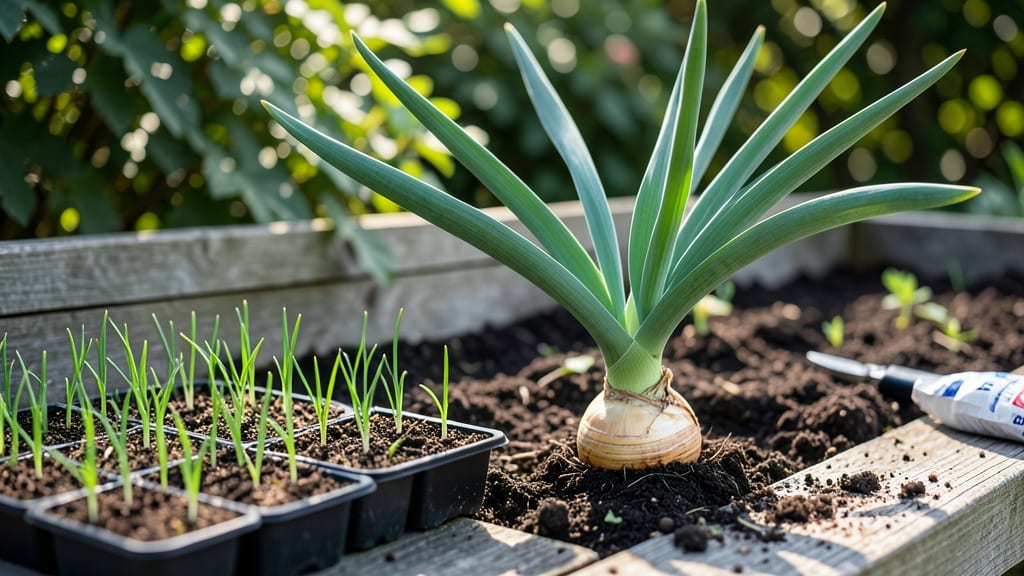
Planting onions in Georgia at the right time means the difference between sweet, plump bulbs and bitter, bolted greens 🧅 — and the secret lies in those narrow fall and spring windows.
If you’ve ever pulled up a sad, stringy onion from your Georgia garden, you’re not alone. The problem? Onions hate heat, and planting them too late in spring or too early in fall sends them into a panic, shooting up leaves instead of forming bulbs.
But get the timing right, and you’ll harvest golden, flavorful onions that rival store-bought.
Georgia’s Zone 7b-8b climate gives you two chances: fall planting (October–November) for spring harvests or early spring (February–March) for fall bulbs.
Each has its own tricks — from soil prep to variety choice — and I’ll walk you through the best approach for your region, whether you’re in the Piedmont or the coastal plains.
Ready to stop guessing and start growing? Below, I break down the exact planting dates, soil tips, and the top onion varieties that thrive in Georgia’s heat and humidity — so you can finally enjoy a harvest worth bragging about.
Optimal fall planting times for onions in Georgia (best for bulb formation)
Georgia’s fall planting window for onions is your golden opportunity to grow sweet, plump bulbs instead of bitter greens. The key is planting short-day varieties 60-90 days before your average first frost (typically November 15).
This timing ensures bulbs mature before winter dormancy sets in, while avoiding the heat stress that triggers bolting in summer.
For Zone 7b-8a gardens, aim to plant between mid-October and early November. Coastal areas like Savannah can extend this slightly later (up to mid-November), while mountain regions like Blue Ridge should start by late September.
The goal is to give onions 100-120 frost-free days to develop full bulbs before temperatures drop below 40°F.
Soil temperature is your best guide—wait until soil temps stay below 75°F but remain above 50°F at night. Use a soil thermometer to monitor, as Georgia’s unpredictable fall weather can swing wildly.
Planting too early in warm soil leads to rapid top growth and poor bulb formation, while waiting too long risks stunted development before winter.
Here’s how Georgia’s microclimates affect timing:
| Region | Ideal Planting Window | Soil Temp Threshold | Best Varieties | Key Adjustment |
|---|---|---|---|---|
| Coastal (Savannah, Brunswick) | Mid-October – Mid-November | 50–75°F (day), 60°F (night) | Texas Early White, Red Creole | Extend to late November if mild |
| Piedmont (Atlanta, Macon) | Late September – Early November | 55–70°F (day), 55°F (night) | Candy, Yellow Granex | Use black plastic mulch for warmth |
| Mountains (Blue Ridge, Dahlonega) | Late August – Late September | 50–65°F (day), 45°F (night) | Texas Early White, White Sweet | Plant earlier for shorter season |
Choose between transplants (for faster bulb formation) or sets/seeds (for larger bulbs). Transplants should be 4-6 inches tall with well-developed roots, while sets (small bulbs) can be planted directly. For seeds, start indoors 8-10 weeks before transplanting to avoid bolting.
Georgia’s short-day varieties like ‘Texas Early White’ or ‘Red Creole’ thrive in fall, while ‘Yellow Granex’ (intermediate-day) works in milder coastal areas.
Prepare your soil by amending with compost and aged manure to reach a pH of 6.0–7.0. Onions hate competition, so remove weeds and loosen soil to 12 inches deep for optimal root growth.
A 2-inch layer of mulch (straw or leaves) helps retain moisture and regulate soil temperature, which is critical in Georgia’s unpredictable fall weather.
After planting, water deeply to settle soil around roots, then maintain 1 inch of water weekly (more during dry spells). Avoid overhead watering to prevent fungal diseases like downy mildew, which thrives in Georgia’s humid climate.
Drip irrigation or soaker hoses work best, delivering water directly to the soil.
Monitor your onions for bolting signs (premature flowering) caused by heat stress or day-length changes. If you notice stems elongating or flowering, harvest the greens immediately or provide shade cloth (30-50%) to reduce light exposure.
In Georgia’s fall, this is rare if you plant at the right time, but coastal areas may need extra protection in late October.
For maximum yield, fertilize lightly with a balanced 10-10-10 fertilizer at planting, then again 4-6 weeks later with a low-nitrogen, high-phosphorus formula (like 5-10-10) to encourage bulb development. Avoid high-nitrogen fertilizers, which promote leafy growth at the expense of bulbs—a common mistake in Georgia gardens.
Harvest onions when tops yellow and fall over or when bulbs reach 1-2 inches in diameter. Cure them in a dry, shaded area for 2-3 weeks before storage.
Fall-planted onions in Georgia often produce larger bulbs than spring-planted ones because they avoid summer heat stress, making the effort well worth it.
Spring planting strategies for Georgia onions (avoiding bolting and heat stress)
Spring onion planting in Georgia requires careful timing to avoid the dreaded bolting—when onions send up flowers instead of forming bulbs. Unlike fall plantings, spring onions face heat stress and shorter daylight hours, making variety selection and shade management critical.
The key window is February through early March, but your exact timing depends on your microclimate (coastal areas can plant slightly later than Piedmont).
Start with heat-tolerant varieties like ‘Texas Early White’ or ‘Candy’ onions, which handle Georgia’s warming springs better than standard types. These varieties mature faster (around 100-120 days), giving them a better chance to bulb out before summer’s intensity peaks.
For best results, use transplants instead of seeds—they establish faster and reduce bolting risks.
⚠️ callout warning
Planting onions after March 15th risks bolting due to rising temperatures. Coastal areas (Zone 8a) can extend to early April, but Piedmont gardens (Zone 7b) should finish by mid-March. Use a soil thermometer—ideal planting temps are 50-60°F. Warmer soils trigger premature flowering, ruining your harvest.
Prepare your soil in late winter by amending with compost and a balanced fertilizer (10-10-10). Onions thrive in loamy, well-draining soil with a pH of 6.0-7.0.
Test your soil first—Georgia’s clay-heavy soils often need sand or peat moss to improve drainage. Avoid fresh manure, which can cause bolting due to high nitrogen spikes.
To combat heat stress, use shade cloth (30-50% shade) during April and May when temperatures exceed 85°F. Secure lightweight cloth over hoops or trellises to protect seedlings without blocking airflow. Mulch with straw to retain moisture and keep roots cool.
Water deeply once a week in the morning to prevent fungal diseases like downy mildew, which thrives in Georgia’s humid summers.
Common spring planting mistakes include overcrowding (space sets 4-6 inches apart) and skipping mulch, which leads to soil crusting. Another pitfall is planting too deeply—keep the top of the bulb just below soil level to prevent rot.
For a second crop, try short-day varieties like ‘Red Creole’ in late summer (August), but prioritize spring for the largest bulbs.
Extend your harvest by succession planting every 2-3 weeks through early April. This staggered approach ensures a continuous supply of green onions (harvest tops as needed) and mature bulbs (harvest when tops yellow and fall over).
With these strategies, you’ll beat Georgia’s heat and enjoy sweet, plump onions instead of bitter, bolted greens.