
Trees
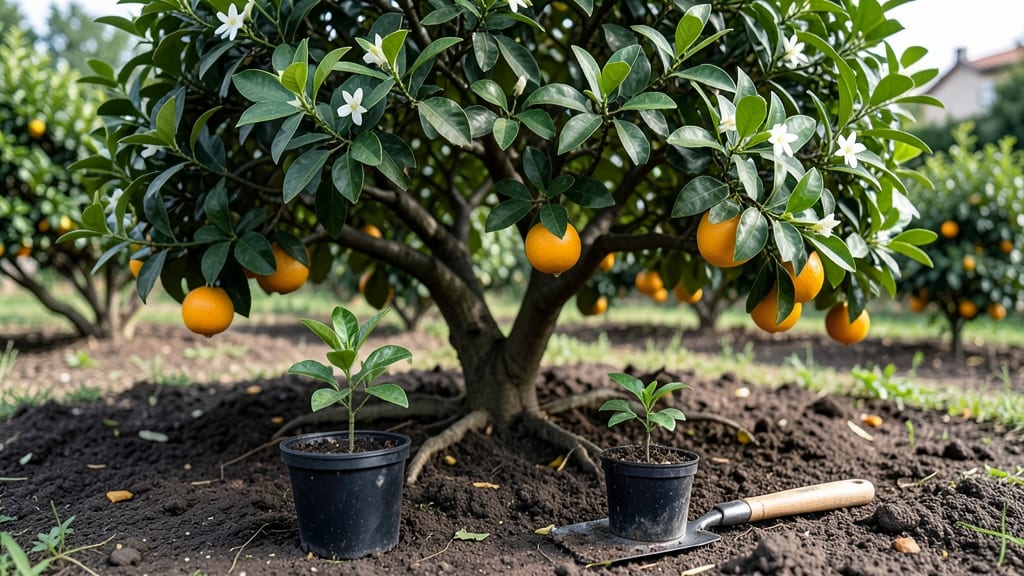
Planting orange trees in Arizona during the coolest months—November through March—sets your 🍊 up for thriving growth and heavy fruit production, even in the desert’s extreme heat.
You might think frost is the enemy, but Arizona’s microclimates mean timing is about more than just avoiding cold snaps. Plant too early, and your tree battles the monsoon’s waterlogging. Too late, and summer’s intensity stunts root development before it even starts.
Below, I break down the exact planting window for your USDA Zone, how to prep soil for citrus success, and whether container planting gives you an edge over in-ground methods in the low desert’s heat.
You’ll also discover how local nurseries recommend adjusting for high-desert elevations, plus the one mistake that kills more young orange trees here than anything else.
Best planting months for orange trees in Arizona’s heat zones
Arizona’s USDA heat zones 8-11 create a unique window for planting orange trees. Unlike northern climates, frost isn’t the main concern—extreme summer heat and soil temperature thresholds dictate the best times.
Most regions thrive when planted in cool winter months, but Zone 11 (like Yuma) has a slightly extended window due to milder winters.
The key is planting when soil temperatures stay above 60°F but before the spring heatwave kicks in. For high-desert areas (Zone 8-9), November through January is ideal.
In low-desert zones (Zone 10-11), you can push planting into early spring, but avoid the monsoon season (July-September) when heavy rains can drown roots.
Why November-January? Cooler temps reduce transplant shock, and the winter rains help establish roots before summer’s intensity. However, Zone 11’s milder winters allow planting into February or even March—just ensure soil temps stay above 55°F.
In high-desert zones (8-9), like Flagstaff or Prescott, focus on November planting before the first cold snaps. These areas experience colder winter nights, so young trees need frost protection like windbreaks or row covers. Dwarf varieties like ‘Calamondin’ handle these conditions better than standard types.
For low-desert zones (10-11), such as Phoenix or Yuma, January–February is ideal. The soil stays warm year-round, but planting too early can expose roots to unpredictable cold snaps.
If you plant in Zone 11 after February, prioritize deep watering and mulching to combat summer’s intense evaporation.
One common misconception is that spring planting (March–April) works everywhere in Arizona. While possible in Zone 11, it’s risky in Zones 8–10 because spring heat arrives suddenly, overwhelming young roots. Always check 7-day soil temps before planting—aim for consistent 60°F+.
Container planting offers flexibility for Zone 8–9 gardeners. Move potted orange trees indoors during winter cold snaps (below 32°F) or use a greenhouse. In Zones 10–11, containers work year-round but require daily watering in summer to prevent root burn.
Pro tip: Test soil moisture before planting. Arizona’s alkaline clay soils drain poorly after rains. Amend with compost and gypsum to improve drainage and root aeration. For sandy soils (common in Yuma), mix in organic matter to retain moisture.
Remember, young orange trees take 1–3 years to bear fruit in Arizona’s climate. Planting at the right time ensures strong root establishment and healthier trees ready for year-round harvests. 🍊
Critical pre-planting checks: soil, sun, and frost protection
Before planting your orange tree in Arizona, focus on three critical factors: soil pH, sun exposure, and frost protection. Arizona’s alkaline soil (often pH 7.5–8.5) can stress citrus roots, while 6+ hours of direct sun is non-negotiable for fruit production.
Even in frost-free zones, young trees need protection from unexpected cold snaps, especially if you’re in higher elevations like Flagstaff.
Start by testing your soil pH—orange trees thrive in 6.0–7.5. If your soil tests higher (common in Arizona), amend it with elemental sulfur or peat moss to lower pH gradually.
For sun exposure, pick a south-facing spot with no shade from structures or other trees. Avoid planting near large rocks or slopes, which can dry out roots quickly.
🌱 Planting Orange Trees in Arizona: Pros & Cons
✅ Pros
- Frost-free in most areas (Zone 9b+)
- Year-round growing potential
- Alkaline soil tolerance with amendments
- 6+ hours of natural sunlight daily
❌ Cons
- Alkaline soil requires pH adjustment
- High heat can stress young trees
- Wind exposure in open desert areas
- Monsoon risks (July–Sept) for waterlogging
💡 Rootstock Tip
Use Swingle citrumelo rootstock for cold tolerance (down to 15°F) or Carrizo citrange for drought resistance. Both thrive in Arizona’s alkaline soils once amended.
For frost protection, even in Arizona’s mild winters, young trees (under 3 years old) benefit from burlap wraps or row covers if temperatures dip below 28°F. In high-desert areas like Prescott, consider planting near a south-facing wall to absorb and radiate heat.
Mulch with wood chips (2–3 inches deep) to insulate roots and retain moisture.
If your soil drainage is poor (common in clay-heavy areas), raise the planting bed or mix in perlite and compost to improve aeration. Arizona’s alkaline soil can lock out essential nutrients like iron and zinc, so supplement with a citrus-specific fertilizer every 4–6 weeks during growing season (spring and fall).
Finally, avoid planting during monsoon season (July–September), when heavy rains can drown roots. Instead, aim for November–March, when temperatures are cooler and soil moisture is stable. This window also aligns with rootstock dormancy, reducing transplant shock.
With these checks complete, your orange tree will establish strong roots and thrive in Arizona’s unique climate—producing fruit year-round with minimal stress. 🍊