
Trees
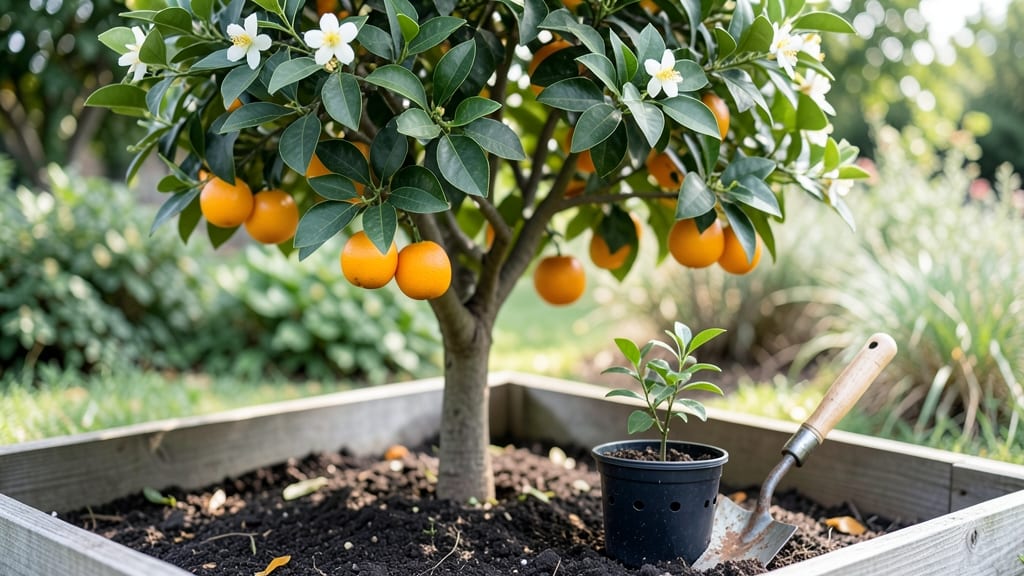
Planting orange trees in California at the right time 🍊 can mean the difference between a thriving, fruit-bearing tree and one that struggles to take root.
If you’ve ever watched a young orange tree wilt after a surprise frost or seen neighbors’ trees bloom too late for a harvest, you know timing matters more than most gardeners realize.
California’s microclimates—from frost-free coastal areas to inland valleys with chilly nights—create wildly different planting windows. The best time to plant depends on whether you’re in Zone 9b or Zone 11, and whether you’re setting a container tree or digging in the ground.
Below, I break down the exact months to plant by region, how to adjust for late frosts, and whether fall or spring is your best bet for a bountiful harvest.
Optimal planting months for orange trees by California Climate Zones
California’s diverse climate zones—from frost-free coastal areas to inland valleys with winter chill—create wildly different planting windows for orange trees. In Southern California, you can plant almost year-round, while Northern California’s frost risk demands precision timing.
Even within regions, microclimates like desert lowlands or coastal fog belts shift the ideal window by months. Let’s break down the best times to plant by zone, including soil temperature thresholds and frost-free dates.
For Southern California (USDA Zones 9b-11), the optimal planting window stretches from November through March. This period avoids summer’s intense heat stress and ensures roots establish before spring growth.
In Central California (Zones 9a-10b), aim for late February to May, aligning with the last frost date (typically March 15 in valleys). Meanwhile, Northern California’s coastal areas (Zones 9b-10a) allow planting from March to June, while inland frost pockets (Zones 8a-9a) should wait until after April 15.
Soil temperature is the hidden factor—orange tree roots thrive when soil stays above 60°F (15°C). In desert regions like the Coachella Valley, soil heats up faster, so fall planting (September-October) is ideal to avoid summer stress. Coastal areas with cooler soils (e.g., San Francisco Bay) can plant as late as June, but inland valleys like the Central Valley must finish by May to avoid late-spring frosts.
| California Zone | Best Planting Months | Soil Temp Threshold | Last Frost Date | Microclimate Notes |
|---|---|---|---|---|
| Southern CA (9b-11) | Nov–Mar | 60°F+ (15°C) | None | Desert areas: Sep–Oct |
| Central CA (9a-10b) | Feb–May | 60°F+ (15°C) | Mar 15 | Valleys: Avoid May heat |
| Northern CA Coastal (9b-10a) | Mar–Jun | 55°F+ (13°C) | Apr 1 | Cooler soils delay planting |
| Northern CA Inland (8a-9a) | After Apr 15 | 65°F+ (18°C) | May 10 | Frost pockets risk |
Container-grown orange trees offer flexibility—you can plant them almost anytime, even in summer, as long as you provide shade cloth and extra water. However, bare-root trees (common in nurseries) must go into the ground during their dormant season, typically November–March.
If you’re in a high-altitude area (e.g., Lake Tahoe region), consider container planting to move trees indoors during winter or use microclimate protection like windbreaks.
One critical mistake is planting too early in frost-prone zones, which can lead to root rot from cold, soggy soil. Conversely, planting too late in hot inland areas (e.g., June in the Central Valley) stresses young trees with heat shock.
Always check your local USDA zone and historical frost data—tools like the California Climate Smart map can help pinpoint your exact risks.
For Valencia oranges, which thrive in warmer zones, fall planting (September-October) in Southern California ensures they bear fruit by their second year. Meanwhile, Navel oranges, better suited to cooler microclimates, should be planted in early spring (March-April) in Northern California to avoid winter dieback.
Dwarf varieties (like ‘Calamondin’) adapt better to container life, letting you plant anytime with proper care.
Pro tip: Test your soil’s drainage before planting—orange trees hate waterlogged roots. Amend heavy clay soils with compost and sand to mimic their
How to adjust planting time for your specific microclimate
California’s diverse microclimates mean your orange tree might thrive in January in coastal San Diego but need to wait until March in frost-prone Sacramento. The key is adjusting your planting window based on soil warmth, frost risk, and local weather patterns.
Even a few degrees can make the difference between root rot and robust growth.
Urban gardens, high-altitude areas, and valley floors all have unique challenges. For example, Los Angeles’s coastal breeze keeps soil cooler longer, while Palm Springs’s desert heat allows earlier planting.
By using mulch, windbreaks, and proper soil prep, you can extend your planting window by 4-6 weeks—even in tricky microclimates.
Here’s how to fine-tune your planting schedule for urban heat islands, mountain foothills, or frost-prone valleys:
- 🌡️ Check soil temperature—plant when soil reaches 60°F+ (use a soil thermometer or wait for last frost date + 2 weeks).
- 🌿 Use mulch (3-4 inches of wood chips or straw) to insulate roots—extends planting window by 3-4 weeks in cool areas.
- 🪴 Container trees can be planted year-round—just avoid extreme heat (above 90°F) or frost (below 32°F).
- 🌬️ Add windbreaks (bamboo screens or evergreen hedges) to protect young trees from drying winds in urban areas.
- ☀️ Plant in south-facing spots to maximize sun exposure—critical for fruit production in shady microclimates.
If you’re in a high-altitude area (like Mammoth Lakes), delay planting until late April to avoid late-spring frosts. In contrast, desert regions (like Riverside) can plant as early as November—just water deeply to prevent root shock in sudden heat spikes.
For urban gardens, where pavement raises temperatures, opt for dwarf varieties and plant in large containers with heat-reflective mulch. This lets you plant 2-3 weeks earlier than in-ground trees.
Always amend soil with compost and sand to improve drainage—waterlogged roots are a common killer in compacted city soil.
Pro tip: Monitor your local USDA Hardiness Zone and microclimate maps (like California Climate Zones from UC Davis). Even a 5-mile shift can change your planting window by 2-3 weeks.
With these adjustments, you’ll give your orange tree the best shot at thriving—no matter where you garden in California! 🍊