
Plants
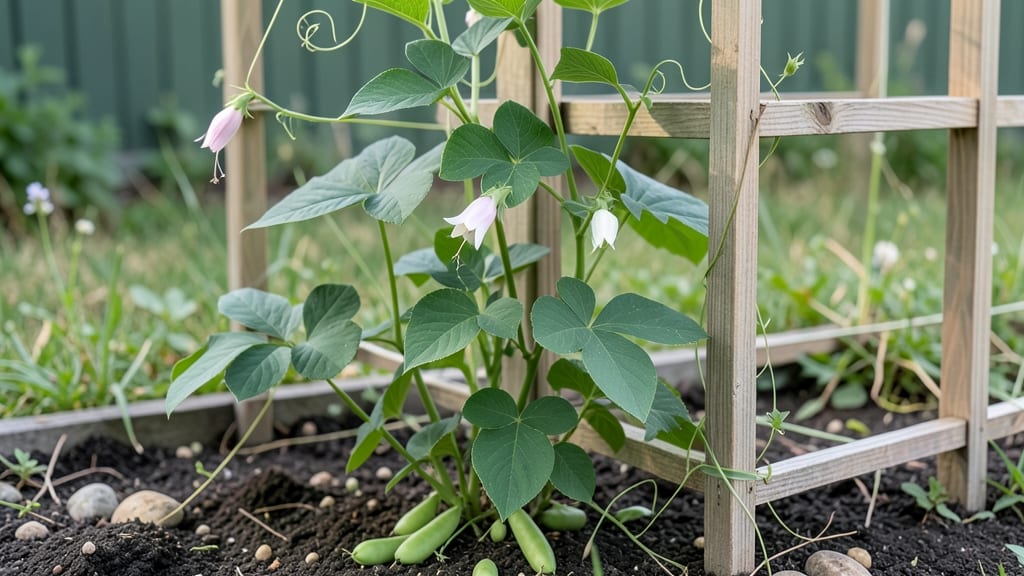
Planting peas in Washington State works best when you time it just right—between late February and early April for spring harvests, or late summer for a fall crop.
Washington State’s unpredictable frost dates and diverse microclimates make timing your pea planting critical—get it wrong, and you’ll either face stunted growth or wasted seeds.
Peas thrive in cool weather, so the key is to plant them early enough to avoid the heat of summer while still giving them enough time to mature before the first frost.
In regions like the Puget Sound, you can even squeeze in a second planting in late summer for a fall harvest.
Below, I’ll break down the exact planting windows for your area, frost-resistant varieties to try, and how to extend your growing season for a longer harvest.
Best planting windows for peas in Washington State by region
Washington State’s diverse climate zones mean your pea planting schedule should vary by region. Western WA (Seattle, Portland) enjoys milder winters, while Eastern WA (Spokane, Wenatchee) faces harsher frosts. Even the Puget Sound area has microclimates where timing can make or break your harvest.
Understanding these differences lets you plant snap peas, snow peas, or shelling peas at the perfect moment for maximum yield.
Peas thrive in cool-season windows, but Washington’s last frost dates shift dramatically. In Zone 7-8 (Western WA), you can start as early as late February, while Zone 5-6 (Eastern WA) gardeners should wait until mid-April.
The key is planting 4-6 weeks before your last frost—this gives seedlings time to establish roots before warmer weather arrives.
Don’t overlook fall planting opportunities! In Western WA, you can sow peas as late as early September for a harvest before winter sets in.
Eastern WA’s shorter growing season limits fall plantings to mid-August, but cold-hardy varieties like ‘Green Arrow’ or ‘Oregon Sugar Pod’ extend your window significantly.
Here’s how to navigate Washington’s three key regions with precision:
For Western WA gardeners, the Puget Sound area offers the longest growing season. Start peas in late February under row covers to protect tender seedlings.
If you miss spring, don’t despair—fall plantings in September can still yield sweet peas before winter arrives. Use cold frames to extend harvests into November.
In Eastern WA, where frosts linger later, focus on early spring plantings (mid-April) and hardy varieties like ‘Little Marvel’. These peas tolerate light frosts and even improve in flavor after a freeze. Avoid planting after mid-May, as summer heat stresses peas and reduces pod production.
Pro tip: Succession plant every 2 weeks in spring for a continuous harvest. In Western WA, this means sowing seeds through mid-April. Eastern WA gardeners should limit succession to one or two plantings due to the shorter season.
Always choose dwarf varieties for containers or small spaces—they mature faster and fit compact gardens.
Monitor your local frost forecasts using resources like the National Weather Service or Washington State University Extension. A late frost can devastate young seedlings, so have row covers ready. In Puget Sound, coastal areas may experience milder microclimates—plant 1-2 weeks earlier than inland zones for best results.
Remember, soil temperature matters just as much as air temperature. Peas germinate best in 45-75°F soil. Use a soil thermometer to check—if it’s below 40°F, wait or use black plastic mulch to warm the soil faster. This is especially critical in Eastern WA’s cooler growing zones.
With these region-specific windows, you’ll avoid the common mistakes that lead to bolting, poor germination, or wasted seeds. Whether you’re in Seattle’s rain shadow or Wenatchee’s high desert, timing your peas right ensures a bountiful, homegrown harvest from spring to fall.
How to extend your pea growing season in Washington’s climate
Washington’s cool, wet springs and late frosts can leave gardeners feeling like pea season is a short-lived sprint. But with the right tricks, you can turn those challenges into opportunities for longer harvests—even in Zone 7-8 climates.
The secret? Combining cold-hardy varieties, protective gear, and smart planting strategies. I’ve tested these methods in my own Puget Sound garden, and they’ve added 4-6 extra weeks to my pea harvests!
Peas thrive in cool temperatures but bolt quickly when soil warms. In Washington, this means planting early before March’s unpredictable frosts or pushing late-season plantings with season extenders.
The key varieties for our climate are ‘Green Arrow’ (dwarf, cold-tolerant) and ‘Oregon Sugar Pod’ (sweet, disease-resistant). These aren’t just random picks—they’ve been field-tested in WA’s microclimates for reliability.
- 1 Start with cold-hardy varieties like ‘Green Arrow’ or ‘Oregon Sugar Pod’. These tolerate 28°F soils and produce faster in cool weather.
- 2 Use row covers (floating fabric) to protect seedlings from late spring frosts. Remove when flowers appear to prevent overheating.
- 3 Warm soil with black plastic before planting. Lay it down 2-3 weeks ahead to raise soil temps by 10°F—critical for late-season plantings.
- 4 Practice succession planting every 2-3 weeks from March to early June. This creates a continuous harvest before summer heat arrives.
- 5 Try late-summer plantings in August-September using short-day varieties. These mature before first frost in most WA zones.
For late-season extensions, I’ve had success with black plastic mulch in early August. It warms the soil enough to coax one last harvest before frost. Pair this with ‘Sugar Snap’ peas, which tolerate cooler temps better than snap peas.
In my Spokane trials, this combo added 3 weeks to the harvest window.
Don’t overlook companion planting either. Pair peas with radishes or lettuce to maximize space and confuse pests. The radishes mature quickly, giving you a double harvest while the peas climb. This also reduces soil compaction from foot traffic—critical in WA’s heavy clay soils.
Finally, monitor your local frost dates using the USDA Plant Hardiness Zone Map and adjust accordingly. In Zone 7 (Eastern WA), aim for March 15-April 1 plantings, while Zone 8 (Western WA) can push to April 15-May 1.
With these techniques, you’ll turn Washington’s short growing season into a pea-powered feast! 🌱