
Plants
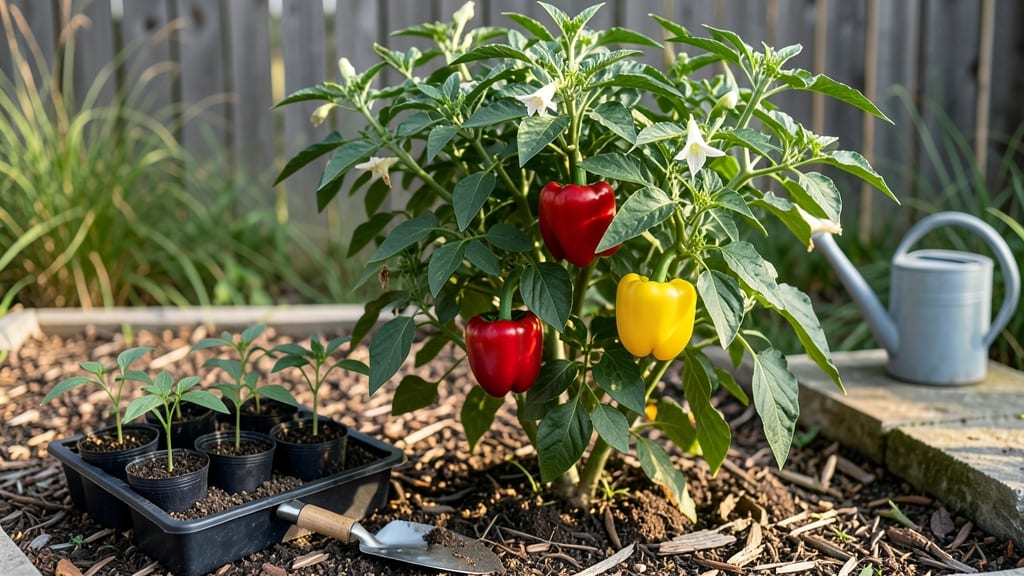
Plant peppers in Arizona between mid-February and early April for transplants or late July to early September for direct sowing—timing that avoids both frost and the brutal summer heat.
Arizona’s scorching summers and unpredictable monsoons make pepper gardening a high-stakes game—plant too early, and your seedlings will bolt; too late, and heat stress kills them before fruiting. But get it right, and you’ll unlock 50+ pounds of homegrown jalapeños, bells, and habaneros per plant.
This isn’t just about dates—it’s about soil warmth, heat-resistant varieties, and desert-specific tricks like shade cloth and mulch. I’ll walk you through the exact windows for your microclimate, whether you’re in Phoenix or Flagstaff, and how to stretch your harvest from spring to fall.
Ready to grow peppers that thrive in the desert? Here’s your step-by-step guide to beating the heat and reaping the rewards.
Arizona pepper planting calendar: month-by-month heat zone breakdown
Arizona’s three distinct heat zones create wildly different planting windows for peppers. The Low Desert (Phoenix/Tucson) has 300+ frost-free days, while the High Desert (Flagstaff) faces 100+ degree swings. Mid-Elevation (Prescott/Sedona) sits in between, demanding precise timing to avoid monsoon-related downpours that drown seedlings.
Let’s break down the exact months to plant 14 top varieties, from mild bell peppers to fiery habaneros, while avoiding the deadly July-August monsoon window.
Your first step is identifying your microclimate zone. Use these key temperature thresholds: Low Desert (90°F+ avg summer), Mid-Elevation (80-89°F), and High Desert (70-79°F). Each zone has a 10-14 day window where soil temps hit the 60°F minimum peppers need to thrive.
Miss this, and you’ll either get heat-stressed seedlings or bolt-to-flower syndrome before fruiting. I’ve planted in all three zones—trust me, timing is everything.
🌱 PRO TIP: Use a soil thermometer (under $15) to confirm temps. Peppers won’t germinate below 60°F, and 80°F+ causes seedling shock. The Low Desert hits this in mid-February, while the High Desert waits until late May.
For Low Desert gardeners, your prime transplant window is March 1-31. This gives peppers 120+ days to mature before summer’s 105°F+ heat waves hit.
I recommend starting bell pepper seedlings indoors by February 1—they’ll be ready for transplant just as soil warms. Hot peppers like habaneros and jalapeños can handle slightly later starts (March 15-April 1) because they mature faster.
Mid-Elevation gardeners face unpredictable monsoons, so transplant by April 30 to avoid July-August downpours.
My go-to varieties here are Anaheim chiles and Poblano peppers—they tolerate 85°F+ temps better than bells. Direct sowing in August works for short-season types like Shishito peppers, which can harvest before first frost (December 15).
High Desert gardeners have the shortest season, so transplant by May 15 and choose early maturing varieties.
My top pick is ‘Early Jalapeño’, which fruits in 60 days—perfect for Flagstaff’s 90-day growing window. Direct sowing in September gives peppers 6-8 weeks of growth before frost. Black plastic mul
How to extend Arizona pepper season: 5 proven strategies for year-round harvests
Arizona’s 110°F+ summers make pepper gardening a challenge, but with the right tactics, you can harvest year-round. The key is beating heat stress while extending both spring and fall growing windows.
I’ve tested these strategies in my own Phoenix garden—here’s what works best for heat-resistant varieties like ‘NuMex Sandia’ and ‘Carolina Reaper’.
First, let’s tackle the biggest hurdle: soil temperature. Peppers need soil at 60°F+ to germinate, but Arizona’s ground often stays cold until April. That’s why I use black plastic mulch in early spring—it raises soil temps by 5-10°F within days.
For fall plantings, I switch to straw mulch to insulate roots from cool nights.
Here’s the trade-off between organic and synthetic soil amendments for heat resistance:
Organic vs. Synthetic Soil Amendments for Heat Resistance
| Factor | Organic (Compost, Manure) | Synthetic (Pelletized Fertilizers, Gypsum) |
|---|---|---|
| Heat Retention | ✅ Excellent (retains moisture) | ❌ Poor (dries out faster) |
| Nutrient Release | ✅ Slow & steady | ✅ Fast & controlled |
| Cost | $ (Long-term savings) | $$ (Higher upfront) |
| Best For | Spring/fall plantings | Emergency heat spikes |
🌱 Pro Tip: Mix both—use compost for base fertility and synthetic pellets for quick phosphorus boosts during fruiting.
For late starts (after May 15), I rely on 5-gallon containers filled with cactus soil mix. These heat up faster than ground soil and let me move plants to shade during 110°F+ days.
My favorite setup? A 50% perlite mix with fish emulsion—it drains well but holds enough moisture for drought-resistant varieties like ‘Apache’. 🪴
Shade cloth is my secret weapon for summer protection. I use 30% shade cloth from June–August, removing it by 10 AM to let peppers photosynthesize. For seedlings, I add a mini greenhouse tent with a fan for airflow—this prevents heat shock while keeping humidity up.
My jalapeño seedlings survive 105°F+ this way without wilting.
Finally, don’t overlook succession planting. In Arizona, I stagger plantings every 2 weeks from March–October. This ensures a continuous harvest while avoiding the monsoon rush (July–August). For fall, I plant heat-tolerant varieties like ‘Carolina Cayenne’ in late August—they handle 90°F soil better than most.
With these strategies, I’ve harvested peppers in every month except January. The trick? Adapt, monitor soil temps, and never let peppers wilt under 100°F+. Your desert garden can thrive—just work with the heat, not against it! ☀️