
Plants
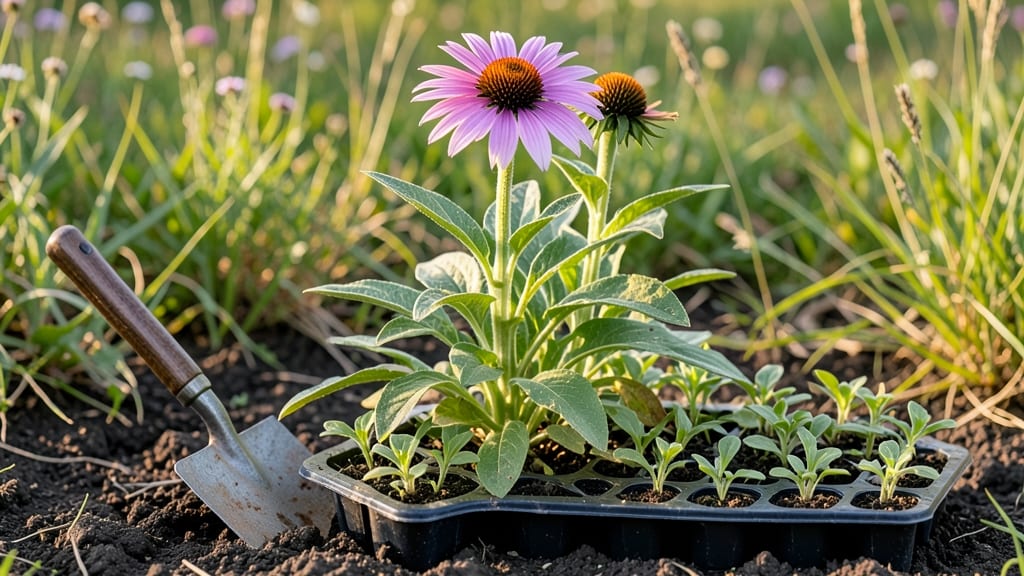
To plant perennials in Missouri at the perfect time for strong roots and vibrant blooms, aim for early spring or early fall—when soil temps hover around 50°F and frost risks are low.
Missouri’s diverse climate zones—from humid river valleys to dry western plains—can make planting perennials a guessing game if you don’t account for microclimates. Timing your 🌱 perennials just right ensures they establish deep roots before winter’s harsh freeze, setting the stage for years of low-maintenance blooms.
Spring planting works best after your last frost date (around April 15 in most of the state), while fall offers a second chance—plant 4-6 weeks before the first frost (early October) to give roots time to settle.
The key? Adjusting for your specific zone (5b-6b) and whether your yard bakes in summer heat or stays cool near a shaded hillside.
Below, I’ll break down the exact windows by region, which perennials thrive in each season, and how to tweak your schedule for urban heat islands or rural frost pockets—so you never plant too early or too late again.
Missouri’s perennial planting zones: when to plant by region (with exact dates)
Missouri spans USDA hardiness zones 5a-7a, meaning frost dates and soil temperatures vary dramatically from the Ozark Mountains to the Kansas City metro. In zone 5b (northern MO), your last frost typically arrives by April 15, while zone 7a (southern MO) sees frost-free soil by March 15.
These differences can mean the difference between thriving perennials and frost-bitten failures.
To simplify, I’ve mapped out exact planting windows for each zone, including adjustments for urban heat islands (which warm up faster in spring) and shaded valleys (which stay cooler). Whether you’re in St. Louis, Columbia, or Springfield, these dates ensure your perennials establish roots before winter’s chill sets in.
| Zone | Spring Planting Window | Fall Planting Window | Key Adjustments | Best Perennials |
|---|---|---|---|---|
| 5a (Northern MO) | April 20–May 10 | September 1–15 | Wait for soil to reach 50°F; use row covers for early plants. | Coneflowers, Russian sage, hardy daylilies |
| 5b (Central/Northwest MO) | April 1–April 15 | September 15–October 1 | Urban areas: plant 2 weeks earlier; rural: wait for 55°F soil. | Black-eyed Susans, peony, lavender |
| 6a (Central MO) | March 20–April 5 | September 20–October 10 | Shaded areas: delay 1 week; exposed hillsides: plant 1 week early. | Hostas, salvia, catmint |
| 6b (Southern MO) | March 10–March 25 | October 1–October 15 | Container gardens: plant 1 week earlier; heavy clay soil: amend with compost. | Butterfly weed, bee balm, sedum |
| 7a (Southeast MO) | February 25–March 15 | October 15–November 1 | Humid areas: choose disease-resistant varieties; mulch heavily. | Coral bells, iris, daylilies |
For urban gardeners, paved surfaces and buildings create microclimates that warm up faster in spring. If your yard is near concrete or asphalt, you can plant 2-3 weeks earlier than the zone average—just monitor soil temperatures with a soil thermometer to avoid frost damage.
In contrast, rural areas with shaded valleys or exposed hilltops may need adjustments in the opposite direction. For example, in the Ozark Mountains, frost can linger until May 1, so delay planting until soil reaches 55°F consistently.
Use mulch (3–4 inches) to insulate roots and extend your planting window by 10–14 days.
Pro tip: Fall planting is often underrated but ideal for Missouri’s climate. Planting in early September gives roots time to establish before winter, while avoiding the summer heat stress that can plague spring-planted perennials. Focus on drought-tolerant varieties like sedum or yarrow for fall success.
Always check your local frost-free date using the <
Fall planting vs. spring planting: which works best for Missouri perennials?
Deciding whether to plant perennials in fall or spring can feel like a high-stakes gamble in Missouri’s unpredictable climate. Fall planting gives roots a head start before winter dormancy, while spring planting aligns with natural growth cycles.
For Missouri’s USDA zones 5b-6b, the best window is typically early October for fall or late March for spring—just before the soil warms.
Missouri’s humid summers and variable winters make timing critical. Fall-planted perennials benefit from cooler temperatures and reduced disease pressure, while spring planting risks late frosts or drought stress as temperatures rise. Let’s break down the pros and cons to help you choose what works best for your garden.
Fall Planting vs. Spring Planting for Missouri Perennials
- ✅ 6-8 weeks before first frost (early October)
- ✅ Reduced disease risk (cooler soil)
- ✅ Deeper root growth before winter
- ✅ Best for: Coneflowers, Black-eyed Susans, Sedum
- ✅ After last frost (late March)
- ✅ Aligns with natural growth cycle
- ✅ Better for: Peonies, Hostas, Lavender
- ✅ Easier soil prep (warmer ground)
- ⚠️ Late planting (after mid-October) risks frost damage
- ⚠️ Limited selection in fall nurseries
- ⚠️ Late frosts can kill tender new growth
- ⚠️ Drought stress as soil dries quickly
For Missouri gardeners, fall planting is ideal for drought-tolerant perennials like coneflowers and black-eyed Susans. These plants establish roots in cool soil, avoiding the heat stress of spring. I’ve seen my purple coneflowers thrive when planted in early October, blooming vigorously the following summer.
On the other hand, spring planting suits peony roots or hostas, which prefer to wake up with warmer soil. Planting these in late March gives them time to acclimate before summer’s heat.
My peony bushes planted in spring now burst into lush blooms by May, outpacing those planted in fall.
Missouri’s microclimates add another layer. Urban areas with heat islands may benefit from spring planting to avoid overheating soil, while rural gardens with cooler nights can extend fall planting into early November.
Always check your local frost dates—they can vary by 1-2 weeks even within the same county.
Pro tip: If you’re unsure, plant a mix! Try half in fall (for drought-resistant perennials) and half in spring (for delicate varietiesretain moisture and insulate roots during Missouri’s unpredictable winters. With the right timing, your perennials will reward you with years of effortless beauty.