
Plants
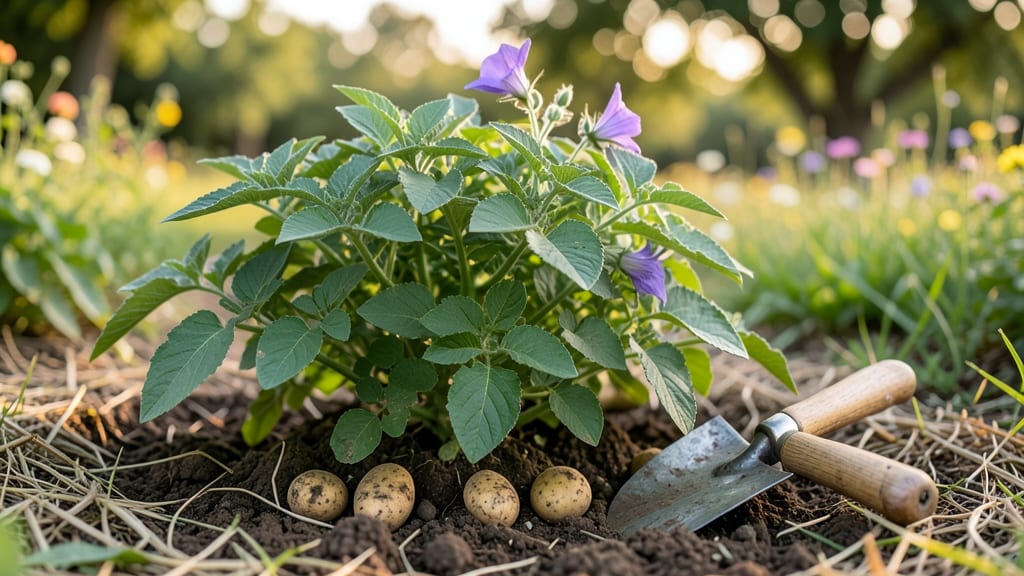
Plant potatoes in Zone 5B about 4-6 weeks before your last expected frost—typically mid-March to early April—to give them time to mature before summer heat sets in.
Timing your potato planting in Zone 5B can mean the difference between a bountiful harvest and wasted effort—get it wrong, and your tubers may rot before they mature. But with the right schedule, you’ll enjoy crisp, homegrown 🥔 all summer long.
Most gardeners in this zone rush to plant too early, only to see their potatoes struggle in cold, wet soil. The key is waiting until the ground warms to at least 45°F—a simple soil thermometer check makes all the difference.
In this guide, I’ll break down the exact weeks before last frost for early, mid-season, and late varieties, plus soil prep tips and spacing tricks to maximize your yield—no guesswork, just results.
Exact weeks before last frost to plant potatoes in zone 5B
Planting potatoes in Zone 5B requires precision—too early, and frost will damage tender sprouts; too late, and your harvest may arrive after the first frost. The general 4-6 week rule applies, but Zone 5B’s average last frost date of April 15 (with regional variations) demands a more tailored approach.
Understanding your soil temperature (ideal: 45-50°F) and frost risk is key to timing success.
For early varieties like Yukon Gold or Red Pontiac, aim to plant 4-5 weeks before your last frost. These fast-maturing types (70-90 days) need a head start to avoid frost damage.
Meanwhile, mid-season varieties like Kennebec should go in 3-4 weeks before last frost, while late varieties like Russet Burbank can wait until 2-3 weeks before frost—but risk shorter harvest windows.
Soil temperature is just as critical as frost dates. Potatoes won’t sprout until the soil reaches at least 45°F, and 50°F+ ensures faster, healthier growth. Use a soil thermometer to confirm readiness—planting in cold soil delays emergence and invites rot.
In Zone 5B, this often aligns with mid-to-late April, but early March plantings under row covers or in warm microclimates (like south-facing slopes) can work for cold-hardy varieties.
Here’s the science-backed breakdown of your planting window in Zone 5B, accounting for variety maturity and frost risk:
Adjust your timing based on microclimates in your garden. A south-facing bed warms up faster, allowing earlier plantings, while low-lying areas may need to wait until soil temperatures stabilize. If your region experiences late frosts (common in Zone 5B), consider using frost blankets or row covers to protect early plantings.
These tools can push your planting window 1-2 weeks earlier without risking damage.
For maximum yield, stagger plantings by 2-3 weeks to ensure a continuous harvest. Start with early varieties in March, followed by mid-season in April, and finish with late varieties in early May.
This strategy extends your harvest from mid-July to September, giving you potatoes for roasting, mashing, or storing. Just remember: late plantings may not fully mature before frost, so prioritize fast-maturing types for these batches.
Monitor local frost forecasts in the weeks leading up to planting. Websites like the National Weather Service or apps like Frost Alert provide real-time updates. In Zone 5B, hard frosts (below 28°F) can kill potato plants, but light frosts (above 32°F) are survivable for established plants.
If frost is predicted after planting, cover your beds with straw mulch or frost cloth to insulate the soil and protect sprouts.
Finally, soil preparation is non-negotiable. Potatoes thrive in loose, well-draining soil with a pH of 5.0-6.5. Work in compost or aged manure 2-3 weeks before planting to improve fertility and structure.
Avoid fresh manure—it can burn tender roots and attract pests. If your soil is heavy clay, consider raising beds or mixing in sand and peat moss to improve drainage.
With these science-backed timelines and Zone 5B-specific adjustments, you’ll avoid the most common mistakes—like planting too early and risking frost damage or waiting too long and missing the harvest window. Soon, you’ll be pulling golden, crisp potatoes straight from your garden, ready for your favorite recipes. 🥔
How to extend your potato harvest season in zone 5B
Zone 5B gardeners face a challenge: a short growing season that can leave you craving fresh potatoes long after your first harvest. But with succession planting and the right cold-hardy varieties, you can enjoy homegrown spuds from early summer through fall.
The key is strategically timing multiple plantings to stretch your harvest window while avoiding frost damage.
Start by selecting early-, mid-, and late-maturing varieties—this ensures each batch ripens at different times. For example, plant Yukon Gold (90 days) alongside Red Pontiac (70 days) and Kennebec (110 days). This staggered approach guarantees potatoes at peak freshness for months, not weeks.
- Early Planting (2-4 weeks before last frost): Use cold-tolerant varieties like Dark Red Norland (70 days). Plant in black plastic mulch to warm soil faster.
- Mid-Season Planting (2 weeks after last frost): Choose high-yielding types like Russet Burbank (90 days). Space rows 18 inches apart for airflow.
- Late Planting (June, for fall harvest): Opt for short-season varieties like Fingerling potatoes (60 days). Use row covers to extend frost protection.
To maximize success, warm your soil before planting. Zone 5B’s cool springs delay germination—so lay down clear plastic sheeting 2-3 weeks before your first planting date. This raises soil temps by 10-15°F, helping tubers sprout faster.
Pair this with compost-rich soil (aim for 6.0 pH) to give roots a nutrient boost.
Don’t forget succession planting tricks: After harvesting your first batch, replant the same spot with a fast-maturing variety like New Potatoes (50 days). This keeps your garden productive without overcrowding. Just ensure each new batch gets full sun and consistent water—skipping either leads to stunted growth.
For late-season harvests, protect your plants with floating row covers or low tunnels when night temps dip below 50°F. This buys you 2-3 extra weeks of growth, letting tubers bulk up before frost.
Harvest just before the first hard freeze—even if foliage is still green, the tubers beneath will be ready.
With these strategies, you’ll turn Zone 5B’s short season into a potato lover’s paradise. Start with one early batch, then add mid- and late-season plantings. Soon, you’ll be enjoying fresh potatoes from June through October—no grocery store needed! 🥔