
Plants
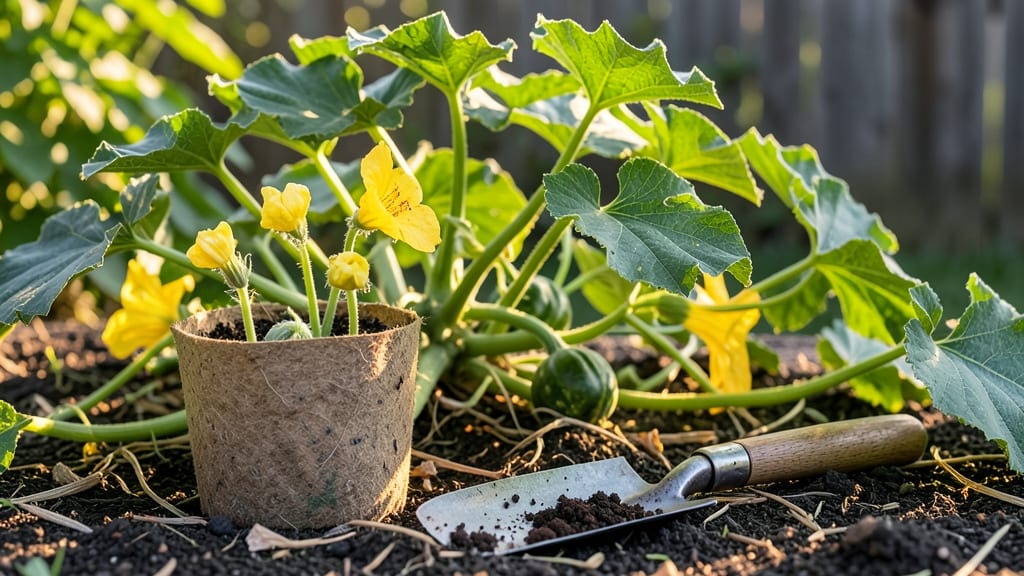
Plant pumpkin seeds in Kentucky once soil temperatures hit 60-70°F and all danger of frost has passed—typically between mid-May and early June for most of the state.
Kentucky’s humid summers and unpredictable spring frosts make timing your pumpkin seed planting a critical factor in avoiding wasted effort—or worse, a failed harvest. Get the wrong schedule, and you’ll either face frost damage or miss peak growing conditions entirely.
For gardeners in USDA Zones 6a-7b, this usually means waiting until after the last average frost date—around April 15 for northern Kentucky but pushing closer to May 1 in southern regions like Bowling Green.
Below, I’ll break down the exact planting windows for your zone, soil prep tips to speed up germination, and how to stretch your growing season with simple tricks like row covers and staggered sowing.
Kentucky’s ideal pumpkin planting windows by hardiness Zone (5-7a)
Timing your pumpkin seed planting in Kentucky hinges on two critical factors: soil temperature and last frost dates. With USDA zones 5-7a, Kentucky’s growing season varies slightly by region—from Louisville’s Zone 6a to Bowling Green’s Zone 7a.
Plant too early, and frost will kill tender seedlings; too late, and your pumpkin vines won’t mature before fall’s first chill. The sweet spot? Soil temps of 60-90°F and after the last frost, typically late April to early June.
For direct sowing, most Kentucky gardeners wait until May 1-15 in northern zones (5-6a) and April 20-May 1 in southern zones (7a). If you prefer transplants, start seeds indoors 4-6 weeks before your target outdoor date.
This gives you a head start on the 90-day growth cycle most pumpkin varieties need to reach harvest.
In Zone 6a (like Louisville), where the last frost typically hits April 15-30, wait until May 1 to plant. This gives your pumpkin seeds time to germinate in 60-70°F soil before summer’s heat arrives.
For Zone 7a (Bowling Green), you can start as early as April 1, but monitor soil temps—cold soil delays germination. Use a soil thermometer to confirm readiness; seeds won’t sprout below 60°F.
If you’re transplanting, begin seeds indoors 4-6 weeks before your region’s last frost. Use biodegradable pots to avoid root disturbance when moving outdoors. Harden off seedlings by placing them outside for 2-3 hours daily the week before transplanting. Choose overcast days to reduce stress from direct sun.
For direct sowing, plant 1 inch deep in hills spaced 4-6 feet apart—pumpkin vines spread 10-20 feet! Mix compost into the soil to improve drainage, as pumpkins hate soggy roots.
After planting, mulch with straw or leaves to retain moisture and suppress weeds. Water deeply 1-2 inches per week, focusing on the root zone to encourage strong vine growth.
Kentucky’s humidity and heat can stress pumpkin plants, so stagger plantings every 2 weeks for a prolonged harvest. This works especially well for smaller varieties like ‘Jack Be Little,’ which mature in 75-85 days.
Larger varieties (e.g., ‘Howden’) need the full 90-120 days, so plant them first. Always prioritize full-sun locations—pumpkins need 6-8+ hours of sunlight daily to thrive.
Watch for late spring frosts, which can still occur in May. If frost is forecasted, cover young plants with frost blankets or row covers. Remove covers by 10 AM to prevent overheating.
In Zone 5 areas (far northern Kentucky), consider using a greenhouse or cold frame to extend the season. This lets you plant 2-3 weeks earlier than outdoor conditions allow.
Harvest your Kentucky pumpkins before the first frost, typically September-October. Look for hard rinds that can’t be pierced with a fingernail and deep color. Cure pumpkins by placing them in a sunny, dry spot
How to adjust pumpkin planting for Kentucky’s unpredictable weather patterns
Kentucky’s weather can throw curveballs—late spring frosts, sudden heatwaves, and sticky humidity all threaten your pumpkin patch. The key to success? Flexibility. While the ideal window is late April to early June, you’ll need backup strategies to protect your plants from Mother Nature’s whims.
I’ve grown pumpkins in Kentucky for years, and these adjustments have saved my harvests time and time again.
Start by monitoring soil temperatures—pumpkin seeds need at least 70°F to germinate. If your soil stays cool, use black plastic mulch or straw bales to warm it faster. This simple trick can shave weeks off your planting timeline, giving your vines a head start before summer’s humidity kicks in.
Don’t wait for perfect conditions; act when the soil hits the right temp, even if frost warnings linger.
Heatwaves are another Kentucky challenge. When temps soar above 90°F, pumpkin vines slow down or even stop growing. To combat this, mulch heavily with straw to keep roots cool and water deeply in the morning to reduce evaporation.
I’ve seen vines revive within days after a good soaking during heatwaves—don’t let wilting fool you into thinking they’re done for.
Humidity brings its own set of problems, primarily fungal diseases like powdery mildew. Space your plants 4-6 feet apart to improve airflow, and apply neem oil preventatively every 2 weeks once vines start running.
If you notice white powder on leaves, act fast—prune affected foliage immediately and spray with a baking soda solution (1 tsp baking soda + 1 quart water + a drop of dish soap).
For a foolproof backup, keep 3-5 extra seeds indoors under grow lights until the first planting window passes. If your outdoor seeds fail due to frost or pests, you’ll have a second chance.
I’ve used this method in Zone 6a when late May frosts struck—those indoor starts caught up beautifully by summer.
Finally, watch the 7-day forecast before planting. If a cold snap is predicted, delay by 10-14 days even if your soil is warm. Pumpkin seeds won’t germinate in cold soil, and young seedlings can’t recover from frost damage.
When in doubt, wait—your pumpkins will thank you with bigger, healthier fruits by harvest time. 🎃