
Plants
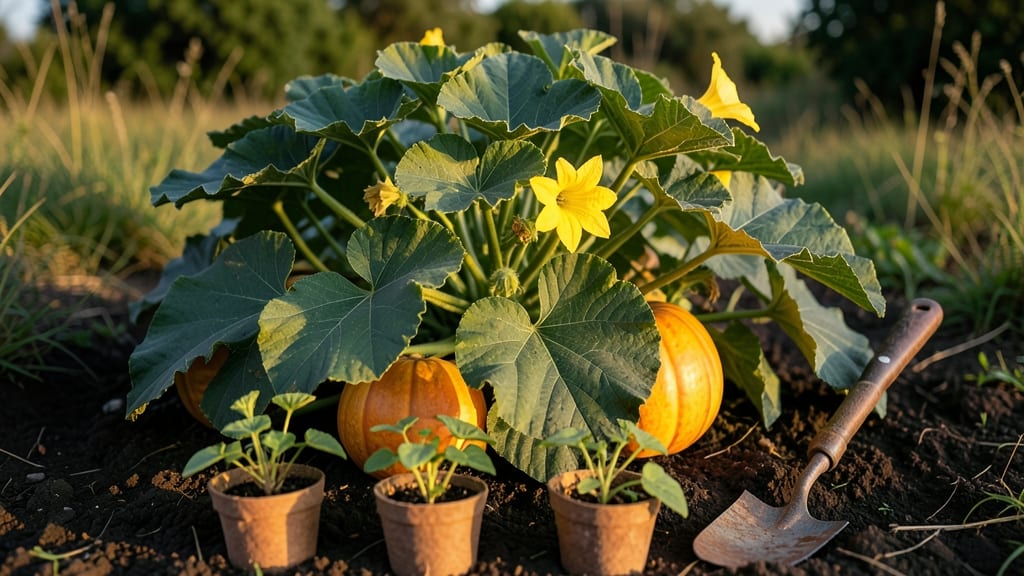
Planting pumpkins in Northern California depends on soil temperatures hitting 70°F or warmer, which can vary wildly from the Bay Area’s coastal chill to the Central Valley’s early heat.
Northern California’s unpredictable microclimates can make pumpkin planting a guessing game—but timing it right ensures healthy vines, abundant blooms, and harvests fit for carving or pies. The secret? Soil temperature triggers that align with your region’s frost dates and summer heat.
If you’ve ever watched your pumpkin seeds sprout only to wither under a late frost or bolt in the heat, you know how critical the timing is. Coastal areas like San Francisco may need to wait until May, while inland zones like Sacramento can start as early as mid-March.
Below, I break down the exact planting windows by microclimate, soil temperature benchmarks, and pro tips to maximize your 🎃 harvest—no more wasted seeds or shriveled vines.
Northern California pumpkin planting calendar by microclimate
Northern California’s diverse microclimates create unique challenges for pumpkin growers. The San Francisco Bay Area enjoys milder coastal summers, while the Central Valley bakes under intense heat, and the foothills experience warmer days with cooler nights.
To succeed, align your planting with soil temperatures (minimum 55°F for germination) and frost-free dates—each region has its own rhythm.
Coastal areas like San Francisco and Santa Rosa have later frost dates (April 15–May 1), allowing earlier plantings. Meanwhile, inland Sacramento and Stockton can plant as early as March 15, but risk heat stress if seeds sprout too soon.
Foothill regions like Napa and Sonoma fall somewhere in between, with frost-free dates around April 1–15.
Soil temperature is your best friend—pumpkin seeds need 70°F+ soil to germinate reliably. Use a soil thermometer to check warmth before planting. Coastal soils warm slower due to ocean breezes, while Central Valley soils heat up faster, sometimes requiring shade cloth for young seedlings.
Here’s how to match your planting window to your microclimate, ensuring your pumpkins thrive from vine to harvest:
For coastal growers, prioritize early-maturing varieties (85–95 days) to avoid fall fog and early frosts. Plant ‘Jack Be Little’ by May 1 to ensure harvests before October chills. Use black plastic mulch to warm soil faster in cooler microclimates like Point Reyes.
The Central Valley’s heat demands shade cloth for young seedlings to prevent bolting. Start seeds indoors 4–6 weeks before your target planting date (e.g., mid-February for March plantings). ‘Howden’ thrives here—its thick skin resists cracking in 100°F+ temperatures. Water deeply at soil level to avoid fungal issues.
Foothill gardeners benefit from warmer nights but should watch for early morning frosts in September. Plant ‘Autumn Gold’ by late May to harvest before the first frost. Elevate beds with compost-rich soil to improve drainage in clay-heavy areas like Sonoma Valley.
Pro tip: Adjust planting dates by 2 weeks if your area experiences unusual weather. For example, if a late frost hits Sacramento in April, delay planting until soil warms to 70°F. Use a row cover for extra protection if needed.
Remember, pumpkins need 100+ frost-free days to mature. Coastal areas often hit this mark by mid-June, while inland regions can start earlier. Plan accordingly to avoid disappointed vines!
🎃
Soil temperature triggers for pumpkin germination: what to monitor
Pumpkin seeds need consistent warmth to germinate, and Northern California’s variable soil temperatures can delay or ruin your harvest. Unlike air temperature, soil warmth tells the real story—seeds won’t sprout until the ground reaches 70°F (21°C) at a depth of 2 inches.
Coastal areas like San Francisco Bay may hit this mark in May or June, while inland Sacramento Valley soils can warm up as early as April. Monitoring soil temperature ensures your seeds don’t rot in cold, damp earth.
Start by testing your soil’s warmth daily for 3–5 days using a soil thermometer (available for under $10). Insert it 2 inches deep—this mimics where seeds will sit. If temperatures dip below 60°F (15°C) at night, germination slows or stops.
In rocky or sandy soils, warmth fluctuates wildly, so check multiple spots in your garden bed. Pro tip: Black plastic mulch can add 5–10°F to soil temperature, speeding up germination by 1–2 weeks.
- 1. Test soil at 2-inch depth with a thermometer for 3 consecutive days.
- 2. Aim for 70°F+ (21°C+) during the day; 60°F+ (15°C+) at night.
- 3. Adjust planting dates if temps drop below 65°F (18°C)—wait 1–2 weeks.
- 4. Use black plastic mulch to warm soil 5–10°F faster in cool zones.
- 5. Plant early varieties (e.g., ‘Jack Be Little’) first if soil is borderline warm.
Northern California’s degree-day models (a tool gardeners use to predict growth stages) show that pumpkin seeds need 200–300 degree-days above 50°F (10°C) to germinate. For example, if your soil sits at 60°F (15°C) for 10 days, that’s 100 degree-days—halfway to germination.
Use free online calculators (like the University of California’s Degree-Day Tool) to input your local weather data and get a personalized planting window. In coastal fog belts, degree-days accumulate 30–50% slower than inland areas, so plant 2–3 weeks later.
Cold snaps can derail your pumpkin plans, especially if seeds are already in the ground. If a 50°F (10°C) night is forecasted after planting, cover seedlings with row covers or cloches to retain heat.
For rocky or slow-warming soils (common in foothill regions like Napa Valley), mix in compost or aged manure to improve heat retention.
If your soil stays below 65°F (18°C) for more than a week, switch to fast-germinating varieties like ‘Small Sugar’ or ‘Waltham Butternut’, which tolerate cooler soils better than giant varieties like ‘Atlantic Giant’.
Adjust your planting dates based on soil temperature trends, not just calendar dates. If your 5-day average hovers around 68°F (20°C), plant early varieties (e.g., ‘Cinderella’) first—they mature in 85–90 days and can handle slight temperature dips.
For late-summer varieties (e.g., ‘Howden’), wait until soil hits 75°F (24°C) consistently, even if it means planting in late June or early July. In USDA Zone 8a (e.g., Sacramento), this might mean a July 4th planting for a Halloween-ready harvest.
Don’t let unpredictable soil warmth sabotage your pumpkin patch. By monitoring soil temperature, adjusting for your microclimate, and choosing the right varieties, you’ll beat Northern California’s cool, slow-starting springs and unreliable summers. Start testing now—your future jack-o’-lantern might depend on it! 🎃