
Plants
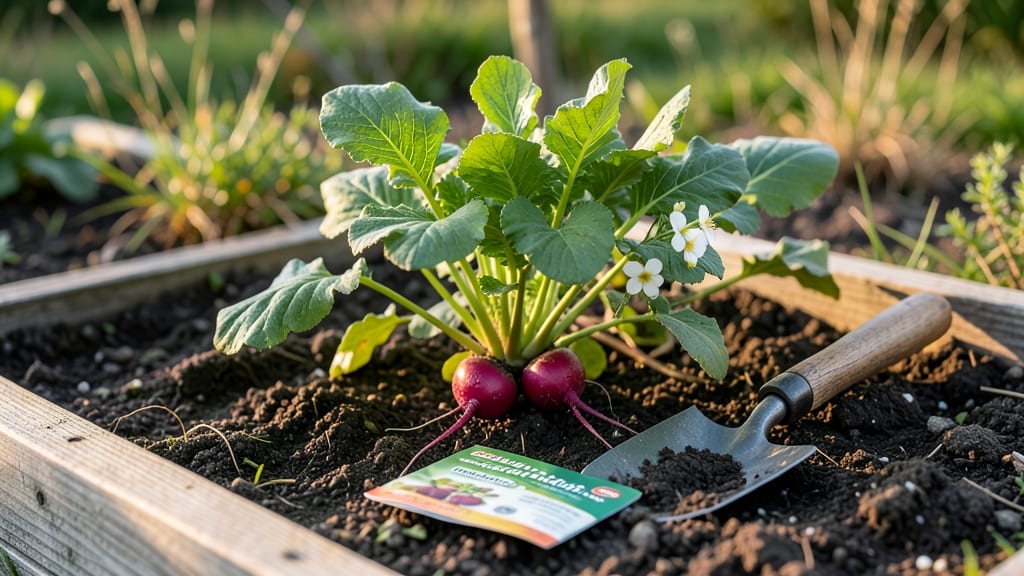
Planting radishes in Virginia at the right time ensures a fast, crisp harvest before they bolt or turn woody.
Picture this: you’re biting into a radish you grew yourself, sweet and tender, in just 3-4 weeks. That’s the magic of timing—plant too early, and frost will ruin your crop; too late, and the heat sends them shooting up to seed.
In Virginia’s USDA Zone 7a, getting those windows right means the difference between a bumper crop and a bitter disappointment.
Spring is your best bet, starting as early as February (once soil temps hit 50°F) to beat the heat, while fall plantings in August-September stretch your harvest into crisp October days.
The key? Soil prep, shade cloth for summer starts, and choosing varieties like ‘Cherry Belle’ or ‘French Breakfast’ that thrive in Virginia’s short seasons.
Below, I’ll break down the exact frost dates, soil tricks, and variety picks to turn your garden into a radish powerhouse—no guesswork, just reliable harvests every time.
Optimal planting windows for radishes in Virginia’s Zone 7b climate
Virginia’s Zone 7b climate offers two prime windows for growing radishes, but timing varies dramatically between the Piedmont region and the Coastal Plain. In the Piedmont, where last frost dates average March 15, you’ll want to start seeds indoors or outdoors 4-6 weeks before that date.
Meanwhile, in the Coastal Plain, where frost lingers until March 25, you’ll need to adjust your schedule accordingly to avoid bolting or stunted growth.
Radishes thrive in cool soil temperatures between 45°F and 75°F. Planting too early in cold soil can delay germination, while waiting too long risks heat stress.
The key is to align your planting with Virginia’s frost-free periods—typically 165 days from last frost to first frost—while avoiding the dog days of summer when temperatures climb above 80°F.
Regional frost dates also play a critical role. The Piedmont’s last frost often arrives by March 15, while the Coastal Plain may see frost as late as March 25. For fall planting, aim to sow seeds 60-70 days before the first frost, which typically hits the Piedmont by November 15 and the Coastal Plain by November 10. These microclimate differences mean your neighbor’s perfect timing might not work for you!
| Planting Window | Ideal Months | Soil Temp | Sunlight Needs | Harvest Window |
|---|---|---|---|---|
| Early Spring | February - March | 45°F - 65°F | Full Sun (6+ hrs) | April - May |
| Late Summer/Fall | August - September | 55°F - 75°F | Full Sun (6+ hrs) | October - November |
| Piedmont Region | March 1 - April 15 | 50°F - 70°F | Full Sun | April - June |
| Coastal Plain | March 15 - April 30 | 55°F - 75°F | Full Sun | May - July |
For spring planting, start seeds indoors 4-6 weeks before your last frost date or sow directly outdoors once soil temperatures reach 45°F. In the Piedmont, this typically means late February to early March, while the Coastal Plain’s slightly later frost dates push ideal planting to mid-March.
Use row covers if nighttime temperatures dip below 40°F to protect young seedlings.
Fall planting offers a second chance for radishes, but you’ll need to act fast. Sow seeds 60-70 days before the first frost—usually late August to early September in the Piedmont and mid-August to mid-September in the Coastal Plain.
Choose slow-bolting varieties like ‘French Breakfast’ or ‘Cherry Belle’ to extend your harvest window into October or November.
Soil preparation is just as critical as timing. Radishes prefer well-draining, loose soil with a pH between 6.0 and 7.0. Work in 2-3 inches of compost before planting to improve texture and fertility.
Avoid fresh manure, which can cause nitrogen burn and lead to woody, bitter roots. Test your soil in early spring to ensure it’s ready for planting.
In Virginia’s humid climate, mulching with straw or shredded leaves helps retain moisture and suppress weeds. Keep the soil consistently moist but never waterlogged—radishes are drought-sensitive and will crack or become pithy if stressed.
Water deeply in the morning to allow foliage to dry before evening, reducing the risk of fungal diseases like powdery mildew.
Don’t overlook succession planting to maximize your harvest. In spring, sow new seeds every 2-3 weeks until mid-April to enjoy a continuous supply. For fall, repeat the process every 2 weeks from late July to early September.
This strategy ensures you’re always harvesting fresh radishes while avoiding the heat-induced bolting that plagues late-summer plantings.
Pro tip: If you’re in a warmer microclimate like the Tidewater region, consider planting heat-tolerant varieties like ‘Rough Black Spanish’ in early fall. These varieties handle slightly higher temperatures better than traditional types, giving you a longer harvest window before frost arrives.
With these Virginia-specific planting windows and soil strategies, you’ll be enjoying crisp, sweet radishes in just 3-4 weeks—no bitter surprises here! 🥕
How to extend your radish harvest season in Virginia’s short growing period
Virginia’s short growing season can make radish cultivation challenging, but with the right strategies, you can enjoy crisp roots from early spring to late fall. The key lies in succession planting, selecting cold-hardy varieties, and using protective measures to prevent bolting or pest damage.
Even in USDA Zone 7b, you can stretch your harvest by up to 6 months with these techniques.
One of the biggest mistakes gardeners make is planting all their radishes at once. Instead, I recommend staggered plantings every 2 weeks from February through September. This ensures a continuous supply of fresh radishes without overcrowding.
For example, start your first batch in late February and follow up with new seeds every 14 days until early September.
Planting Timing Pros & Cons
- ✅ Cooler temps prevent bolting
- ✅ Faster germination in moist soil
- ✅ Harvest by May before heat stress
- ✅ Longer daylight supports growth
- ✅ Harvest before frost (Nov 15)
- ✅ Pest pressure is lower than summer
- ❌ Slow germination in cold soil
- ❌ Limited sunlight in early months
- ❌ Bolting risk if planted too late
- ❌ Shorter harvest window before frost
For cold-hardy varieties, I recommend 'Winter Blooms' or 'French Breakfast'—both tolerate light frosts and grow well in Virginia’s cool spring/fall. On the other hand, 'Cherry Belle' is a fast-maturing variety (25 days) but bolts quickly in heat.
Always check seed packets for days to maturity and choose types that match your planting window.
Protective measures like row covers or mulch can extend your season by 2-3 weeks. Use floating row covers in early spring or late fall to shield plants from cold snaps or pests.
A 2-inch layer of straw mulch also helps retain soil moisture and regulate temperature. I’ve found that black plastic mulch warms the soil faster in spring, giving seedlings a head start.
Pest control is another critical factor. Radish maggots and cabbage worms are common in Virginia. To deter them, I plant radishes near onions or garlic, which repel pests naturally.
If infestations occur, handpick larvae or apply neem oil as a preventive spray. Always harvest radishes promptly—they bolt faster when overcrowded or stressed.
With these strategies, I’ve successfully grown radishes from March through November in my Virginia garden. The secret is planning ahead, choosing the right varieties, and protecting your plants from environmental stressors. Start small with one test batch each season to refine your timing and techniques.