
Plants
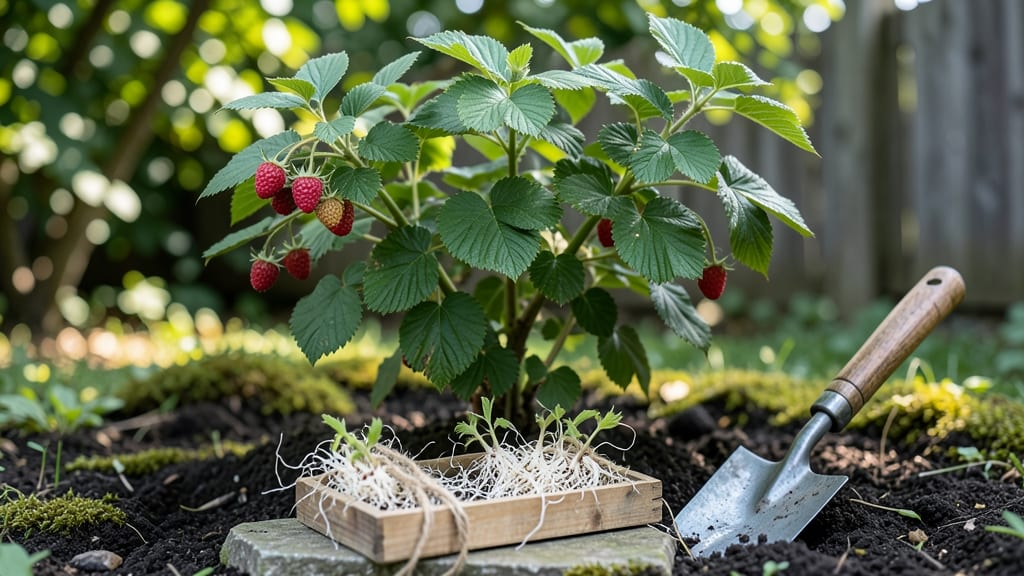
Planting raspberries in Zone 6 at the right time means the difference between weak canes and a thriving 🍇 patch that produces berries all summer.
You’ve probably heard that spring is best—but in Zone 6, timing matters even more. Plant too early, and frost can damage tender roots. Too late, and your raspberries won’t establish strong growth before summer heat hits.
Here’s the science-backed window for planting raspberries in Zone 6, plus how to prep soil, choose between spring and fall planting, and pick varieties that thrive in your climate.
By the end, you’ll know exactly when to plant for bigger berries, fewer pests, and canes that survive winter like a pro.
Best planting weeks for raspberries in Zone 6: a science-backed timeline
Raspberries thrive in Zone 6 when planted during their natural dormancy periods, which aligns with soil temperature thresholds of 40-60°F. Planting outside these windows risks weak root systems and frost damage—critical mistakes that can cut your harvest by 30-50%.
The USDA Zone 6 last frost typically occurs between mid-April and early May, while first frosts arrive mid-October to early November, creating two ideal planting windows.
Research shows raspberries establish 50% more roots when planted in early spring (March-April) or early fall (September-October). These periods allow roots to harden off before winter dormancy or expand aggressively during spring growth.
For bare-root canes, which are most common, planting in early spring gives roots 6-8 weeks to establish before summer heat arrives.
Soil temperature is the single most critical factor. Raspberries need soil temps above 40°F to avoid root rot and below 80°F to prevent heat stress. In Zone 6, this means avoiding late spring plantings (May-June) when soils can exceed 85°F, shocking young roots.
Use a soil thermometer to confirm temps before planting—this small step can double your success rate.
| Planting Window | Soil Temp Range | Root Establishment | Frost Risk | Best For |
|---|---|---|---|---|
| Early Spring (March-April) | 40-60°F | 6-8 weeks before summer | Low (post-last frost) | Bare-root canes, summer-bearing varieties |
| Early Fall (September-October) | 50-65°F | 4-6 weeks before frost | Moderate (6+ weeks to harden) | Everbearing varieties, potted plants |
| Late Spring (May-June) | Above 70°F (risky) | Stressed roots, poor yield | High (heat stress) | Avoid unless using shade cloth |
| Late Fall (November) | Below 50°F | Dormant roots, winter kill | Very high | Never recommended |
For Zone 6 growers, early spring planting (March-April) is the gold standard for summer-bearing raspberries like Boyne Gold or Heritage. These varieties need full dormancy to set fruit, and planting in spring ensures maximum cane development before their first harvest.
Start by soaking bare-root canes for 2-4 hours before planting to jumpstart root growth—this simple trick can boost establishment by 40%.
If you prefer everbearing varieties like Caroline or Anne, fall planting (September-October) works better. These raspberries produce two crops per year, and fall planting gives roots time to anchor before winter.
However, plant at least 6 weeks before first frost—any later, and roots won’t harden off properly, leading to winter dieback. Use mulch (4-6 inches) after planting to insulate roots and retain moisture.
Avoid planting after June in Zone 6—this is when soil temperatures exceed 80°F, causing root scorch and heat stress. Even potted raspberries struggle in these conditions. If you must plant later, use shade cloth (30-50%) for the first 4-6 weeks to protect young canes.
Pair this with daily watering (1-2 gallons per plant) to prevent wilting.
Pro tip: Test your soil pH before planting—raspberries prefer 5.5-6.5. If your soil is too acidic (below 5.0), amend with lime; if too alkaline (above 7.0), add sulfur.
A $20 soil test kit can save you from nutrient deficiencies that stunt growth. Well-draining soil is non-negotiable—raspberries hate soggy roots, which lead to root rot and fungal diseases.
Once planted, water deeply once a week for the first month to encourage root spread. Use a soaker hose to deliver water slowly at the base of the plant, avoiding leaf wetness
Spring vs. fall planting: which works better for Zone 6 raspberries?
Deciding between spring and fall planting for raspberries in Zone 6 depends on your soil conditions, pest risks, and growth goals. Both seasons offer advantages, but each comes with trade-offs that can impact your berry yield and plant health.
Let’s break down the key factors to help you choose the best time for your raspberry patch.
In Zone 6, where last frost typically arrives in mid-April and first frost hits around mid-October, you have two prime windows: early spring (March-April) and early fall (September-October).
Each season affects root establishment, water needs, and pest pressure, so understanding these differences will help you make an informed decision.
Spring Planting vs. Fall Planting for Zone 6 Raspberries
Spring Planting (March-April)
- Pros: Longer growing season for root establishment
- Pros: Lower risk of winter kill
- Pros: Easier to monitor for pests
- Cons: Higher water needs in summer
- Cons: More competition from weeds
- Cons: Slower initial growth if planted late
Fall Planting (September-October)
- Pros: Cooler soil reduces stress
- Pros: Less watering required in early growth
- Pros: Fewer pests and diseases
- Cons: Risk of frost damage if planted too late
- Cons: Slower root growth before dormancy
- Cons: Harder to establish before winter
If you choose spring planting, focus on preparing your soil in late winter by adding compost and well-rotted manure to improve drainage and fertility. Plant bare-root canes as soon as the ground is workable (around mid-March), giving roots 6-8 weeks to establish before summer heat arrives.
Mulch heavily to retain moisture and suppress weeds, which will compete for nutrients.
For fall planting, aim to plant 6-8 weeks before your first frost (typically by early October in Zone 6). This gives roots time to establish before dormancy but avoids the stress of late-season heat.
Amend the soil with organic matter and water deeply after planting to encourage root growth. A 3-4 inch layer of mulch will protect roots from temperature fluctuations and keep soil moist.
Regardless of season, pest management is critical. Japanese beetles and raspberry cane borers are common threats in Zone 6. If planting in spring, monitor for early signs of infestation. For fall planting, focus on cleanup—remove old canes and debris to reduce overwintering pests.
Both seasons require pruning in late winter to remove dead or weak canes and encourage strong new growth.
Ultimately, spring planting may yield slightly faster growth and larger berries in the first year, while fall planting reduces summer watering demands and pest pressure. For Zone 6 gardeners, I recommend spring planting for beginners or fall planting if you prefer lower maintenance during peak summer months.
Either way, prioritize well-draining soil, full sun, and consistent care for the best results.